
International
Sánchez Loses Key Housing Vote After Eviction of 87-Year-Old Woman


Spanish Prime Minister Pedro Sánchez’s government suffered a major parliamentary setback on Friday after lawmakers rejected two emergency measures designed to address the country’s worsening housing crisis.
The vote came days after the eviction of 87-year-old María del Carmen Abascal from the Madrid home where she had lived for about 70 years triggered nationwide protests and a growing campaign for stronger protections for tenants.

The first decree was rejected in the 350-seat Congress after 178 lawmakers voted against it. The second measure was also defeated, with Sánchez’s government unable to secure enough support from smaller parties needed to pass the legislation.
The proposed measures included protections against the eviction of vulnerable tenants, tighter restrictions on short-term rentals and measures intended to discourage property speculation. Another proposal would have allowed residential leases to automatically renew when they reached their expiration date, subject to conditions.
Sánchez made a final appeal to lawmakers before the vote, arguing that the measures were necessary to respond to Spain’s housing difficulties and protect people struggling with rising rents.
His government failed to secure the backing of Junts, the Catalan pro-independence party whose parliamentary support has been important to Sánchez’s minority government. Junts argued that the proposed regulations could encourage property owners to withdraw homes from the rental market and potentially worsen the shortage.
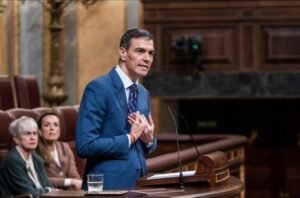
The conservative Popular Party and Vox also opposed the measures. The Popular Party has argued that increasing housing supply through construction, rather than additional regulation, is the way to address the shortage.
The parliamentary defeat came amid demonstrations outside Congress. Protesters have demanded stronger protections for renters and continued to maintain a protest camp at Madrid’s Puerta del Sol, following the eviction that brought renewed national attention to the housing crisis.

Abascal, widely known as Maricarmen, was removed from her Madrid apartment on September 23 after a dispute over her rent-controlled tenancy. She had lived in the property for seven decades.
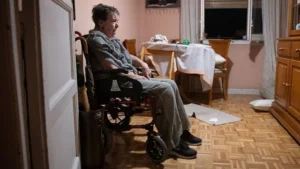
According to AP, her rent had been raised from about €500 to €2,650 a month after the property was acquired by a real estate and investment company. Her pension was reported at about €1,350 a month. The eviction was carried out after several previous attempts were unsuccessful.
The images of Abascal being removed from the property on a stretcher generated widespread public attention. Her case became a focal point for campaigners who say Spain needs stronger tenant protections and more affordable housing.

The company involved in the eviction later reached a preliminary agreement that would allow Abascal to return to the apartment. Her lawyer said she was pleased by the development, although she remained in hospital after the eviction.
The wider housing problem extends beyond Abascal’s case. According to figures cited by AP from Idealista, the average rental price per square metre in Spain increased from €8.20 in 2016 to €15.10 in 2026, meaning average rents have risen substantially over the past decade.

The defeat has also generated speculation about Spain’s political timetable. Sánchez’s government is scheduled to face a general election in 2027, but Spanish media have raised the possibility of an earlier election following the parliamentary setback. The prime minister’s office had not confirmed such a decision as of the latest reports.
Meanwhile, tenant organisations have said protests will continue, with demonstrations planned in Madrid and other Spanish cities. The housing dispute has therefore moved beyond Parliament, with campaigners continuing to demand action over rents, evictions and the availability of affordable homes.
For Sánchez’s minority government, the failed votes leave the immediate housing measures rejected and create another challenge in securing parliamentary support for future legislation.