
International
Trump Approves Firing Squad Execution for Fort Hood Shooter Nidal Hasan

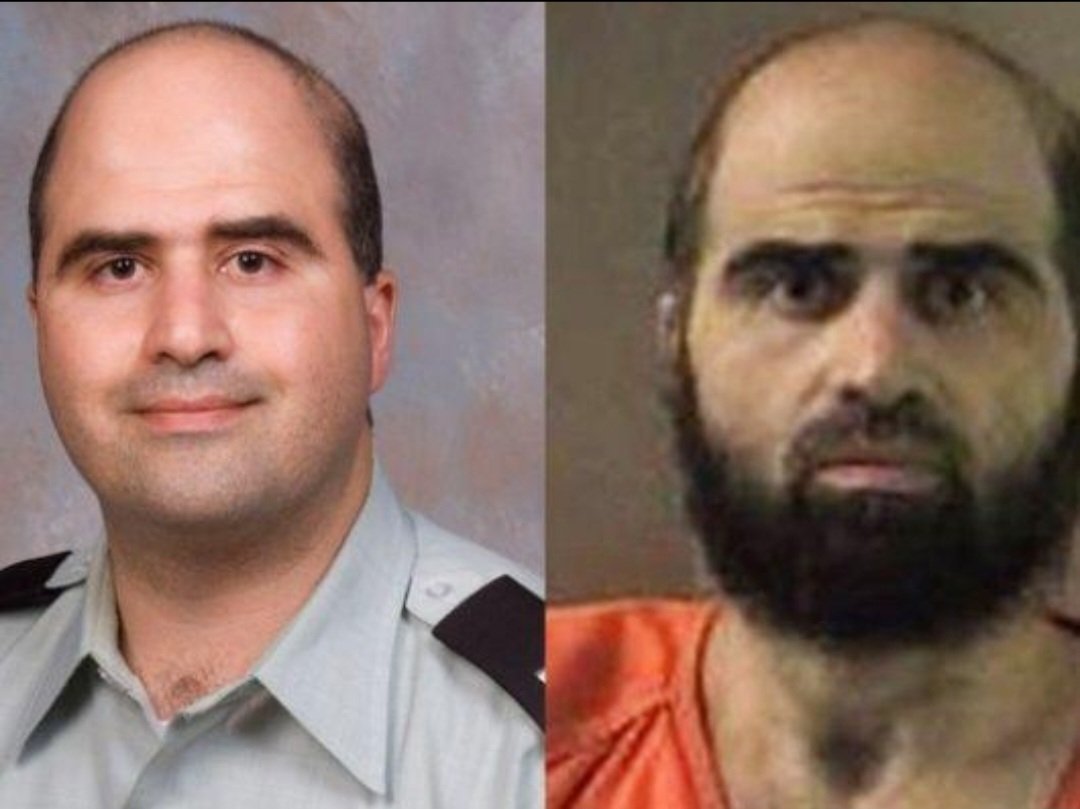
US President Donald Trump has approved the execution by firing squad of former Army Major Nidal Malik Hasan, who was sentenced to death for the 2009 mass shooting at Fort Hood, Texas.
The Pentagon announced the decision on Monday, saying Defense Secretary Pete Hegseth had recommended execution by an Army firing squad and Trump had approved the recommendation. The Secretary of the Army will determine the time and location of the execution.
Hasan, an Army psychiatrist at the time of the attack, opened fire on November 5, 2009, at the Soldier Readiness Processing Center at Fort Hood, where troops were preparing for deployment. The attack killed 13 people and wounded 32 others.
A military jury convicted Hasan in 2013 on 13 counts of premeditated murder and 32 counts of attempted premeditated murder before sentencing him to death. The U.S. Army records that the death sentence followed a court-martial in which the panel unanimously found him guilty of the murder and attempted-murder charges.
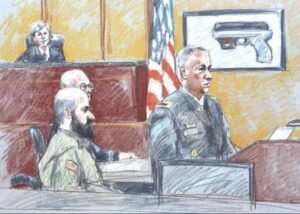
Hasan did not dispute that he was responsible for the shooting during his trial. He said he had acted to prevent American soldiers from going to Afghanistan and killing fellow Muslims. He was shot by police during the attack and left partially paralysed.
Trump’s approval is a significant development because executions under the U.S. military justice system are extremely rare. The last U.S. service member executed by the military was Army Private John Bennett, who was hanged at Fort Leavenworth, Kansas, in 1961.
If Hasan’s execution is carried out, it would therefore be the first U.S. military execution in more than six decades. It would also be an unusual use of a firing squad in the American military justice system.
The Trump administration has recently expanded the execution methods available for certain federal capital cases to include firing squads, electrocution and gas asphyxiation, alongside lethal injection. The change has come amid continuing difficulties surrounding the availability and administration of lethal-injection drugs.

The Pentagon has not announced when Hasan will be executed. Although Trump’s approval begins the process for carrying out the military death sentence, Hasan can continue to challenge the execution through the federal civilian court system, potentially delaying it for years.
Hasan is currently among four prisoners on the U.S. military’s death row at the disciplinary barracks in Fort Leavenworth. The military’s death-penalty process automatically includes appellate review after a death sentence.
The decision comes days after a failed lethal-injection attempt in Tennessee left death-row inmate Christa Pike alive and unconscious in hospital, prompting Tennessee Governor Bill Lee to suspend executions in the state for the remainder of 2026 and order an independent review. The two developments have renewed attention to execution methods in the United States.