
International
No Clear Winner in Israeli Election as Rival Blocs Fall Short of Majority

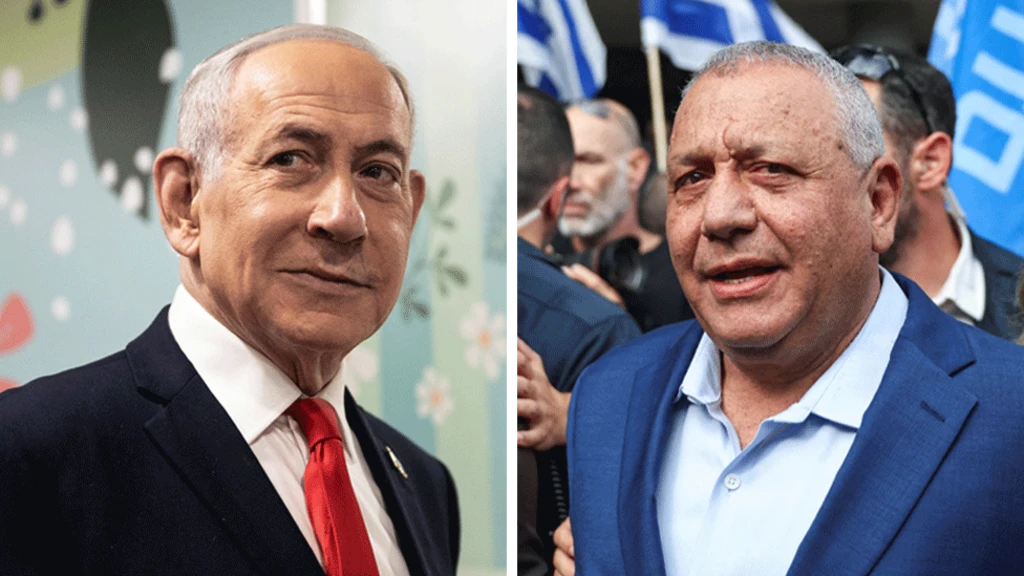
Israel’s parliamentary election has ended without a clear winner, with exit polls placing Prime Minister Benjamin Netanyahu’s governing bloc and the opposition alliance led by former military chief Gadi Eisenkot almost level, setting the stage for potentially weeks of negotiations over the country’s next government.
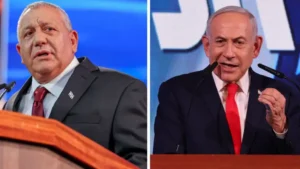
Exit polls released after voting ended on Tuesday, October 27, showed neither side securing the 61 seats needed for a majority in the 120-member Knesset. Estimates differed among Israel’s major television networks, with some projecting a tie between the rival blocs and others giving Eisenkot’s opposition a narrow lead.
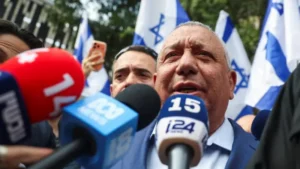
Reuters reported that exit polls by Kan 11 and Channel 13 projected 51 seats each for the two blocs, while Channel 12 gave Netanyahu’s Likud-led alliance a narrow advantage of 52 seats to 49. The projections remained subject to revision as election officials counted the votes.
Eisenkot, a former chief of staff of the Israel Defense Forces and leader of the Yashar party, said the preliminary figures indicated a lack of public confidence in Netanyahu’s leadership. He pledged to move quickly to form a government, describing the outcome as a call for political change.
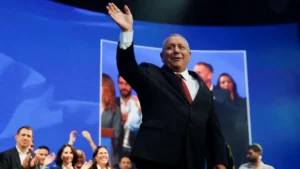
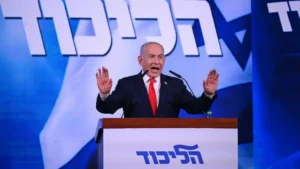
Netanyahu, Israel’s longest-serving prime minister, called for a strong right-wing government and urged parties sharing his political outlook to unite. He did not claim victory, as the exit polls left his coalition short of a parliamentary majority.
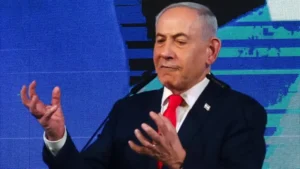
The election was the first national vote since the Hamas-led attack on Israel on October 7, 2023, which triggered the war in Gaza and wider regional conflicts involving Lebanon and Iran. The vote was widely viewed as a test of Netanyahu’s leadership following years of security crises, domestic political divisions and international criticism of Israel’s military campaign in Gaza.
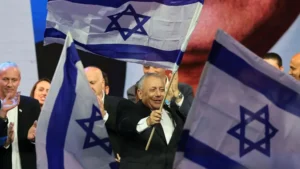
Turnout was reported at nearly 78 per cent, the highest level since 1999, according to preliminary figures cited by international media. Arab-led parties also made significant gains, with exit polls projecting a combined total of approximately 17 to 18 seats.

Their support could prove important in determining who forms the next government. However, both major political camps have faced difficulties over cooperation with Arab-led parties, potentially complicating efforts to assemble a stable parliamentary majority.
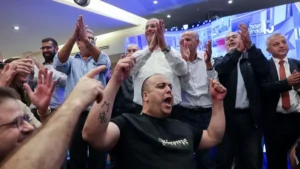
Under Israel’s political system, voters elect parties to the Knesset rather than directly choosing the prime minister. After official results are established, President Isaac Herzog is expected to consult party leaders and invite the politician considered most likely to form a government to begin coalition negotiations.
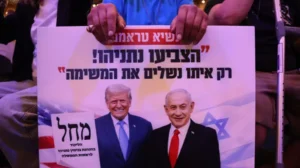
If neither Netanyahu nor Eisenkot can secure sufficient support, the country could face prolonged political uncertainty or another election. Netanyahu would remain caretaker prime minister while the process continues.

With the official count still under way, the exit polls offer an early indication of the political balance but do not determine who will lead Israel’s next government.