
International
Netanyahu Set to Remain Caretaker PM After Inconclusive Israeli Election

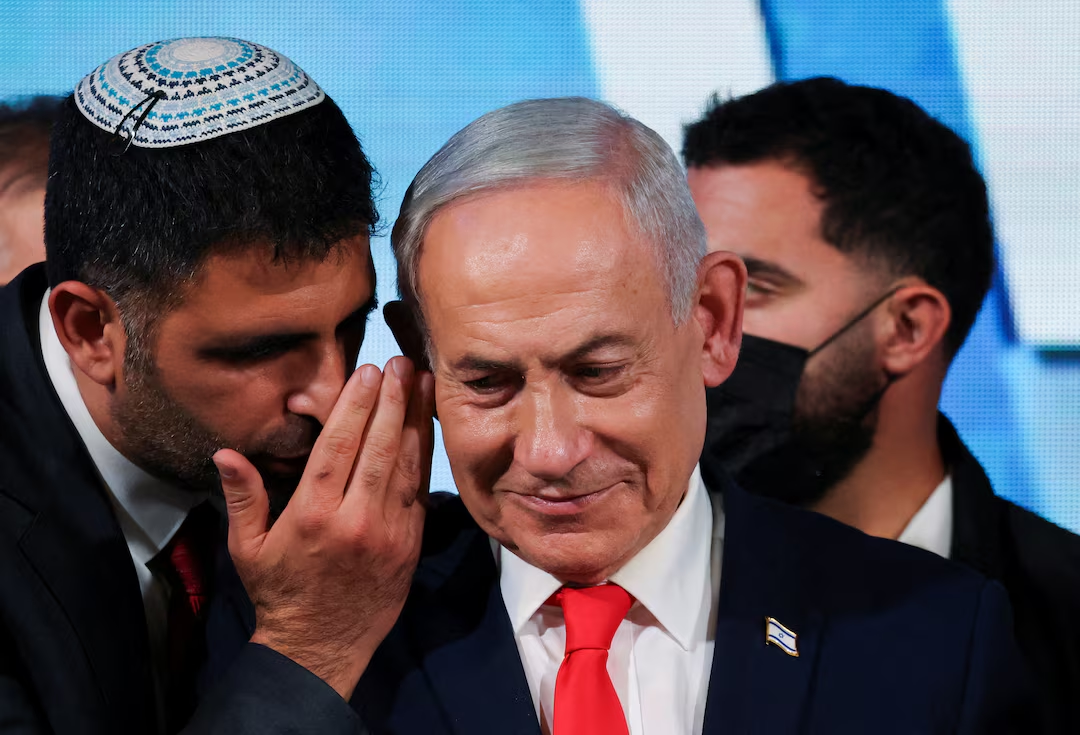
Israeli Prime Minister Benjamin Netanyahu is set to remain in office as caretaker leader after an inconclusive general election left rival political blocs struggling to secure the parliamentary majority required to form a new government.
With nearly 86 per cent of votes counted on Wednesday, October 28, projections by Israel’s major television broadcasters showed Netanyahu’s bloc of right-wing, far-right and ultra-Orthodox parties heading towards 53 seats in the 120-member Knesset, while the opposition bloc led by former military chief Gadi Eisenkot was projected to win 48 seats. Parties representing Arab Israelis were projected to secure 19 seats. Neither of the two main blocs had reached the 61 seats needed for a majority.
The projections marked a setback for Netanyahu’s coalition, which had entered the election seeking to retain power. However, the opposition also faced difficulties assembling enough support to replace him, particularly because cooperation with Arab-led parties remains politically contentious among several major Jewish parties.
Netanyahu, who has served as prime minister for much of the past three decades, called for the formation of a strong right-wing government after the vote. He highlighted Israel’s military record and argued that the country faced an important opportunity to confront Iran alongside its ally, United States President Donald Trump.
Eisenkot, meanwhile, argued that voters had rejected Netanyahu’s continued leadership and urged him to step aside. The opposition leader has also faced the challenge of building a coalition broad enough to command a parliamentary majority, with Arab parties potentially playing a decisive role in negotiations.
The strong projected performance of Arab-led parties could give them considerable influence over the next stage of government formation. However, both Netanyahu’s camp and key opposition figures have expressed reservations about relying on their support, complicating efforts to break the deadlock.
Under Israel’s parliamentary system, the president, Isaac Herzog, is expected to consult political parties before selecting a candidate to attempt to form a government. Coalition negotiations could take weeks, and Netanyahu is expected to continue serving as caretaker prime minister until a new government takes office. If no candidate can form a viable government, another election could eventually be required.
The election was the first since the Hamas-led attacks on Israel on October 7, 2023, and the subsequent wars that reshaped the country’s security and political landscape. Voters also considered Netanyahu’s handling of national security, the ongoing regional conflicts and questions surrounding his leadership.
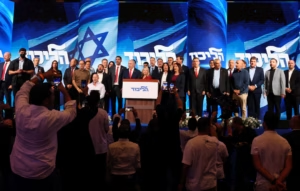
Although the latest projections give Netanyahu’s bloc an advantage over its main rival, the final outcome remains dependent on the completion of the vote count and subsequent coalition negotiations. The election has therefore left Israel facing continued political uncertainty rather than an immediate change of government.