
Featured
When Climate Change and Conflict Collide: Why Pregnant Women and Mothers in Nigeria’s IDP Camps Face a Double Crisis

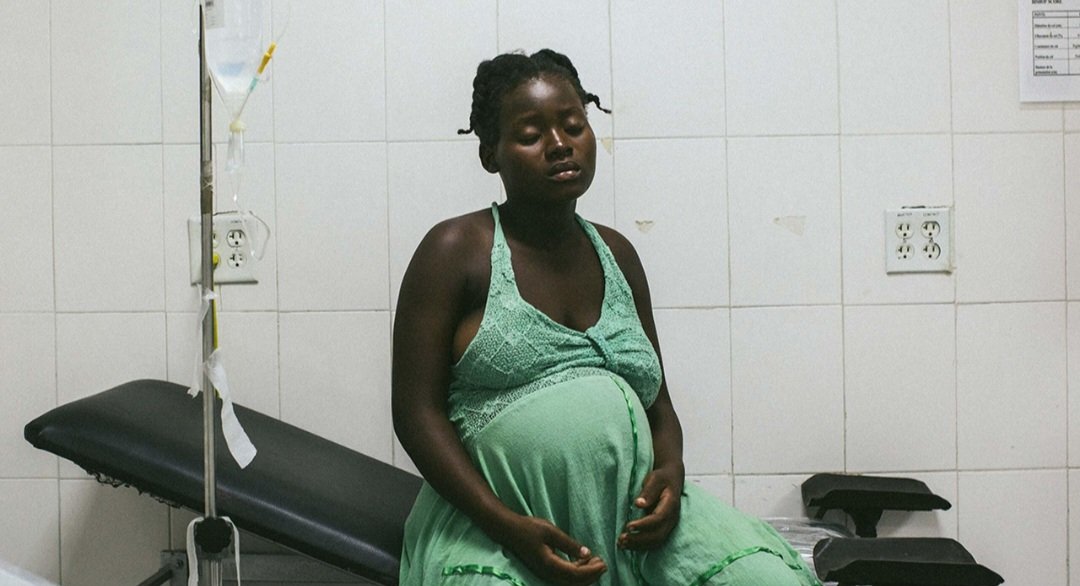
As concerns grow over the developing El Niño phenomenon and rising global temperatures, women displaced by conflict in Nigeria face an additional struggle: protecting their pregnancies, caring for their children and maintaining their dignity in overcrowded settlements with limited access to healthcare, clean water and adequate shelter.
For millions of Nigerians displaced by armed conflict, the struggle to survive does not end when they reach an internally displaced persons (IDP) camp. For women, particularly pregnant women and mothers with young children, displacement often introduces another layer of hardship: the challenge of managing their health and family responsibilities in environments that offer little protection from extreme weather.
As the world watches developments surrounding the El Niño phenomenon, concerns about rising temperatures and their implications for vulnerable populations are becoming increasingly important.
The World Meteorological Organisation has warned of the possibility of an intensifying El Niño event towards the end of 2026. Although its effects vary across regions, El Niño can influence global temperature and rainfall patterns, increasing the risk of unusual heat and weather extremes in some locations.
For women already living with the consequences of conflict and displacement, these environmental pressures could make difficult living conditions even more challenging.
When climate concerns meet displacement
Nigeria’s displacement crisis is concentrated in the North-East, where years of insurgency and armed violence have forced millions from their homes.
The International Organization for Migration’s displacement assessments have documented more than two million internally displaced people in the North-East. Women and girls make up a substantial proportion of this population.
Many displaced families live in camps and informal settlements where access to adequate housing, clean water, sanitation and healthcare remains a concern.
In such environments, extreme heat is more than a question of discomfort. Poor ventilation, overcrowded shelters and limited access to reliable water can make it difficult for residents to regulate their body temperatures and maintain basic hygiene.
For pregnant women, these conditions raise particular concerns because pregnancy places additional demands on the body.
Pregnancy in an environment with little relief from heat
The relationship between extreme heat and maternal health has attracted growing scientific attention.
A Reuters investigation published in October 2026 examined nearly 200 scientific studies on the effects of extreme heat on pregnancy. The research reviewed links between high temperatures and complications including premature birth, stillbirth and pre-eclampsia.
One of the studies cited in the investigation found that the odds of premature birth increased by 26 per cent in the week following a heatwave. Another analysis involving more than eight million births in Mexico found that premature births increased under the highest levels of heat exposure.
These findings do not establish the rate of heat-related pregnancy complications in Nigerian IDP camps. However, they highlight why pregnant women living in poorly ventilated shelters and without reliable access to cooling facilities deserve particular attention.
The challenge is compounded when women cannot easily access antenatal services, skilled birth attendants or emergency obstetric care.
The United Nations Population Fund (UNFPA) has repeatedly highlighted the reproductive health needs of women and girls affected by humanitarian emergencies in Nigeria. Its humanitarian reporting has documented the need for antenatal care, safe delivery services, postnatal support and protection for women living through conflict, displacement and economic hardship.
For a pregnant woman in an overcrowded settlement, the ability to rest, drink sufficient clean water, attend medical appointments and reach a health facility when complications arise can make a significant difference.
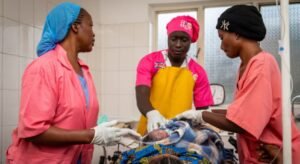
Yet these basic needs are not always easy to meet.
Mothers carrying the responsibility of childcare
The pressure of extreme heat and displacement extends beyond pregnancy.
Mothers living in IDP camps must continue caring for their children in circumstances where the facilities available to them may be inadequate. Keeping children comfortable, preparing meals, maintaining hygiene and finding suitable places for them to rest can become more difficult when shelters are overcrowded and poorly ventilated.
For mothers with infants, breastfeeding and other feeding responsibilities also require suitable conditions, access to clean water and adequate nutrition.
Children are particularly vulnerable to environmental stress, making the availability of safe shelter, drinking water and accessible healthcare essential.
Displacement also places additional pressure on women who have lost homes, livelihoods and family support systems. Some must care for several children while trying to secure food, water and other necessities, often with limited financial resources.
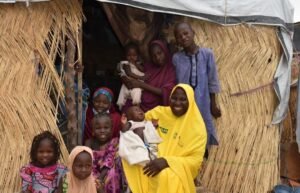
The combination of these responsibilities and harsh living conditions illustrates how climate-related pressures can deepen the existing difficulties faced by displaced families.
The other danger inside displacement camps
Beyond environmental hardship, women and girls in displacement settings also face serious protection concerns.
The breakdown of family and community support systems, poverty, overcrowding and dependence on others for essential supplies can increase vulnerability to exploitation and sexual violence.
A 2025 study examining gender-based violence in selected IDP camps in Maiduguri, Borno State, documented experiences of sexual abuse, including rape and unwanted pregnancies.
The European Union Agency for Asylum’s January 2026 Nigeria Country Focus report also documented protection concerns, including harassment and sexual violence affecting displaced women and girls in parts of the North-East.
The report referenced more than 900 conflict-related gender-based violence cases recorded in the region in 2024. This figure covers the wider North-East and should not be interpreted as the number of rape cases in IDP camps alone.
These findings expose a protection crisis that cannot be separated from the broader conditions in which displaced women live.
When women lack secure accommodation, private sanitation facilities and reliable access to essential supplies, their vulnerability can increase. The absence of effective reporting systems and survivor-centred support can further discourage victims from seeking assistance.
The challenge is therefore not simply to provide temporary shelter but to ensure that displacement settlements are safe places where women and girls can access justice, healthcare and protection.
The difficult question of clothing, privacy and dignity
Extreme heat also raises a less frequently discussed question about women’s clothing, privacy and personal dignity in displacement settings.
In very hot conditions, wearing lighter clothing may be a practical way to remain comfortable. However, the decision is not always straightforward for women living in overcrowded shelters, particularly where cultural and religious expectations influence how they dress.
Some women may prefer clothing that offers greater coverage but find it uncomfortable in poorly ventilated environments. Others may choose lighter outfits to cope with the heat but feel exposed because of inadequate privacy and the presence of unrelated men in shared spaces.
The absence of proper changing areas, private bathing facilities and secure sleeping arrangements can make these challenges more complicated.
This should not be turned into a question of what women wear or whether their clothing makes them vulnerable to harassment. Responsibility for sexual violence rests with perpetrators, not survivors or their clothing.
Rather, the issue highlights the need for humanitarian shelter planning that takes women’s comfort, privacy, cultural preferences and safety into account.
Providing adequate ventilation, private sanitation facilities, secure accommodation and separate spaces where necessary can help protect both health and dignity.
A double crisis that requires a coordinated response
Nigeria’s displacement crisis and the growing risks associated with extreme weather should not be treated as separate humanitarian concerns.
Women living in IDP camps are already dealing with the consequences of conflict, poverty, disrupted healthcare and the loss of familiar support systems. When extreme heat and other climate-related pressures are added to these difficulties, the consequences can become more severe.
Addressing the situation requires more than emergency food distribution and temporary accommodation.
Humanitarian agencies and government authorities need to strengthen maternal healthcare services, ensure access to clean drinking water, improve shelter ventilation and provide facilities that allow women to maintain privacy and personal hygiene.
Pregnant women should have access to regular antenatal care, skilled birth attendants and emergency referral services. Mothers with young children also need adequate nutrition, safe spaces for childcare and access to essential health services.
Protection measures must be strengthened through safe reporting channels, survivor-centred medical and psychosocial support, and effective action against sexual violence.
Climate considerations should also become part of humanitarian planning, particularly when designing shelters and preparing displacement settlements for periods of extreme heat.
Ultimately, the crisis facing women in Nigeria’s IDP camps is not only about surviving conflict or adapting to changing weather conditions. It is about whether they can remain healthy, protect their children and live with dignity despite circumstances beyond their control.
As climate risks receive increasing attention, the experiences of displaced women must not be left out of the conversation. Their needs should be central to both Nigeria’s humanitarian response and its preparations for a changing climate.