
Africa
Ebrima Touray Raises Alarm Over Governance Crisis at University of The Gambia

The University of The Gambia (UTG) is facing growing concerns over its leadership and governance structure, following an escalating dispute between its Governing Council and Vice-Chancellor, Professor Herbert Robinson.
The controversy has raised questions about institutional accountability, the interpretation of the country’s higher education laws and the potential impact of prolonged leadership disagreements on the university’s academic development and reputation.
In an article titled Governance Crisis Threatens Progress, Reputation of the University of The Gambia, published on November 18, 2026, Ebrima Touray argued that the unresolved conflict could seriously undermine confidence in the country’s leading public university if not addressed transparently.
Touray’s intervention comes amid reports that the Governing Council has decided against renewing Robinson’s contract, which is due to expire in January 2027.
According to The Standard and Foroyaa, the council formally communicated its decision in a letter dated November 2, 2026, citing alleged shortcomings in executive leadership, institutional management, financial accountability and governance.
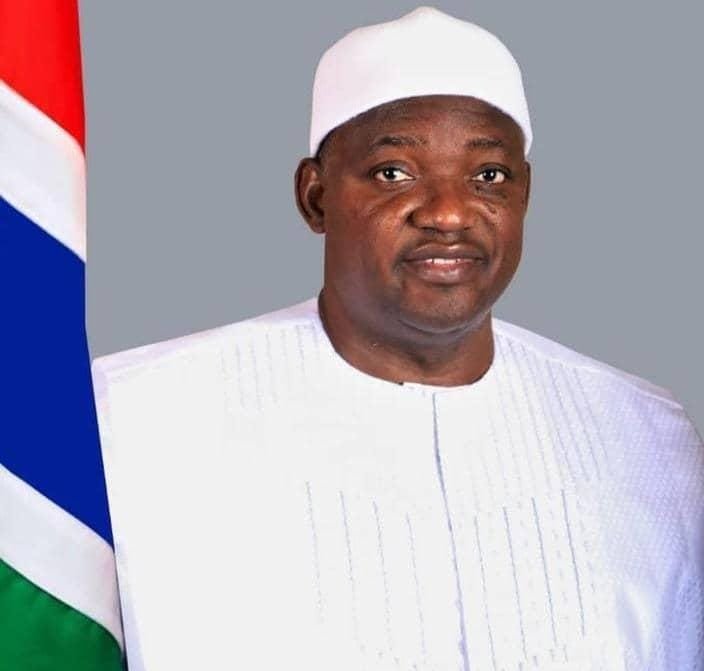
However, Touray questioned the council’s authority to make the decision, arguing that provisions of The Gambia’s Tertiary and Higher Education Act, 2016, reserve the power to appoint, renew or withhold the appointment of a vice-chancellor to the university’s Chancellor, President Adama Barrow.
He further argued that the council’s actions and the circumstances surrounding the appraisal process require closer legal and institutional scrutiny.
The dispute reportedly intensified after the university advertised the vice-chancellor’s position in March 2026, despite Robinson having several months remaining on his existing contract.
Touray also referenced an independent investigation reportedly commissioned by President Barrow to examine the leadership crisis. According to sources cited in his article, the panel recommended changes to the Governing Council, including the removal of its chairperson and vice-chairperson and the dissolution of the council.
The report has not been made public, and the recommendations have not been officially confirmed by the government.
Another issue raised in the article concerns the alleged participation of the president of the University of The Gambia Faculty and Staff Association in Robinson’s performance appraisal. Touray questioned the legality and impartiality of the process, arguing that the circumstances surrounding the assessment raised concerns about due process and confidentiality.
He also highlighted reports that the university is owed more than 120 million Gambian dalasis in unpaid student scholarship fees by the Ministry of Higher Education, Research, Science and Technology, a situation he said should be considered when assessing the vice-chancellor’s performance.
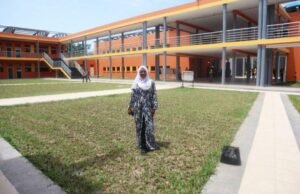
The leadership dispute is unfolding against a wider backdrop of concerns about conditions at the university.
In October, students staged protests over transportation difficulties, inadequate facilities and other welfare concerns. Al Jazeera reported that students complained about unreliable university transport, poor campus facilities and internet connectivity, with the demonstrations prompting government intervention and the deployment of additional buses.
The university’s financial management has also attracted scrutiny in previous years. In May 2024, members of the National Assembly’s Finance and Public Accounts Committee criticised aspects of the institution’s financial records after examining discrepancies in its audited accounts.
These developments have intensified calls for stronger accountability and improved institutional management.
Touray urged the government to act on the recommendations of the independent investigation panel and ensure that Robinson receives a fair and impartial performance assessment.
He maintained that if the vice-chancellor’s performance is found satisfactory, he should be allowed to continue his work with the support of a competent and independent Governing Council. However, should the assessment establish significant shortcomings, he argued that the matter should be handled fairly and in accordance with the applicable rules.
The unfolding controversy presents a critical test for the Gambian government and the university’s leadership, particularly as the institution remains central to the country’s efforts to strengthen higher education and develop skilled human resources.
Ultimately, stakeholders will be watching to see whether the dispute can be resolved through transparent procedures, legal clarity and institutional reforms without further damaging the university’s credibility.