
International
UN Court Rules Myanmar Committed Genocide Against Rohingya in Landmark Judgment

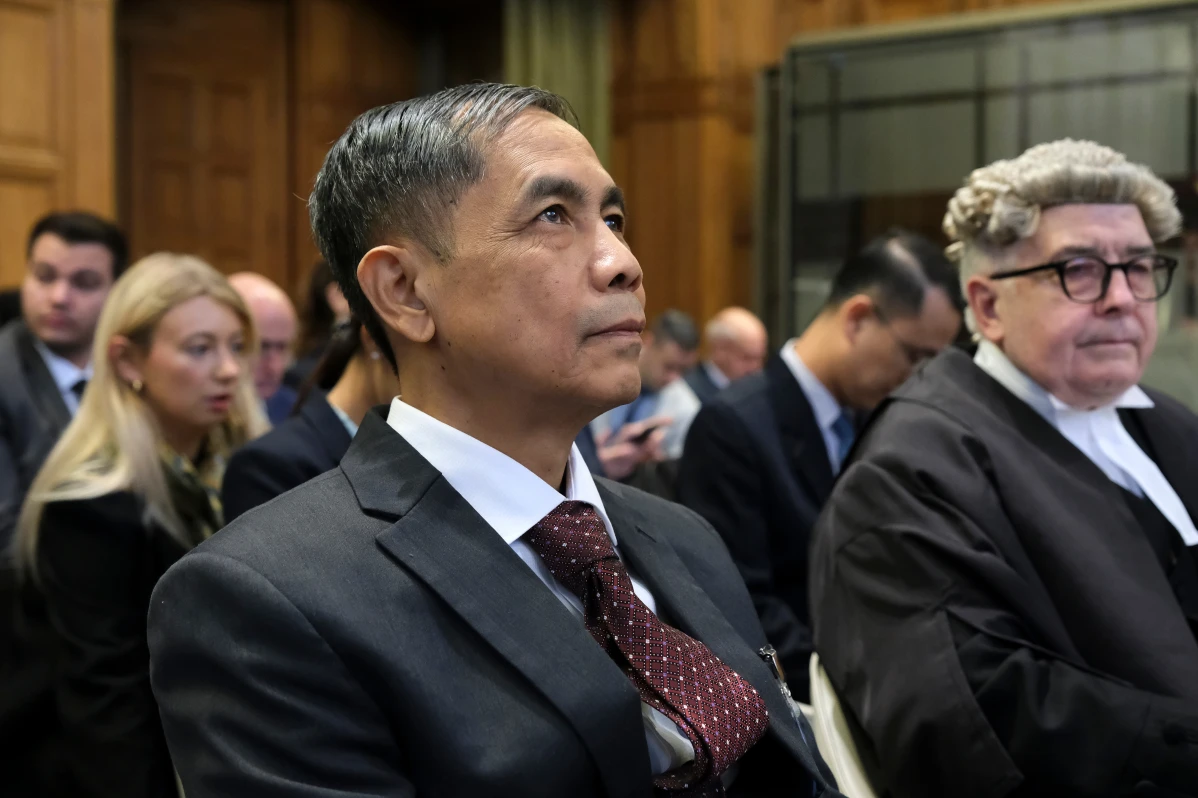
The International Court of Justice (ICJ), the United Nations’ highest court, has ruled that Myanmar committed genocide against the Rohingya Muslim minority during its 2017 military operations in northern Rakhine State.
The landmark judgment, delivered on Thursday, November 19, 2026, marks the first time the World Court has formally found a state responsible for genocide.
In a 9-6 decision, the 15-judge panel found that Myanmar violated its obligations under the 1948 Genocide Convention through its military campaign against the Rohingya.
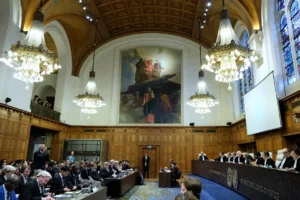
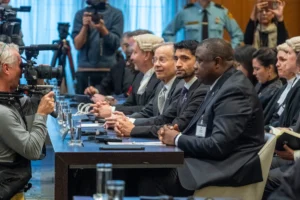
Reading the judgment at the Peace Palace in The Hague, Netherlands, ICJ President Yuji Iwasawa said the court was convinced that Myanmar’s security forces committed acts of genocide with the intention of destroying a substantial part of the Rohingya population.
The court found that Myanmar’s security forces killed thousands of Rohingya civilians, committed widespread sexual violence, carried out extreme acts of violence against children and attacked people fleeing towards neighbouring Bangladesh.
Evidence presented before the court also indicated that approximately 10,000 Rohingya were killed during the military operations.
The judges rejected Myanmar’s argument that the 2017 campaign was a legitimate security operation against insurgents, finding that the scale and nature of the atrocities demonstrated genocidal intent.
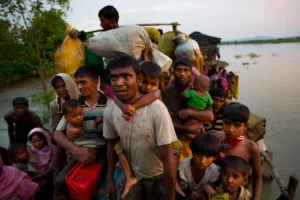
The case was brought by The Gambia in November 2019, accusing Myanmar of violating the Genocide Convention during the military crackdown that forced more than 700,000 Rohingya to flee to Bangladesh.
The West African country pursued the case with the backing of the Organisation of Islamic Cooperation, arguing that Myanmar should be held internationally responsible for the atrocities committed against the minority community.
Myanmar consistently denied the genocide allegations, maintaining that its military was responding to attacks by Rohingya insurgents and defending national security.
The proceedings continued despite the country’s February 2021 military coup, with Myanmar’s military authorities maintaining the country’s defence before the court.
The ICJ’s ruling also requires Myanmar to provide reparations to victims, with the amount and specific arrangements to be determined in subsequent proceedings. The court further addressed the need to ensure the safe, voluntary and dignified return of displaced Rohingya and their reunification with families.
The judgment follows years of legal proceedings, including an earlier 2020 order directing Myanmar to take measures to prevent acts of genocide and preserve evidence relating to the Rohingya population.
The decision has been welcomed by Rohingya survivors and human rights advocates, who have described it as an important recognition of the suffering endured by their community.
Yasmin Ullah, a Rohingya rights activist who attended the proceedings, described the judgment as a significant moment for victims who have spent years seeking international recognition and justice.
Human Rights Watch also welcomed the ruling, urging Myanmar to comply with the judgment and calling on governments to support efforts to secure justice and the safe return of Rohingya refugees.
The consequences of the ruling could extend beyond Myanmar, as international legal experts examine its implications for other cases involving allegations of genocide, including South Africa’s case against Israel over the war in Gaza.
However, the ICJ does not prosecute individuals or impose prison sentences. Its role is to determine disputes between states and establish their legal responsibilities under international law. Individual criminal accountability falls under the jurisdiction of courts such as the International Criminal Court.
Although ICJ judgments are final and legally binding, the court has no independent enforcement mechanism. If Myanmar fails to comply, the matter could be referred to the United Nations Security Council.
More than 1.2 million Rohingya refugees remain in Bangladesh, many living in overcrowded camps after fleeing violence and persecution in Myanmar.
Despite the legal victory, the judgment does not automatically guarantee their return home, citizenship or immediate compensation, leaving questions about implementation and accountability unresolved.
The ruling nevertheless represents a significant milestone in the international effort to establish responsibility for the atrocities committed against the Rohingya community.