
Africa
DR Congo Suspends Cobalt Exports Again to Curb Oversupply and Boost Prices

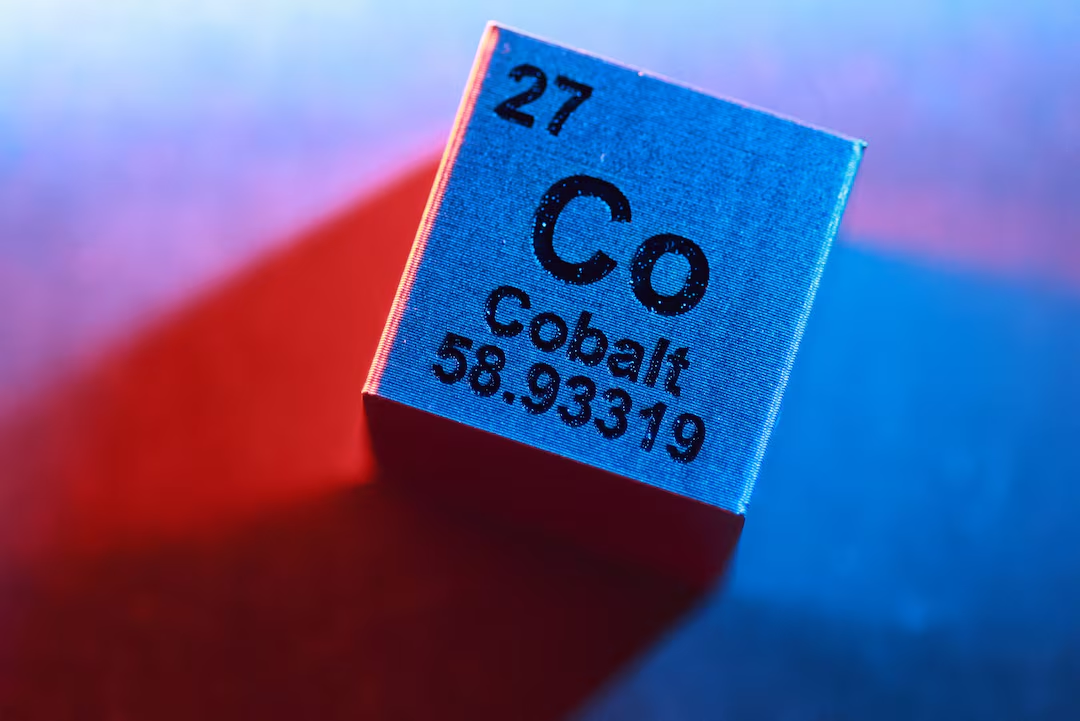
The Democratic Republic of the Congo (DRC) has announced another suspension of cobalt exports in a fresh attempt to tackle oversupply, stabilise prices and restore balance to the global market.
The country’s strategic minerals regulator, the Authority for the Regulation and Control of Strategic Mineral Substances Markets (ARECOMS), said on Monday that all cobalt exports would be suspended from November 30 until further notice.
The restriction will apply to cobalt produced by both industrial mining companies and artisanal operators, according to the regulator.
ARECOMS said the decision was intended to address a persistent imbalance in the international cobalt market, which it attributed to weak demand, rising inventories and excess supply.
The regulator also pointed to a significant and sustained decline in cobalt prices since June, citing slower global consumption, growing stockpiles and speculative trading as contributing factors.
The suspension marks the second major export restriction imposed by the DRC since February 2025, when the government introduced an initial ban to support prices after a prolonged period of oversupply. That restriction was later replaced by an export quota system in October 2025.
However, the quota arrangement has not prevented prices from coming under renewed pressure, as additional supplies entered the market while demand for battery materials remained subdued.
During the latest suspension, ARECOMS plans to review and adjust its quota-allocation system to ensure that export volumes are better aligned with global demand.
The regulator said it would assess the measure four months after it takes effect. However, it stressed that the review would not automatically result in exports resuming. Any decision to restart shipments would require a separate announcement specifying export volumes, quota allocations and applicable conditions.
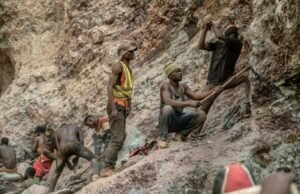
The move is significant for the global battery and electric vehicle industries because the DRC accounts for the largest share of mined cobalt supply worldwide. The metal is widely used in rechargeable batteries for electric vehicles, mobile phones, laptops and other electronic devices.
Major mining companies operating in the country include China’s CMOC Group, Glencore and Eurasian Resources Group.
Analysts say renewed restrictions could tighten the availability of cobalt on international markets and potentially support prices. However, the impact will also depend on demand from battery manufacturers, existing inventories and supplies from other producing countries, including Indonesia.
The repeated changes to export policy have also raised concerns among market participants about supply-chain uncertainty and the difficulty of planning long-term investments in the sector.
With the latest suspension, the Congolese government is again seeking to use its dominant position in the cobalt market to influence prices and manage the flow of one of the minerals considered important to the global energy transition.