
World News
Iran Says It Can Withstand US Blockade as Government Moves to Contain Rising Prices

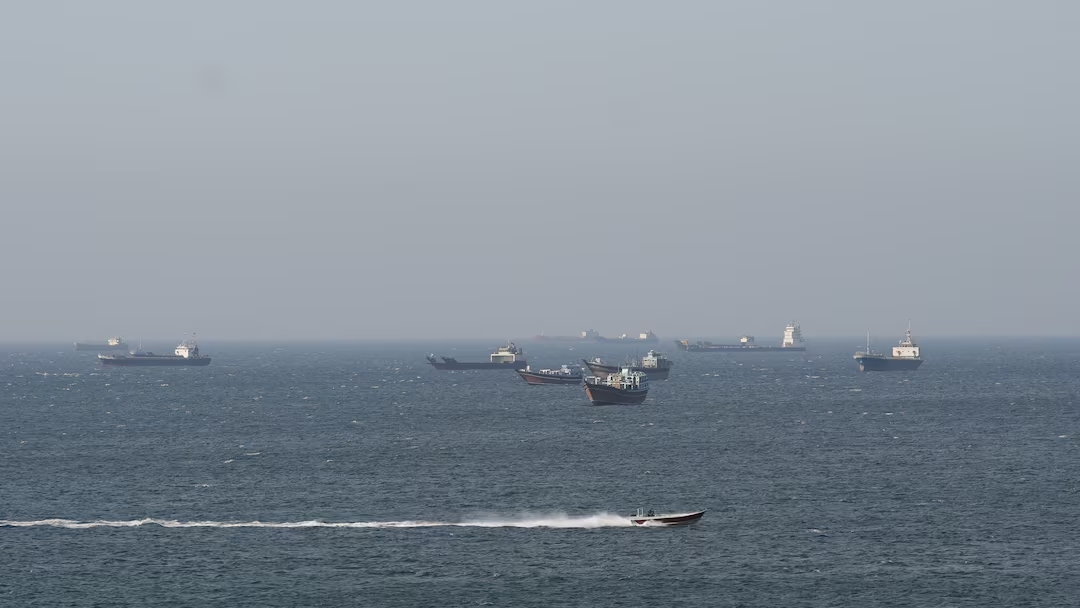
Iran has declared that it is prepared to withstand the United States’ naval blockade, as authorities seek to protect essential supplies and prevent further increases in the cost of basic goods amid mounting economic pressure.
Iranian First Vice President Mohammad Reza Aref said the country had sufficient strategic reserves and supplies to manage the restrictions, pointing to increased cargo clearance through land borders outside the country’s southern ports.
Aref said the government was working to prevent prices of essential commodities from rising for at least three months, despite the difficulties created by the US blockade.
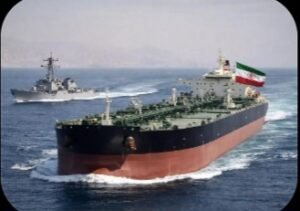
He maintained that Iran had developed alternative trade routes and strengthened its supply arrangements to reduce the impact of restrictions on imports and exports.
The US blockade, which targets Iranian ports and oil shipments, was reinstated on July 14 after an earlier understanding between Washington and Tehran collapsed.
Washington has also announced additional measures aimed at restricting the movement of weapons and sanctioned materials through Iran’s land borders and the Caspian Sea.
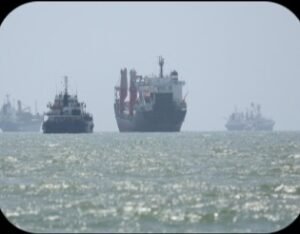
Iranian officials have condemned the restrictions, describing the naval blockade as an act of aggression. Foreign Ministry spokesperson Esmaeil Baghaei previously warned that Tehran would use available means to challenge the measures.
The economic consequences, however, are becoming increasingly severe for ordinary Iranians.
Figures from Iran’s Statistical Centre show that consumer prices in October were 88.7 per cent higher than a year earlier, while food and beverage prices rose by 112.6 per cent over the same period. The annual average inflation rate reached 76.8 per cent.
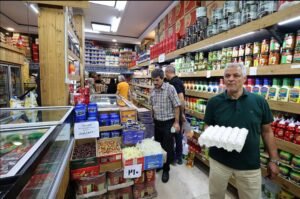
The figures underline the pressure facing households as the country struggles with soaring living costs, reduced oil revenues and disruptions to international trade.
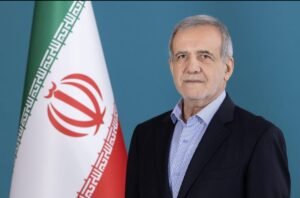
Iran’s President Masoud Pezeshkian has separately pledged to direct available budget resources and savings from energy consumption towards improving living conditions, particularly in poorer communities.
His administration has also been considering measures to manage public spending and protect vulnerable households as the economic crisis deepens.
The blockade has severely affected Iran’s oil export capacity, with shipments falling sharply as Washington intensifies efforts to restrict the country’s access to international markets.
Iran has traditionally relied heavily on oil exports to generate foreign currency needed to finance government spending and imports. Restrictions on shipping, insurance and financial transactions have made it increasingly difficult for the country to maintain those revenues.
In a report published earlier this month, Al Jazeera highlighted concerns that a prolonged blockade could further weaken Iran’s economy, particularly if oil revenues continue to decline and the government struggles to finance essential imports.
Despite the economic challenges, Tehran has maintained that it will not surrender to US pressure and insists it can rely on alternative trade arrangements and domestic resources to withstand the restrictions.
The standoff comes amid a wider conflict between the two countries, with the Strait of Hormuz remaining a major point of tension because of its importance to international oil and shipping routes.
While Iran insists it is prepared for a prolonged blockade, the government’s ability to stabilise prices and protect household purchasing power will remain a major test as economic pressure continues.