Legislature
Senate Opens Probe Into LPG Exports as Cooking Gas Shortage Bites

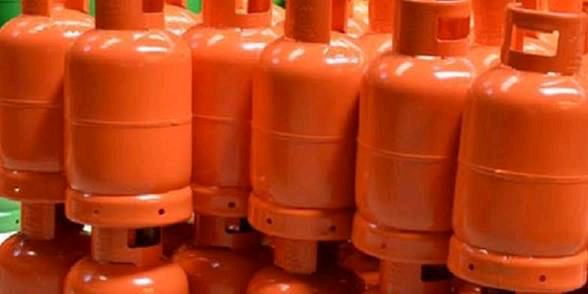
The Senate has launched an investigation into the export of Liquefied Petroleum Gas amid growing concerns that large volumes are leaving the country while Nigerians grapple with scarce and expensive cooking gas.
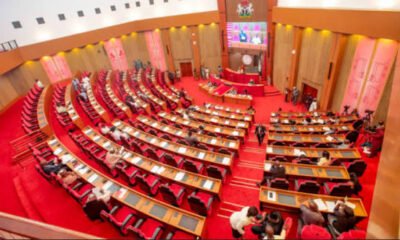
The Senate Committee on Gas Resources, chaired by Senator Jarigbe Jarigbe, summoned regulators and industry stakeholders to the National Assembly on Wednesday to explain export arrangements and revenue remittances.
Jarigbe said the situation contradicts President Bola Tinubu’s Executive Order 9, signed in February 2026, which was intended to ease the burden of high gas prices on ordinary citizens. “LPG has to be supplied to the domestic market for the good of the common man,” he said.

The Nigeria Customs Service disclosed that 223.699 metric tonnes of LPG were exported between 2024 and 2025.
Deputy Comptroller-General Caroline Kemen Niagwan told the committee that 190.8 metric tonnes were shipped in 2024 and 32.8 metric tonnes in 2025. She said Customs had no record of exports from Escravos in 2026.
Industry operators reportedly blamed the exports on the propane-to-butane ratio in locally produced gas, claiming an 80:20 mix made it unsuitable for domestic use.
Jarigbe rejected that argument, insisting blending could reverse the ratio to 80 percent butane and 20 percent propane for Nigerian consumers.
A representative of the Nigerian Upstream Petroleum Regulatory Commission, Enorense Amadasu, explained that the Escravos facility was originally designed for export evacuation under a joint venture between the government and Chevron.
He said Chevron issued a public request in 2024 inviting Nigerian LPG off-takers to discuss domestic supply arrangements.
The committee is expected to resume its engagement with stakeholders next Tuesday.
Lawmakers have also resolved to summon the heads of the Nigerian National Petroleum Company Limited and Chevron after they failed to appear at the hearing.