
International
Authorities Increase Surveillance as Sydney Beach Reopens Following Shark Incident


Authorities in Sydney have reopened a popular beach under heightened security and surveillance measures following a shark attack that prompted a temporary closure and raised concerns among residents and tourists.
The beach was reopened after marine experts and lifeguards conducted extensive assessments of the area and determined that the immediate risk to swimmers had diminished. However, officials said patrols would remain significantly increased as a precaution.

Teams of lifeguards, marine rescue personnel, and drone operators have been deployed to monitor waters for shark activity. Authorities have also installed additional warning systems and urged beachgoers to follow safety instructions while in the water.

The decision to reopen came after several days of monitoring following the attack, which resulted in serious injuries to a swimmer. Emergency services responded quickly to the incident, and the victim was transported to hospital for treatment.

Local officials said shark sightings are not uncommon along Australia’s coastline, particularly during periods when water temperatures and fish movements attract marine predators closer to shore. Experts stressed that shark attacks remain rare despite Australia’s reputation for shark encounters.
Beach closures are standard procedure after confirmed shark attacks or significant sightings. During such closures, authorities conduct aerial and water-based patrols to determine whether sharks remain in the vicinity.

Residents and local businesses welcomed the reopening, noting the importance of beach tourism to Sydney’s economy. However, some visitors expressed caution, saying they would remain vigilant while swimming.
Marine biologists have urged the public not to view sharks solely as a threat, emphasizing their important role in maintaining healthy ocean ecosystems. They also encouraged swimmers to follow established safety guidelines, including avoiding the water at dawn or dusk and staying within designated swimming areas.
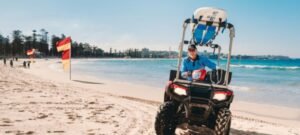
The incident has renewed discussions in Australia about balancing public safety with marine conservation. Environmental groups have opposed measures such as shark culling, arguing that non-lethal approaches; including drone surveillance, tagging programs, and shark-spotting networks are more effective and environmentally responsible.
Authorities said patrols would continue for the coming days and that the beach could be closed again if further shark activity is detected.