
International
China Says Critical Minerals Restrictions Are Legitimate Following G7 Statement

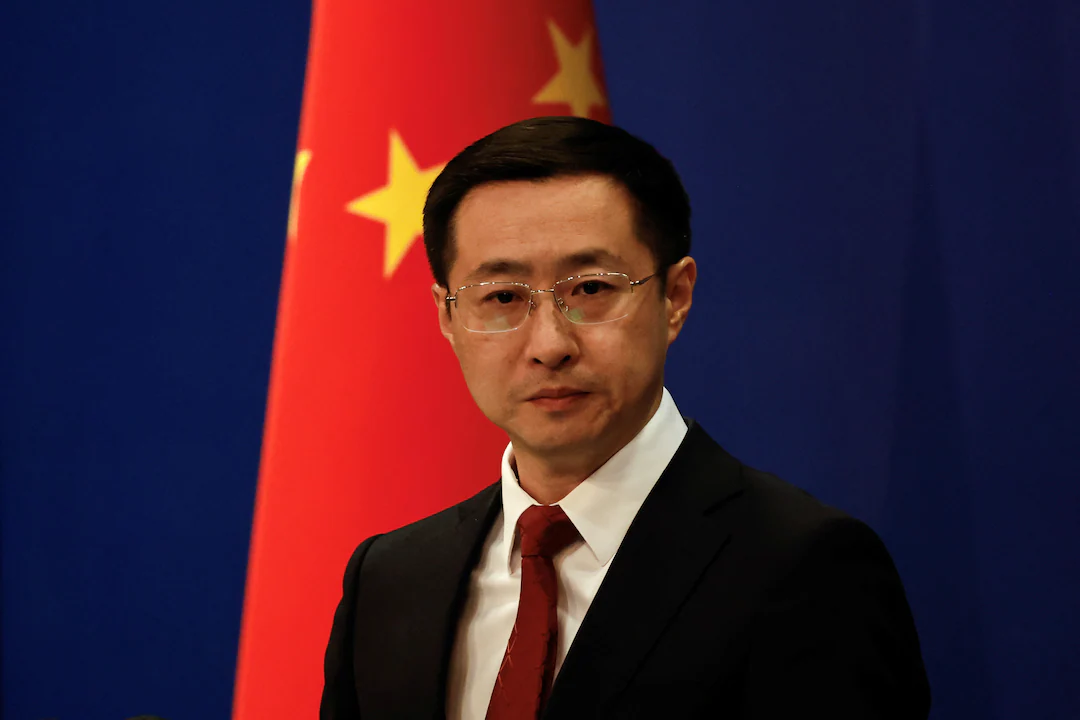
China has defended its export controls on critical minerals and rare earth materials after leaders of the Group of Seven (G7) expressed concerns about the impact of such restrictions on global supply chains and economic security.
The response from Beijing came after G7 leaders meeting in France issued a statement emphasizing the need for resilient and diversified supply chains for strategic resources. The group voiced concern over what it described as growing risks associated with concentrated control of critical mineral supplies, which are essential for industries ranging from electric vehicles and renewable energy to semiconductors and defense technology.
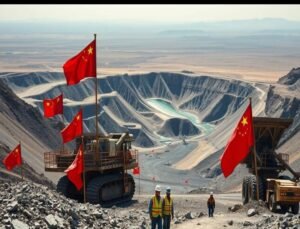
China’s Foreign Ministry and commerce officials argued that the country’s export control measures are consistent with international practices and are aimed at protecting national security, safeguarding resources, and ensuring the responsible use of strategically important materials. Officials rejected suggestions that Beijing was using its dominant position in the critical minerals market as a geopolitical tool.
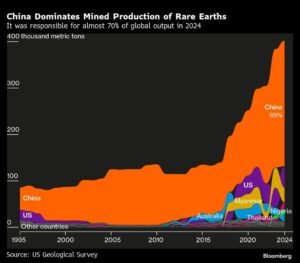
China is the world’s leading producer and processor of many rare earth elements and critical minerals used in advanced manufacturing. As a result, changes in Chinese export policy can have significant effects on global industries and supply chains. Governments and businesses across North America, Europe, and Asia have increasingly sought to reduce dependence on a single source of supply for these materials.
The G7 statement highlighted efforts by member countries to strengthen cooperation on mining, processing, and recycling critical minerals. Leaders said diversification would help reduce vulnerabilities and improve economic resilience in the face of geopolitical tensions and supply disruptions.
Beijing, however, insisted that its policies are transparent and lawful. Chinese officials argued that export licensing requirements apply only to certain materials and technologies and are not intended to disrupt legitimate international trade. They also accused some Western countries of politicizing economic and trade issues.
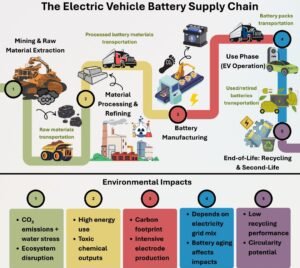
The dispute reflects broader competition between China and Western economies over access to strategic resources needed for the energy transition and advanced technology development. Demand for critical minerals such as lithium, cobalt, graphite, and rare earth elements is expected to increase significantly in the coming years as countries expand electric vehicle production and renewable energy infrastructure.
Industry analysts note that concerns about supply chain security have prompted governments worldwide to invest in new mining projects, processing facilities, and alternative supply sources. However, building diversified supply chains is expected to take years due to the complexity and cost of developing new production capacity.
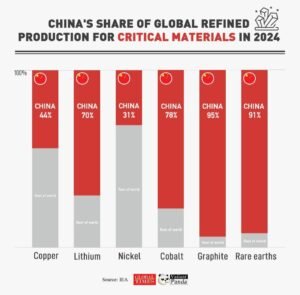
As global competition for critical minerals intensifies, the debate between China and the G7 is likely to remain a key issue in international trade and economic diplomacy. Both sides have signaled a willingness to continue dialogue, but significant differences remain over how strategic resources should be managed in an increasingly interconnected global economy.