
Sports
FIFA Faces Fresh Backlash as Elite Clubs Reject World Cup Commercial Overhaul

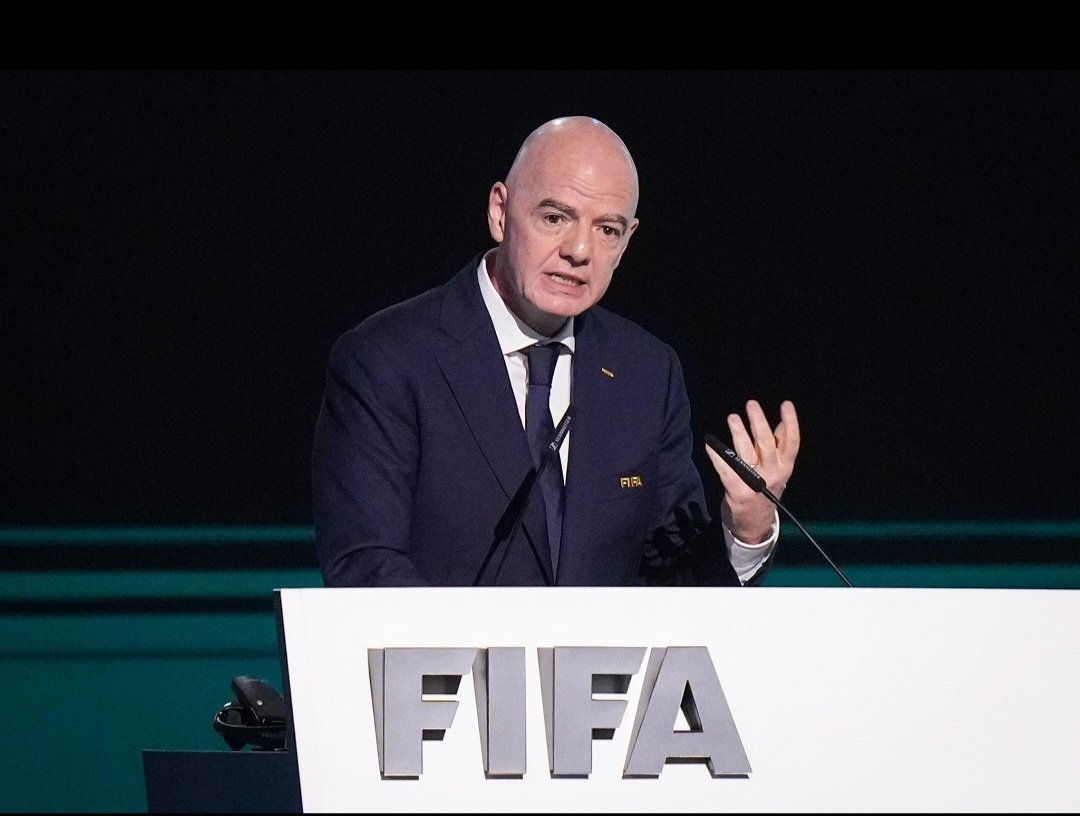
Opposition to FIFA President Gianni Infantino’s controversial plan to restructure the commercial rights of the FIFA World Cup has intensified, with European football giants Real Madrid and Juventus joining a growing coalition of critics who argue the governing body has no legal or moral authority to sell part of the sport’s most valuable commercial assets to outside investors. The latest resistance from two of football’s biggest clubs marks another significant setback for FIFA as it seeks support for one of the most ambitious commercial overhauls in its history.


According to people familiar with the discussions, the clubs believe FIFA is attempting to commercialize assets that ultimately belong to the wider football ecosystem; including clubs, players, leagues and fans, rather than FIFA itself. They argue that while FIFA organizes international competitions, the value of those tournaments is created by the clubs that develop and employ the world’s top players throughout the year.

At the center of the controversy is FIFA’s proposal to create a new commercial company, FIFA Forward Enterprise (FFE), which would hold the commercial rights to major FIFA competitions, including the men’s World Cup, the Women’s World Cup and the expanded Club World Cup.
FIFA is considering selling up to a 20% stake in the new entity to private investors, with the business reportedly valued at around $20 billion. FIFA argues the investment would generate billions of dollars in additional revenue that could be distributed among its 211 member associations to support football development, infrastructure projects and grassroots programmes around the world.
Sources say Real Madrid, Juventus and several other leading clubs reject FIFA’s central argument, insisting the governing body cannot unilaterally monetize the sport’s commercial future.
Their position is that competitions such as the Club World Cup derive their value from the participation of elite clubs, making them indispensable stakeholders in any major commercial restructuring. Critics warn that bringing private equity investors into FIFA’s flagship competitions could shift priorities away from sporting integrity and toward maximizing financial returns for shareholders.

The clubs are also said to be concerned that external investors could seek greater influence over tournament scheduling, commercial partnerships and broadcasting arrangements, potentially increasing fixture congestion and placing further strain on players.
The clubs’ objections come as resistance to FIFA’s proposal spreads across international football.
Earlier this week, UEFA and all 55 European football associations unanimously rejected the proposal, describing the World Cup as part of football’s shared heritage rather than an investment product. UEFA warned that privatizing FIFA’s commercial rights would fundamentally change the governance of the sport and threatened to boycott FIFA competitions if the proposal proceeds.
The Asian Football Confederation (AFC) has also voiced strong concerns over the proposal, criticizing the consultation process and calling for greater transparency, while CONCACAF has expressed similar reservations. Together, the opposition from the three confederations represents a substantial portion of FIFA’s global membership.
The growing backlash has increased pressure on Infantino, whose leadership is facing one of its biggest challenges since becoming FIFA president.
The controversy has already prompted the resignation of senior FIFA adviser Carlos Cordeiro, who reportedly described the proposal as “a bad deal for football.” Political leaders have also joined the debate, with British Prime Minister Andy Burnham recently calling Infantino “the wrong man” to lead FIFA and urging him to step aside over the issue.
FIFA maintains that no final decision has been made and says the proposal remains under consultation with member associations.
The organization insists it is not selling football, but rather seeking new investment to strengthen the game’s long-term financial future and increase funding for national federations, particularly in developing countries. FIFA says member associations will have an opportunity to debate and vote on the proposal before any agreement is finalized.
With opposition now extending beyond continental confederations to some of the world’s most influential football clubs, FIFA’s commercial overhaul faces an increasingly uncertain future.
If clubs, confederations and national associations continue to unite against the proposal, analysts say FIFA could struggle to secure the broad support needed to move forward. The dispute has also raised broader questions about who ultimately controls the commercial future of world football—and whether its most iconic competitions should ever be opened to private investment.