
Sports
FIFA Scraps Controversial World Cup Investment Plan After Mounting Global Opposition

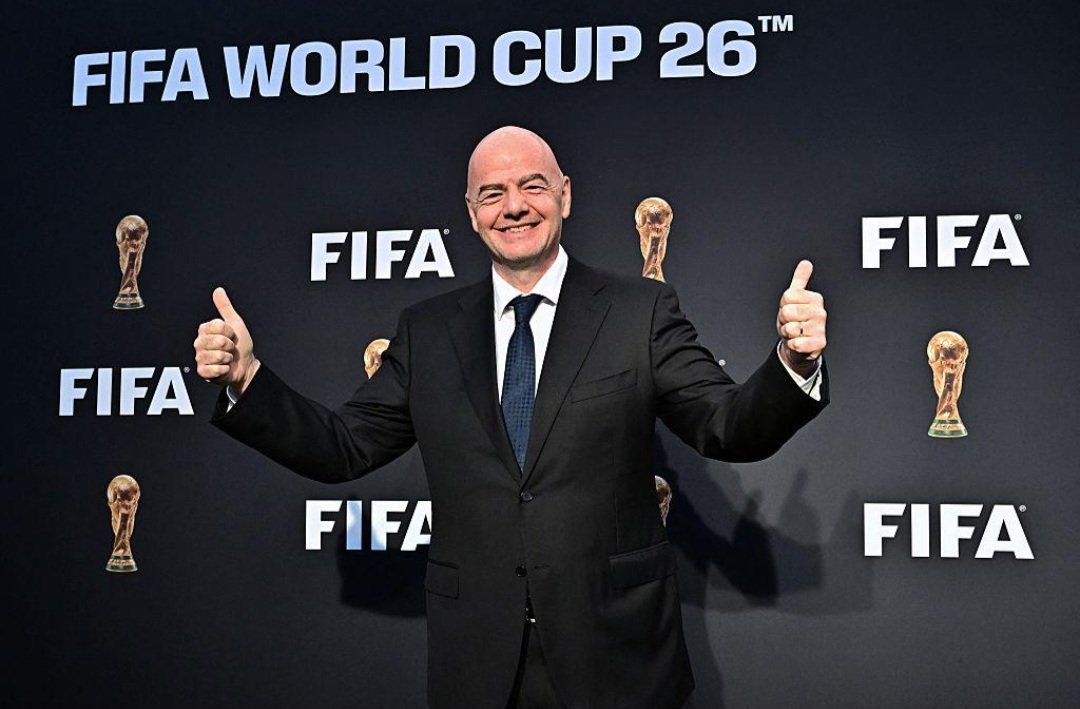
FIFA has officially abandoned its controversial proposal to create a private investment vehicle for its flagship tournaments, including the FIFA World Cup, following an unprecedented backlash from football confederations, national associations, elite clubs and senior officials within the governing body.


FIFA President Gianni Infantino announced that the organization would no longer pursue the plan, saying the proposal had become too divisive and that preserving unity within world football was the priority. The decision marks a major reversal for FIFA after days of growing resistance from stakeholders across the sport.
The proposal centered on the creation of a new commercial subsidiary known as FIFA Forward Enterprise (FFE).
Under the plan, FIFA would have transferred the commercial rights to its biggest competitions; including the men’s World Cup, Women’s World Cup and Club World Cup, into the new entity before selling a 20% stake to private investors. The venture was reportedly valued at around $20 billion, with FIFA arguing that the investment would generate billions of dollars for football development around the world.
FIFA had also proposed a substantial one-time financial payment to each of its 211 member associations if they approved the project before a September deadline, presenting the initiative as a way to significantly increase future funding for national federations.
The proposal quickly met fierce resistance from across the football world.
UEFA led the opposition, warning that the World Cup should never become an investment asset for private equity firms. European football officials argued that football belongs to its clubs, players, supporters and national associations—not outside investors.
The opposition soon expanded to include CONCACAF and the Asian Football Confederation (AFC), which expressed solidarity with UEFA and raised concerns about governance, transparency and the long-term impact of privatizing FIFA’s commercial rights. Together, the three confederations represent a majority of FIFA’s member associations.
Resistance was not limited to football’s governing bodies.
Major European clubs, including Real Madrid and Juventus, reportedly questioned FIFA’s legal authority to commercialize assets they argued derive much of their value from the participation of clubs and players.
The clubs maintained that FIFA organizes competitions but does not “own football,” warning that private investors could eventually seek influence over scheduling, broadcasting rights and commercial decisions affecting the global game.
The controversy also exposed divisions inside FIFA itself.
Senior adviser Carlos Cordeiro resigned during the dispute after reportedly criticizing the proposal as harmful to football, while reports suggested that other senior FIFA executives were unhappy with the way the project had been developed and presented to stakeholders. The internal disagreements added further pressure on Infantino as criticism intensified.
Facing the prospect of boycotts, deepening divisions and declining confidence among key stakeholders, FIFA ultimately concluded that the proposal was no longer viable.
In announcing the decision, Infantino acknowledged that the initiative had created unnecessary conflict and emphasized that maintaining unity within football was more important than pursuing the commercial restructuring. FIFA said it would continue operating under its existing non-profit structure and seek other ways to increase investment in football development without selling stakes in its commercial rights.
The collapse of the proposal represents one of the most significant setbacks of Infantino’s presidency.
Critics argue the episode has damaged FIFA’s credibility and raised broader questions about governance, transparency and the commercialization of the world’s most popular sport. The controversy has also fueled renewed calls for leadership changes within FIFA ahead of the organization’s next presidential election.
Although FIFA has abandoned the investment plan, the debate over how to finance football’s future is far from over.
The governing body is expected to explore alternative methods of increasing revenue for member associations while avoiding proposals that transfer ownership interests in football’s premier competitions to outside investors. For now, the withdrawal of the plan has been welcomed by many across the sport as a victory for traditional football governance and the principle that the World Cup should remain under FIFA’s full control.