
War
Iran Tightens Grip on Strait of Hormuz, Expands Control Over Key Shipping Route

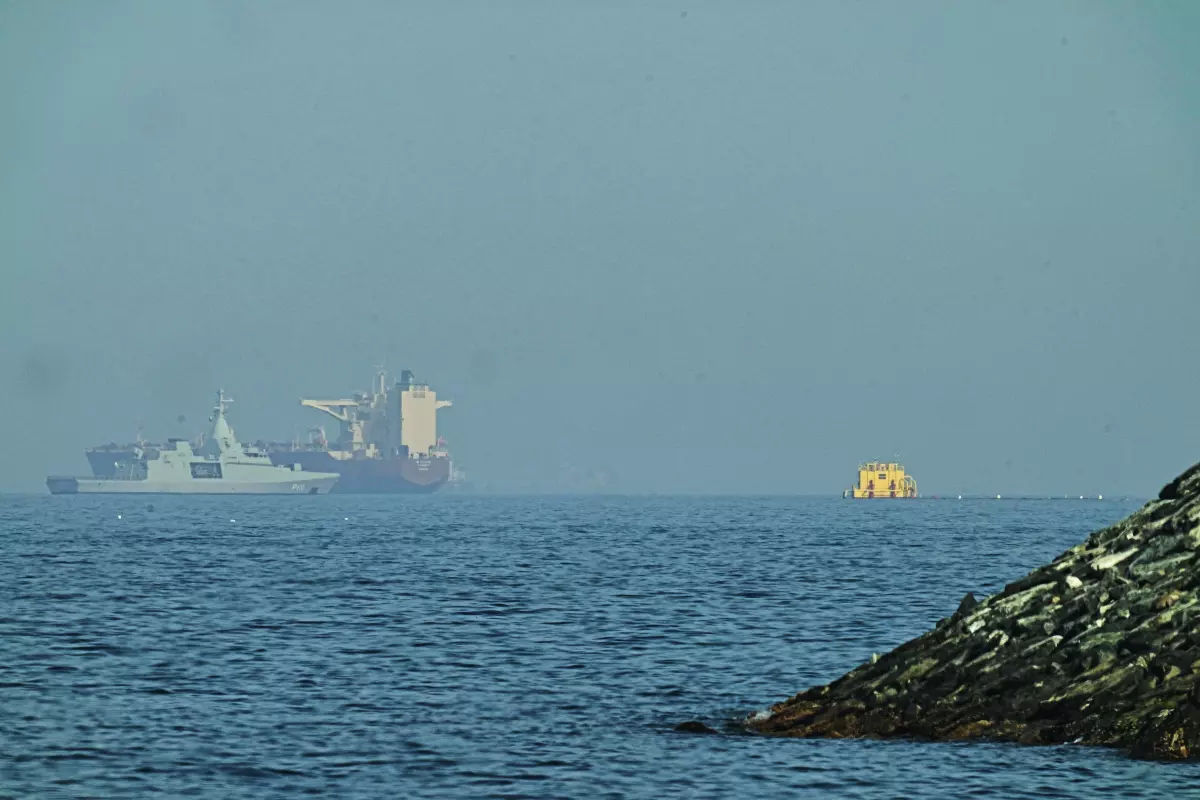
Iran has stepped up its assertion of control over the strategic Strait of Hormuz, a critical maritime chokepoint through which nearly a fifth of global oil shipments pass, amid ongoing regional tensions and disruptions to shipping traffic.
Iranian officials and military-linked statements have repeatedly claimed expanded authority over the waterway in recent weeks, including regulating vessel movement, issuing transit requirements, and reinforcing oversight of maritime traffic passing through the narrow corridor linking the Persian Gulf to the Gulf of Oman.
In earlier remarks, Iran’s Islamic Revolutionary Guard Corps (IRGC) said the country had “complete control” over the Strait of Hormuz and surrounding waters, warning that vessels could face risks if they attempted to transit without coordination with Iranian naval authorities.
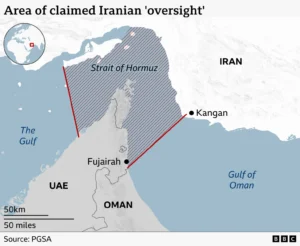
More recent developments indicate Tehran has moved beyond rhetoric to formalize parts of its maritime oversight, including introducing administrative structures to manage shipping approvals and transit procedures through the strait, raising concerns among global shipping operators about freedom of navigation.
The Strait of Hormuz remains one of the world’s most sensitive energy corridors, with disruptions already affecting oil flows and global supply chains amid heightened geopolitical tensions in the Gulf region.
Analysts warn that any sustained tightening of control or restrictions on passage could further escalate shipping costs and increase volatility in global energy markets, especially given the strategic importance of the waterway for crude oil exports.
Iran has maintained that its actions are aimed at ensuring security and asserting sovereignty over its territorial waters, while international stakeholders continue to push for guaranteed safe passage for commercial vessels through the strait.