
World News
Retaliation and Rising Risks: US Strikes Iran While Israel Warns of Dangerous Escalation

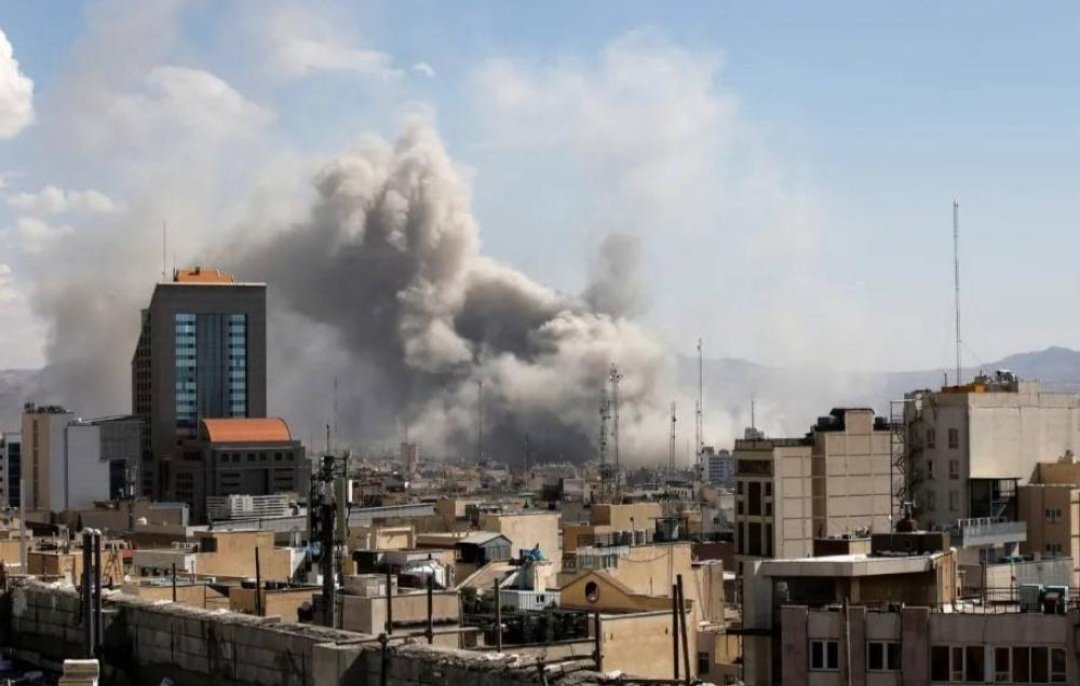
The United States has launched a new wave of airstrikes against Iranian military targets following the deaths of American troops in a recent attack blamed on Tehran-backed forces, dramatically escalating tensions in the Middle East. The strikes came as Israeli officials warned that Iran’s increasingly aggressive actions were “coming close” to provoking a broader regional confrontation, raising fears of a wider conflict involving multiple countries.
According to U.S. defense officials, the strikes targeted facilities associated with Iran’s Islamic Revolutionary Guard Corps (IRGC), including weapons depots, command centers and missile infrastructure believed to support proxy militias operating across the region. The Pentagon described the operation as a “swift and proportionate response” designed to deter further attacks on American personnel while avoiding a broader war.
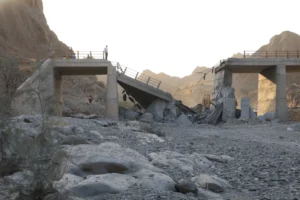
The military action followed the deaths of several U.S. service members in an attack on an American position in the Middle East. Washington has blamed the assault on an Iran-backed militia, arguing that Tehran bears responsibility for arming, funding and directing proxy groups that have repeatedly targeted U.S. forces stationed in the region. U.S. officials said the latest strikes were intended to degrade the operational capabilities of those groups and send a clear warning to Iran’s leadership.
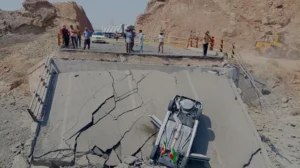
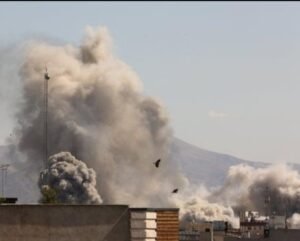
Iran condemned the American operation, describing it as a violation of its sovereignty and international law. Officials in Tehran insisted that the country had no direct role in the attack on U.S. troops and warned that continued military pressure could trigger a stronger response. Iranian state media reported explosions in several areas targeted by the strikes, although authorities did not immediately provide details on casualties or damage.
The latest escalation comes as Israel also hardened its rhetoric toward Tehran. Israeli Prime Minister Benjamin Netanyahu said Iran’s actions and those of its regional allies were “coming close” to crossing a threshold that could force a more decisive Israeli response. Israeli officials accused Iran of intensifying support for armed groups operating in Lebanon, Syria, Iraq and Yemen, arguing that these networks continue to threaten Israeli security and regional stability.

The renewed hostilities have heightened concerns among diplomats that the conflict could spread beyond isolated retaliatory strikes. Since the outbreak of fighting between Israel and Hamas, violence has expanded across the Middle East, with frequent exchanges involving Hezbollah in Lebanon, Houthi forces in Yemen and various Iran-aligned militias in Iraq and Syria. Analysts warn that another cycle of retaliation between Washington and Tehran could further destabilize an already volatile region.
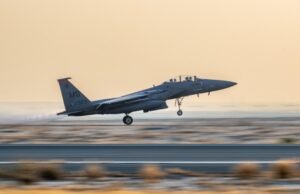
The United States said it had informed regional allies before carrying out the strikes and stressed that it remains committed to protecting its forces while pursuing diplomatic efforts to reduce tensions. The Pentagon added that additional military action remains possible if American personnel come under further attack. At the same time, U.S. officials emphasized that Washington is not seeking a direct war with Iran but will respond decisively to threats against its troops.
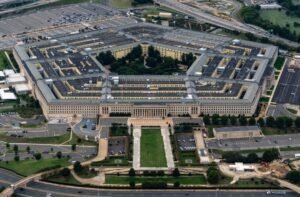
International leaders have urged restraint from all sides, warning that continued escalation could have far-reaching consequences for global energy markets, maritime security and regional peace. The United Nations renewed its call for dialogue and de-escalation, while governments across Europe and the Middle East appealed for diplomatic engagement to prevent the crisis from spiraling into a broader conflict.

As military activity intensifies and political rhetoric hardens, the Middle East faces one of its most dangerous moments in recent years. Whether the latest exchange remains a limited round of retaliation or develops into a wider regional conflict will depend largely on the next moves by Washington, Tehran and Israel.