
International
Spain Records Over 2,000 Migrant Arrivals in Canary Islands in 24 Hours

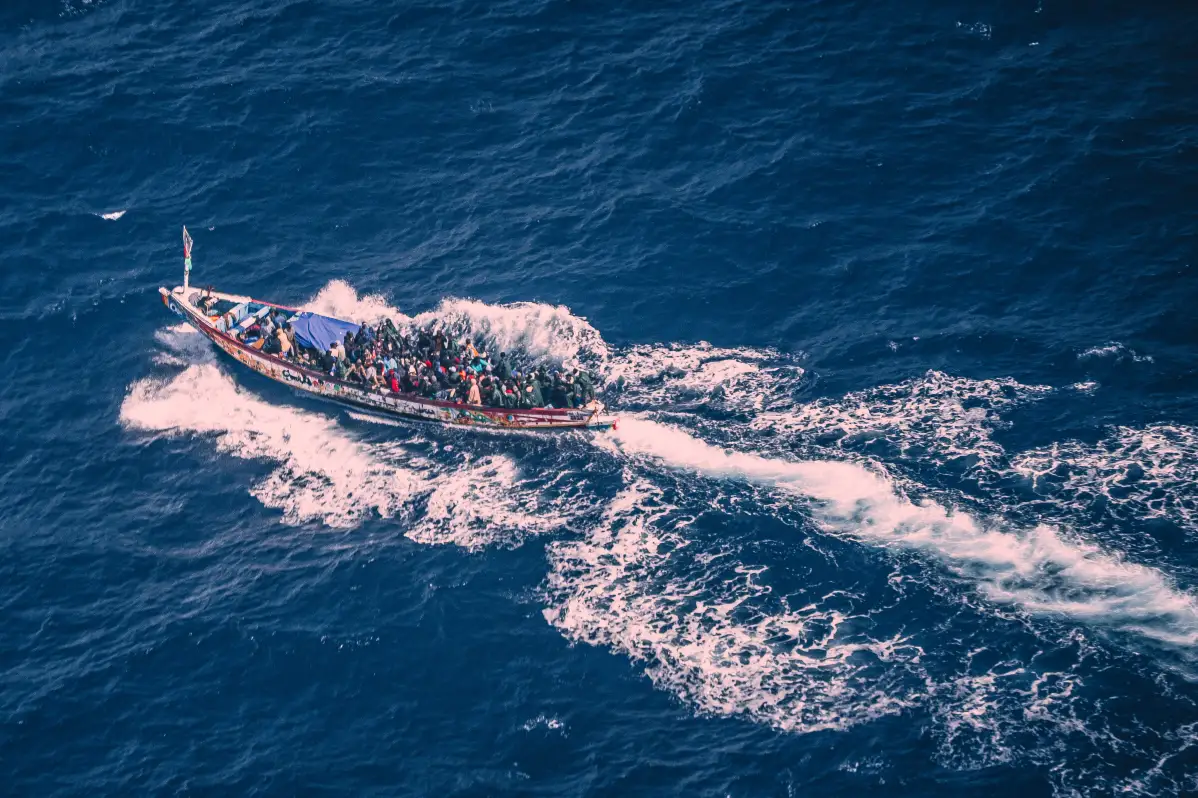
Spain’s Canary Islands have recorded their highest single-day migrant arrivals after more than 2,000 people reached the Atlantic archipelago in overcrowded boats from West Africa, intensifying pressure on local reception facilities and renewing debate over Europe’s migration policies.
According to Spain’s maritime rescue service, 1,990 migrants arrived aboard 15 boats on Tuesday, November 24, with most of the vessels reaching the small island of El Hierro.
However, a subsequent Reuters report, citing maritime rescue service data, put the total at more than 2,100 people over a 24-hour period, surpassing the previous daily record of approximately 1,500 arrivals recorded just two weeks earlier.
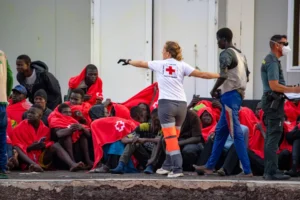
The arrivals included women and children, with around 100 minors among those recorded by Spanish authorities. They included a four-day-old baby who was reportedly born during the dangerous sea crossing.
The journey also resulted in a fatality, with Reuters reporting that one migrant was found dead aboard a boat. Another woman reportedly gave birth during the crossing.
Canary Islands President Fernando Clavijo described the development as a historic day, expressing concern about the pressure the sudden influx was placing on the island’s limited resources.
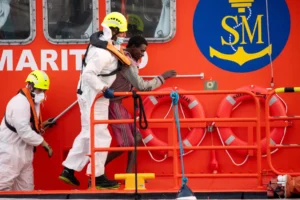
El Hierro, which has a population of approximately 12,000, has become a major entry point for migrants travelling from West Africa in search of better economic opportunities and safety in Europe.
Clavijo said the island was struggling to accommodate the large number of exhausted arrivals and called on other Spanish regions to assist with the reception and care of unaccompanied migrant children.
He also criticised attempts to portray migrants as a threat, warning against the use of anti-immigration rhetoric for political purposes.
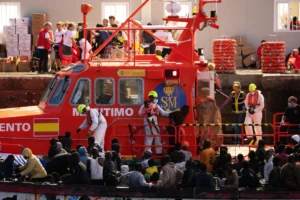
The surge comes as Spain prepares for a national election, with migration emerging as a major issue in political campaigns. The conservative Popular Party is seeking to unseat the governing Socialist-led administration, while the far-right Vox party has made tougher immigration policies a central part of its campaign.
Prime Minister Pedro Sánchez has defended the need for a balanced migration policy, calling for stronger cooperation with African countries to tackle irregular crossings while also advocating legal migration routes to address labour shortages in Spain.
The Canary Islands have for years served as a major gateway into Europe for migrants departing from countries including Senegal, The Gambia and Mauritania.

The Atlantic crossing is considered one of the world’s most dangerous migration routes, with travellers frequently embarking on journeys lasting several days in overcrowded wooden boats with limited food, water and safety equipment.
Although the islands are relatively close to the African coast geographically, some migrants take longer routes to avoid maritime security patrols, increasing their exposure to rough seas, strong currents and the risk of becoming stranded in the open Atlantic.
Spanish authorities recorded more than 26,000 arrivals in the Canary Islands this year by the time of the latest reports, with approximately half occurring in November alone.
The previous daily record was recorded on November 7, when approximately 1,400 migrants reached Gran Canaria. Another higher figure of around 1,580 was reported on November 14, before Tuesday’s surge.
The increase has renewed concerns about the capacity of island authorities to provide emergency accommodation, healthcare and protection for vulnerable arrivals, particularly unaccompanied children.
While Spain continues to work with African governments and European partners to reduce dangerous irregular crossings, the latest arrivals highlight the persistent economic and humanitarian pressures driving people to risk their lives in search of a better future.