
International
Yayoi Kusama, Queen of Polka Dots, Dies at 97 in Tokyo

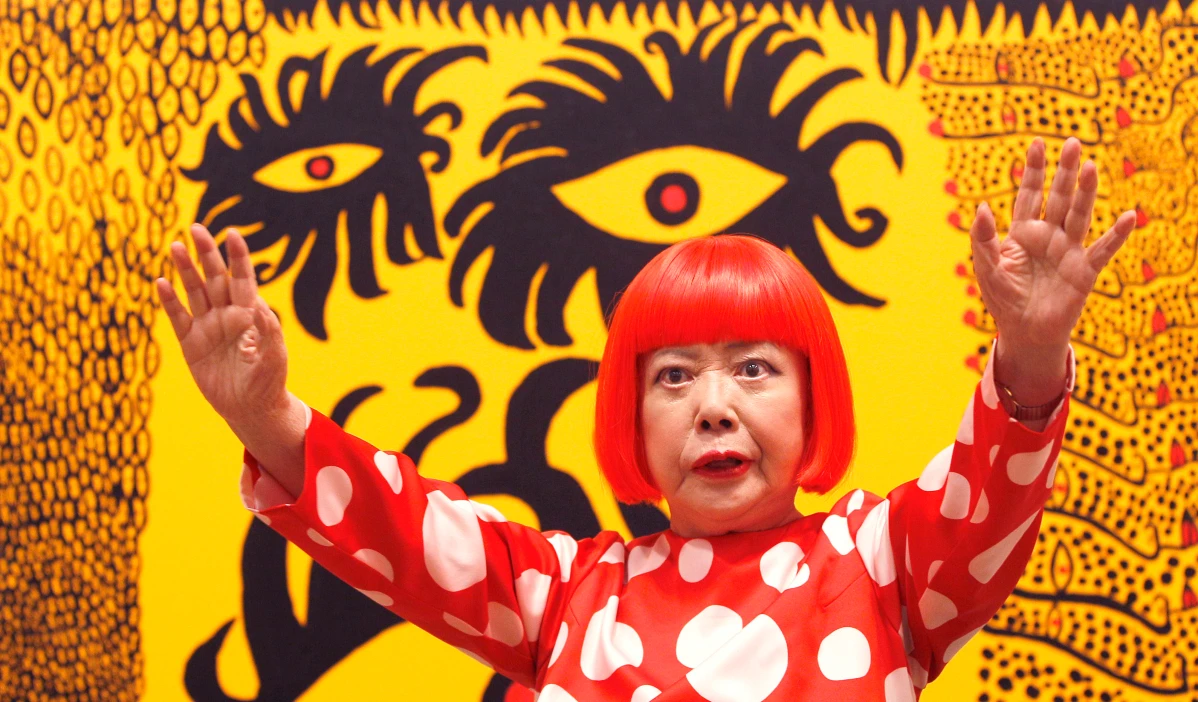
Yayoi Kusama, the pioneering Japanese artist whose distinctive polka dots, pumpkins and immersive mirrored installations transformed contemporary art, has died at the age of 97.
Kusama died on August 14, 2026, at a hospital in Tokyo, according to a statement released by her studio on Thursday. The statement did not disclose the cause of death.
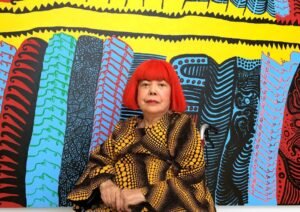
Her death marks the end of an extraordinary career spanning more than seven decades and stretching from Japan’s post-war art scene to the international galleries and museums that made her one of the most recognisable artists of the modern era.
Born in Matsumoto, Japan, in 1929, Kusama began creating art at a young age. Her work was strongly influenced by recurring visions and patterns she experienced, which later became central to her artistic language of repetition, dots and infinity.
In 1957, she left Japan for the United States and settled in New York, where she became involved in the city’s avant-garde art movement. Her early “Infinity Net” paintings; large canvases covered with repeated patterns, helped establish her reputation among artists and critics.

Kusama later expanded her work into sculpture, performance art and large-scale installations. Her famous “Infinity Mirror Rooms”, which use mirrors, lights and repeated objects to create the illusion of endless space, eventually became among the world’s most popular contemporary art experiences.
Her polka-dot-covered pumpkins also became instantly recognisable symbols of her work, appearing in exhibitions around the world.
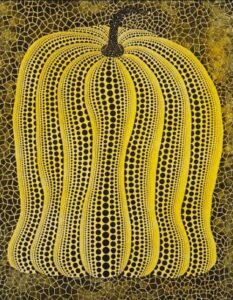
Kusama’s influence extended beyond traditional galleries. Her brightly coloured installations became particularly popular with a new generation of museum visitors and social media users, helping turn her work into a global cultural phenomenon.
Despite periods when her work received little attention from the mainstream art establishment, Kusama continued producing art. Her reputation grew dramatically in later decades, with major exhibitions and international collaborations bringing her work to millions of people.

She also became a highly successful commercial artist, collaborating with fashion and luxury brands including Louis Vuitton. Her career earned her major honours, including Japan’s Order of Culture.
Kusama returned to Japan in 1973 and spent much of her later life living voluntarily in a psychiatric hospital in Tokyo while continuing to work from a nearby studio. Her studio said she continued painting until her final days.
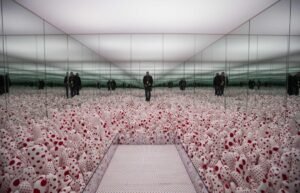
Her work, meanwhile, continued to command major international attention. Paintings, sculptures and installations by Kusama have been exhibited at leading institutions including the Museum of Modern Art and the Whitney Museum of American Art.
Kusama’s story was also one of perseverance. She transformed deeply personal experiences into a visual language that crossed cultural and artistic boundaries, turning simple dots and repeated forms into explorations of infinity, identity and existence.
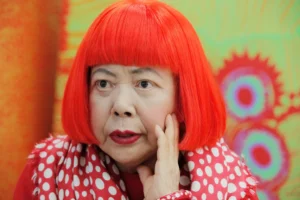
With her death, the contemporary art world loses one of its most distinctive and influential figures; an artist who made the polka dot not merely a pattern, but a global artistic signature.
Her legacy will live on through the countless paintings, sculptures, pumpkins and Infinity Mirror Rooms that continue to draw audiences around the world.