General News
20m Children Sexually Exploited Online, Fewer Than 1% Report Abuse – UNICEF

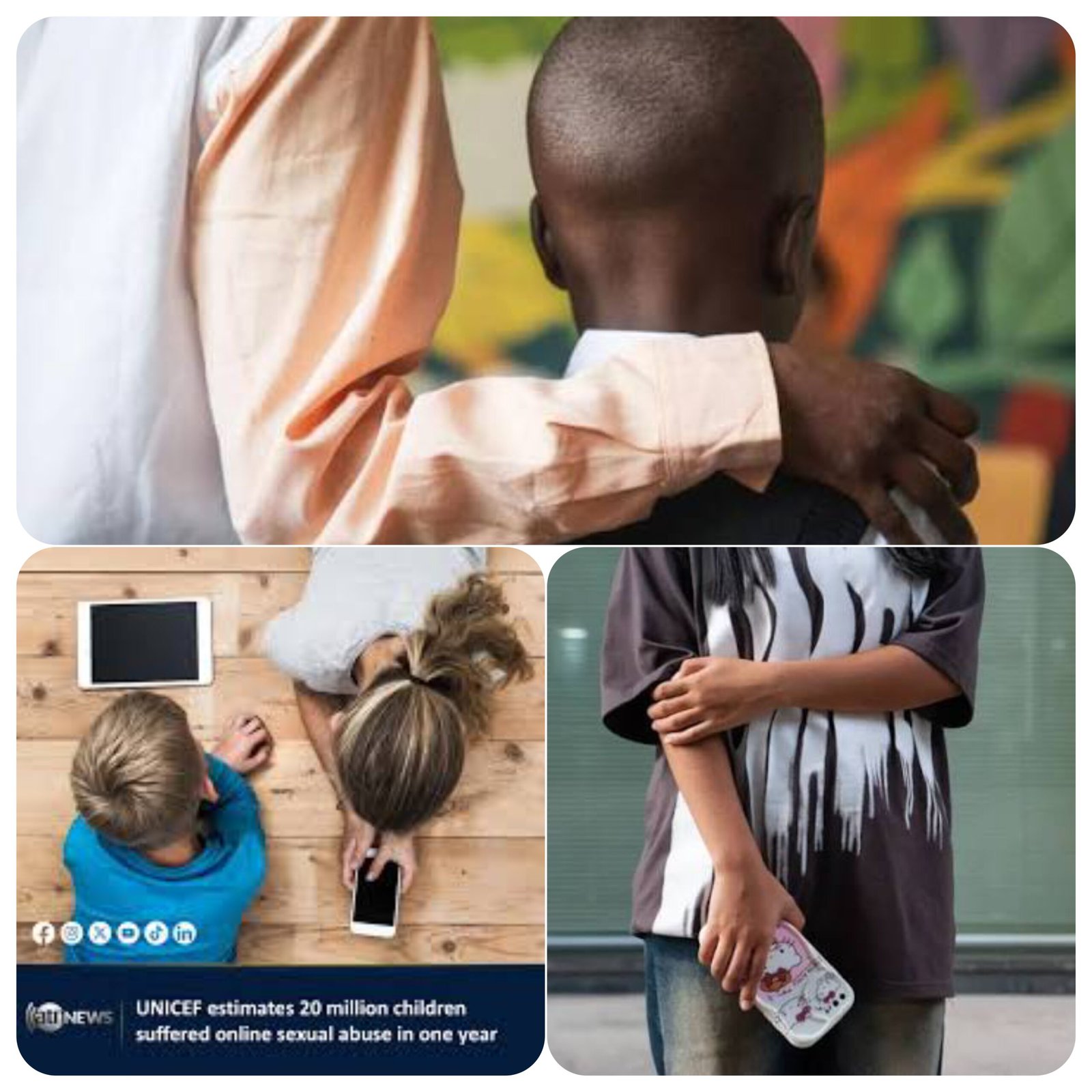
More than 20 million children aged 12 to 17 across 21 countries have experienced technology-facilitated sexual exploitation, with fewer than one per cent of cases reported to authorities, the United Nations Children’s Fund (UNICEF) has revealed.
The disturbing findings were contained in a report released on Thursday, which found that about one in five children surveyed had experienced online sexual exploitation or abuse.

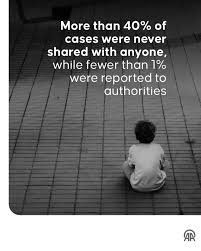
UNICEF said the scale of the abuse was compounded by widespread under-reporting, with more than 40 per cent of cases never disclosed by victims.
The agency said children often remained silent because they were uncertain about whom to tell or where to seek help.
According to the report, nearly 60 per cent of recorded cases occurred on social media platforms, including Facebook, Instagram, Snapchat, TikTok and WhatsApp.
More than 15 million children were exposed to unwanted sexual content, while about nine million were pressured into sexual conversations or to share sexual images.
Another four million had sexual images of themselves shared without their consent.
UNICEF Executive Director, Catherine Russell, said the findings exposed the “painful reality” of children being sexually exploited in the same digital spaces where they learn, play and maintain relationships.
The report found that online games accounted for 14 per cent of recorded exploitation cases, with perpetrators sometimes using gaming features to establish trust with children.

It also revealed that 38 per cent of children first encountered their perpetrators online, while anonymity features on digital platforms could facilitate abuse.
In Montenegro, more than 80 per cent of reported exploitation cases involved social media platforms.
UNICEF said the perpetrators were not always strangers. Across the 21 countries studied, 57 per cent of cases involved people known to the children, including peers, friends and family members.
The consequences for victims were also severe.
Children interviewed by researchers described feelings of fear, shame, confusion and isolation, as well as lasting effects on their emotional wellbeing, sense of safety and ability to trust others.
UNICEF further found that children who experienced technology-facilitated sexual exploitation were four times more likely to report suicidal thoughts, suicidal behaviours and self-harm.
The report also recorded significantly higher levels of anxiety among affected children, while exploited children in Pakistan faced more than seven times the risk of self-harm compared with their peers.
Russell warned that the findings should prompt urgent action from governments and technology companies to strengthen safeguards for children online.

She said many children were suffering in silence because they did not know where to turn for assistance.
UNICEF called for stronger measures to prevent online sexual exploitation, improve reporting mechanisms and ensure that children have accessible channels through which they can seek protection and support.
The agency also urged governments, technology companies and other stakeholders to take greater responsibility for creating safer digital environments for children.