
International
Church Split Looms as Conservative Anglicans Announce Rival Leadership Structure

A group of conservative Anglican leaders has announced plans to establish an alternative leadership structure, challenging the traditional authority of the Archbishop of Canterbury and deepening divisions within the global Anglican Communion.
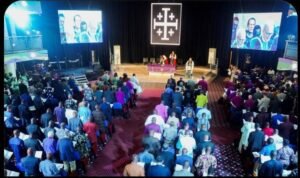
The development emerged during a gathering of conservative Anglican bishops and clergy in Abuja, Nigeria, organized by the Global Anglican Future Conference (GAFCON), a coalition of churches largely based in Africa and Asia.
During the meeting, delegates agreed to create a new governing body known as the Global Anglican Council, which will provide collective leadership for member churches rather than relying on the historic role of the Archbishop of Canterbury as the symbolic head of the Anglican Communion.
Archbishop Laurent Mbanda of Rwanda was elected chairman of the new council, marking a significant shift in how conservative Anglicans intend to organise their global movement.
The move comes amid longstanding tensions within the Anglican Church over theological and social issues, including the ordination of women and the acceptance of LGBTQ+ clergy and same-sex relationships. Conservative churches, particularly in Africa and Asia, have opposed what they describe as liberal changes adopted by some Western Anglican provinces.
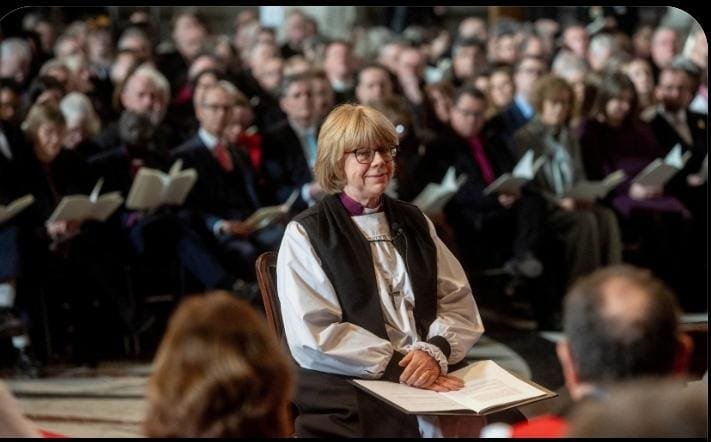
The controversy intensified following the appointment of Sarah Mullally as the first woman to lead the Church of England in the historic role of Archbishop of Canterbury. Her elevation has been welcomed in many parts of the Anglican world but strongly criticised by conservative factions.
Despite the creation of the new council, GAFCON leaders insist they are not breaking away from the Anglican Communion. Instead, they say the initiative aims to “reorganise and realign” the global church around what they describe as traditional biblical teachings.
The move highlights a deepening divide within the Anglican Communion, which consists of dozens of autonomous churches worldwide and has historically been united symbolically under the leadership of the Archbishop of Canterbury.

