Politics
Jimoh Ibrahim Declares Tinubu’s Economic Reforms Irreversible, Assures Nigerians will Soon Reap Benefits

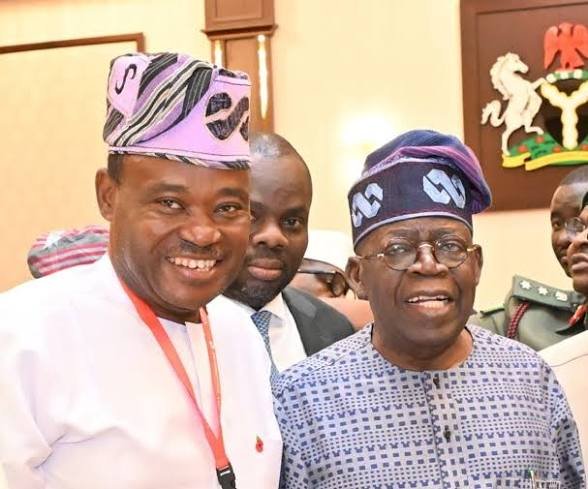
Nigeria’s Ambassador and Permanent Representative to the United Nations, Jimoh Ibrahim, has declared that President Bola Ahmed Tinubu will not reverse the administration’s ongoing economic reforms despite the current hardships being experienced by citizens, assuring that Nigerians will soon begin to reap the full benefits of the policies.
Ibrahim made the declaration while speaking at a parliamentary session on the sidelines of the ongoing IMF/World Bank Spring Meetings held in Washington, DC. He stressed that the reforms, though painful in the short term, are absolutely indispensable for the country’s long-term growth and national prosperity. According to the envoy, President Tinubu’s economic agenda is designed to reposition Nigeria for sustainable development and global competitiveness.
In his address, Ibrahim said, “President Bola Tinubu introduced reforms that will make Nigeria great. These policies may come with short-term pains, but they are indispensable for growth and economic development.” He further emphasised that the administration remains firmly committed to staying the course, adding that no amount of current economic pressure would force a reversal of the policies.
The ambassador also linked global economic stability to ongoing geopolitical tensions, particularly those involving Iran and the strategic Strait of Hormuz. He warned that disruptions in that region could trigger severe consequences for the world economy, noting that over 25 per cent of the world’s seaborne oil, estimated at more than 20 million barrels per day, and about 20 per cent of liquefied natural gas pass through the corridor. According to him, major economies including China, India, Japan and South Korea would be severely affected by any escalation, which could complicate global economic planning and worsen development challenges.
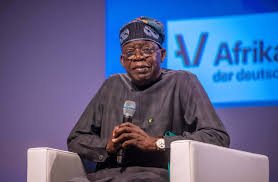
On the domestic front, Ibrahim reaffirmed the Federal Government’s commitment to sustaining the reforms and called for stronger legislative backing to help cushion the impact on citizens. He urged closer collaboration between the executive and the legislature, stressing that the law must reflect the current economic realities. He said, “The law must reflect the situation, while action and strategy must come from proper situational diagnosis. Parliament is not an exception to modern global realities.”
The UN representative further advised global lawmakers to adopt cooperative frameworks similar to Nigeria’s parliamentary model under Senate President Godswill Akpabio, noting that such synergy is crucial in tackling poverty and economic hardship. He also called for stronger international cooperation among parliamentarians, insisting that global peace remains essential for sustainable development and effective economic planning.
At the close of the session, Ibrahim bid farewell to his colleagues at the parliamentary forum, expressing appreciation for the relationships built over the years. He disclosed that he would be stepping down from parliamentary duties following his recent appointment by President Tinubu as Nigeria’s Ambassador Extraordinary and Plenipotentiary to the United Nations, marking a new chapter in his global diplomatic service career.