
World News
Iran Warns Peace Talks at Risk Following Israeli Airstrikes on Beirut

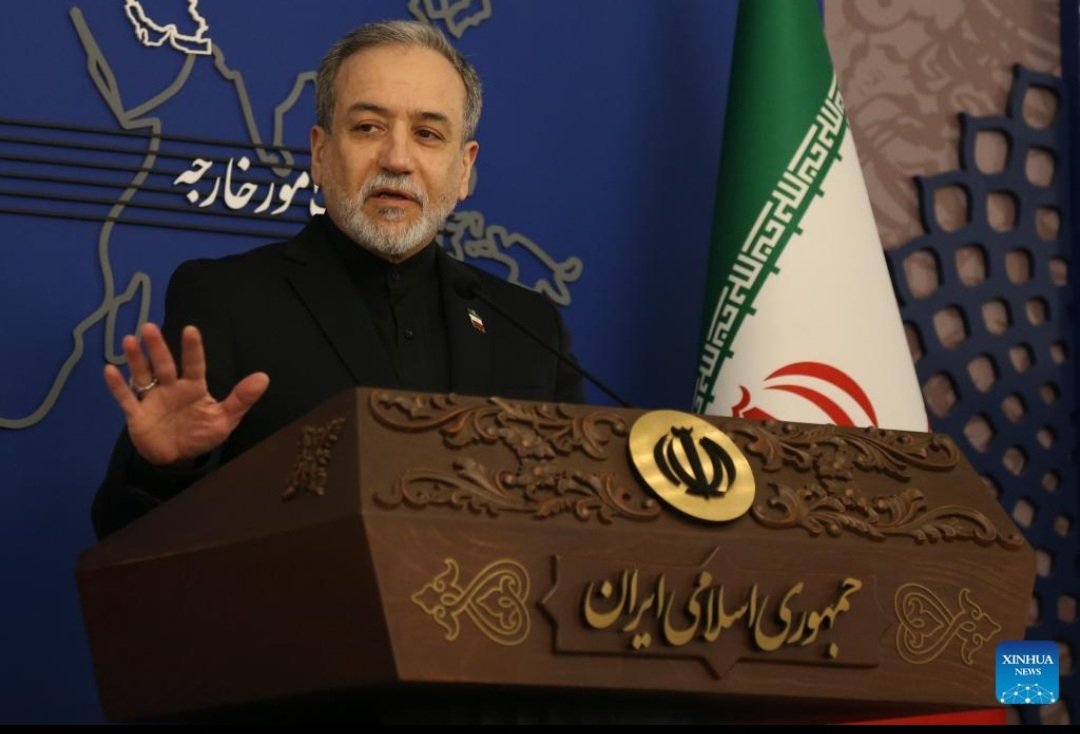
Iran has cast doubt on the United States’ commitment to ongoing peace efforts in the Middle East following fresh Israeli airstrikes in Lebanon, warning that the attacks could undermine delicate diplomatic negotiations aimed at easing regional tensions.

The criticism came after Israeli forces launched strikes on Hezbollah-linked targets in southern Beirut and other areas of Lebanon. According to reports, the attacks killed several people and prompted renewed exchanges of fire between Hezbollah and Israeli forces, raising fears of a broader escalation.
Iranian officials argued that the strikes call into question Washington’s ability or willingness to restrain its ally, Israel, at a time when the United States and Iran are reportedly close to reaching a framework agreement designed to reduce tensions, reopen the Strait of Hormuz, and address concerns over Iran’s nuclear programme.
Mohammad Baqer Qalibaf, one of Iran’s top political figures and a key negotiator, said the latest attacks demonstrated that peace negotiations risk becoming meaningless if military operations continue unchecked. Iranian leaders have repeatedly maintained that any lasting agreement with Washington must include an end to hostilities involving Lebanon and the Iran-backed Hezbollah movement.
Despite the tensions, U.S. officials have expressed optimism that a broader understanding with Tehran remains within reach. Reports indicate that discussions have focused on sanctions relief, the release of frozen Iranian assets, and measures intended to prevent Iran from developing nuclear weapons.
The latest violence has nevertheless heightened concerns that renewed fighting between Israel and Hezbollah could derail diplomatic progress. Iran has previously warned that continued Israeli military action in Lebanon could trigger retaliation and complicate efforts to secure a wider regional settlement.
Analysts say the situation underscores the fragile nature of the ongoing negotiations, with developments on the ground in Lebanon increasingly tied to the success or failure of broader peace initiatives involving Iran, the United States, Israel, and regional actors.