
International
Lebanese Families Return to Ruins Amid Fragile Peace Following U.S.-Iran Agreement

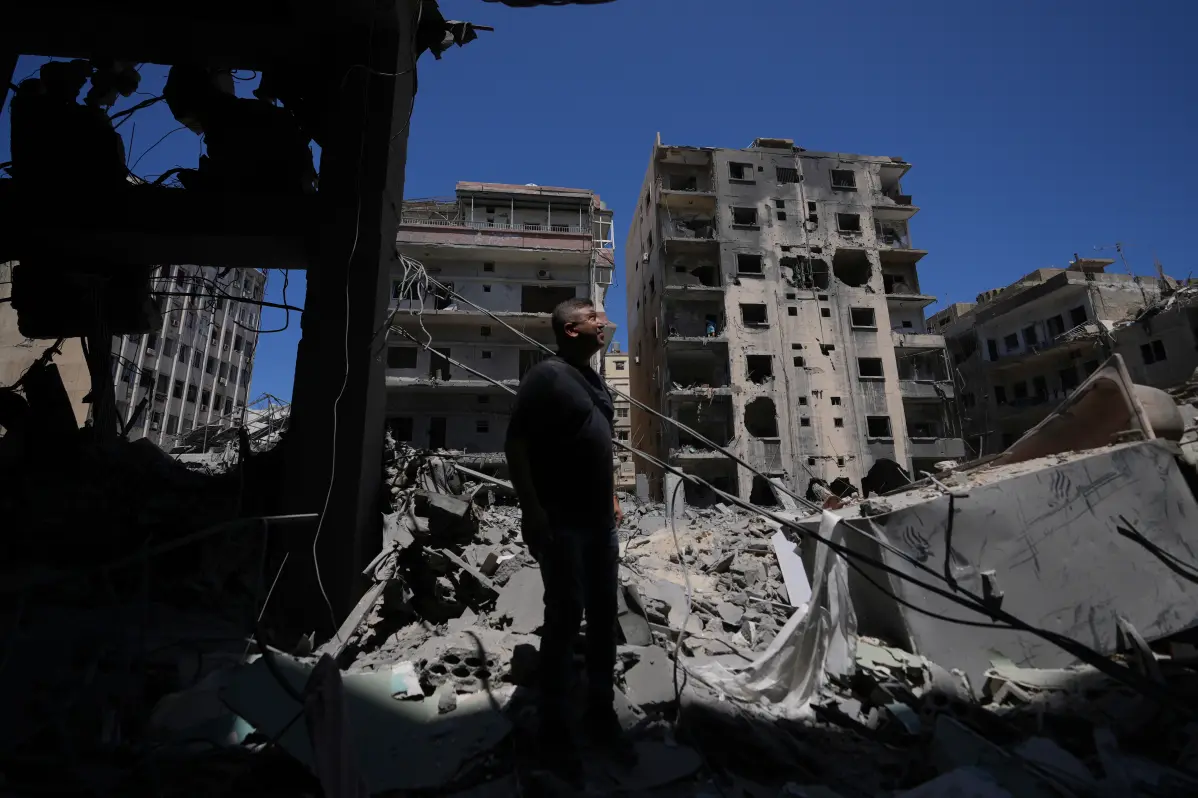
Residents of southern Lebanon have begun returning to their homes following the announcement of a U.S.-Iran agreement aimed at ending months of conflict across the Middle East, bringing with them a mixture of hope, grief and uncertainty about the future.
In the coastal city of Tyre and other communities near the Israeli border, displaced families returned to inspect homes, businesses and neighborhoods that have been heavily damaged by months of fighting between Israel and the Iran-backed Hezbollah movement. While some residents expressed optimism that the diplomatic breakthrough could mark the beginning of lasting peace, others were confronted with scenes of widespread destruction and personal loss.
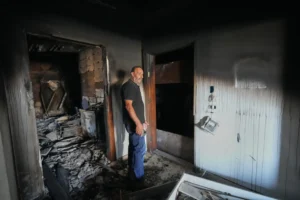
Among those returning was Adnan Kaour, who found his family apartment overlooking the Mediterranean badly damaged after recent Israeli airstrikes. Other residents discovered burned homes, shattered windows and streets filled with debris as communities began the difficult process of recovery.
The U.S.-Iran agreement, signed earlier this week, includes provisions intended to halt hostilities across several fronts, including Lebanon. However, uncertainty remains over how the deal will be implemented on the ground, particularly because neither Israel nor Hezbollah is a direct signatory to the accord. Analysts warn that the success of the agreement will depend largely on whether the parties involved adhere to the ceasefire arrangements in the coming weeks.
Despite the announcement, reports of continued violence have raised concerns about the durability of the truce. Lebanese state media reported fresh Israeli drone strikes in southern Lebanon on Thursday, underscoring the fragile nature of the current calm. Israeli officials have also indicated that troops will remain in parts of southern Lebanon for security reasons, a position that has drawn criticism from Iran and Hezbollah.
The humanitarian toll of the conflict remains severe. Lebanese authorities estimate that nearly 3,900 people have been killed and more than one million displaced since the fighting intensified earlier this year. Entire villages near the border have been devastated, leaving many families unsure whether they will be able to rebuild or safely return home.
In Beirut, many displaced residents living in temporary shelters said they remain cautious about celebrating the agreement. Some expressed skepticism after previous ceasefires failed to stop the violence, insisting that true peace can only be measured when families are able to return home permanently and reconstruction begins in earnest.
Lebanon’s Social Affairs Minister, Haneen Sayed, said the country faces both urgent humanitarian challenges and the enormous task of rebuilding war-damaged communities. She emphasized that Lebanese citizens deserve peace, security and the opportunity to restore their lives after months of conflict.
For now, residents returning to southern Lebanon find themselves caught between relief that the fighting may be easing and sorrow over what has been lost. As reconstruction efforts begin and diplomatic negotiations continue, many hope the latest agreement will succeed where previous attempts have failed and provide a pathway to lasting stability in the region.