
International
Lawmakers Move to Limit Trump’s Iran War Authority in Rare Congressional Vote

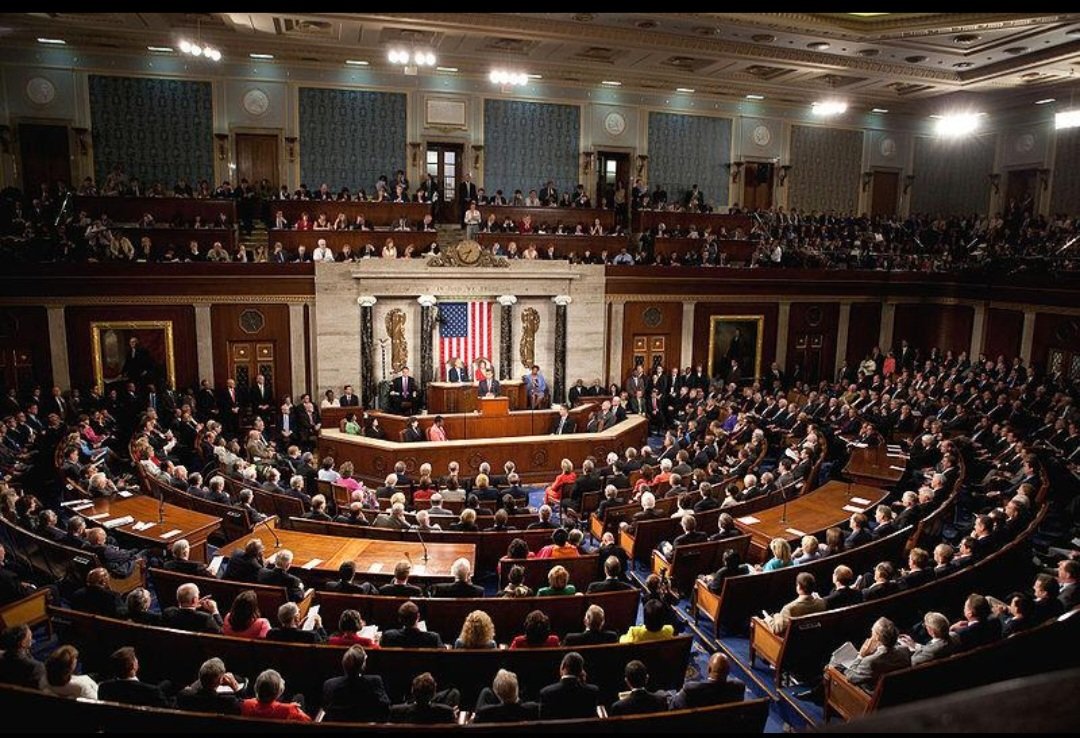
In a historic assertion of congressional authority over military action, the U.S. Congress has passed a war powers measure aimed at limiting President Donald Trump’s ability to continue military operations against Iran without explicit approval from lawmakers.
The resolution marks one of the most significant challenges to presidential war-making powers in recent years and reflects growing concerns among lawmakers about the expanding scope of U.S. involvement in the Middle East. The measure seeks to reaffirm Congress’s constitutional authority to declare war and requires the administration to obtain legislative approval before engaging in prolonged military action against Iran.
The vote came after weeks of heightened tensions between Washington and Tehran, following a series of military strikes and retaliatory actions that raised fears of a broader regional conflict. Supporters of the resolution argued that Congress had a constitutional responsibility to ensure that any major military engagement receives democratic oversight and public accountability.
“This is not about politics; it is about the Constitution,” one lawmaker said during debate on the House floor. “The decision to send American forces into sustained conflict must not rest solely with the executive branch.”
The Trump administration has defended its actions, arguing that the president possesses the authority to respond to threats against U.S. personnel, interests, and allies. White House officials maintained that recent military operations were necessary to deter Iranian aggression and protect American national security.
Critics, however, warned that continued military escalation without congressional authorization risks drawing the United States into another prolonged conflict in the Middle East. Several lawmakers from both parties expressed concern that the administration’s approach could increase instability in the region and place U.S. troops at greater risk.
Political analysts described the vote as a rare bipartisan effort to reclaim congressional oversight of military operations. While Congress has periodically invoked the War Powers Resolution since its enactment in 1973, successful efforts to restrict presidential military authority have been uncommon.
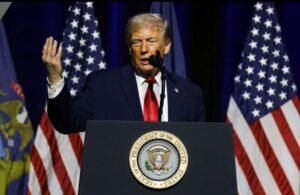
The resolution’s ultimate impact remains uncertain. The White House is expected to challenge any attempt to limit the president’s authority as commander-in-chief, and legal questions surrounding the separation of powers could lead to further political and judicial battles.
Internationally, the vote is being closely watched by U.S. allies and adversaries alike, as it may influence future American military strategy and diplomatic efforts in dealing with Iran. Analysts say the measure sends a signal that lawmakers are increasingly wary of unchecked military escalation and are seeking a greater role in decisions that could lead to war.
The development underscores the continuing debate in Washington over the balance of power between Congress and the presidency, particularly when it comes to matters of war, national security, and foreign policy.