
International
Mamdani Emerges as Democratic Power Broker After New York Primary Sweep

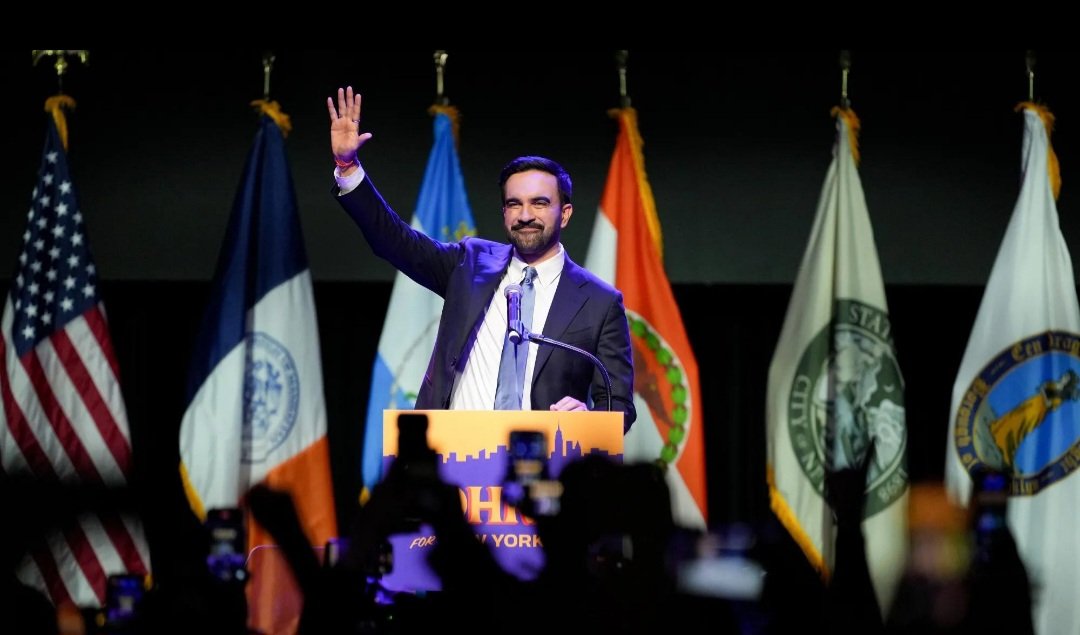
A series of stunning primary victories by candidates backed by New York City Mayor Zohran Mamdani has triggered intense debate within the Democratic Party, with supporters hailing the results as a political revolution and critics warning against reading too much into what they describe as a uniquely New York phenomenon.
Mamdani scored a major political victory this week after all three congressional candidates he endorsed defeated establishment-backed rivals in New York Democratic primaries. The results included the defeat of two sitting members of Congress and a victory in a closely watched open-seat contest, marking one of the most significant progressive breakthroughs in recent Democratic Party politics.
Among the biggest upsets was activist Darializa Avila Chevalier defeating incumbent Congressman Adriano Espaillat. Former New York City Comptroller Brad Lander unseated Representative Dan Goldman, while State Assembly Member Claire Valdez won a competitive race for an open congressional seat. All three candidates are aligned with progressive causes and maintain ties to the Democratic Socialists of America.
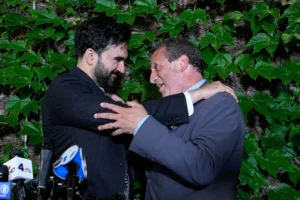
Political observers described the outcome as a “political earthquake” because it delivered a direct blow to Democratic Party leaders and establishment figures who had backed rival candidates. The victories further solidify Mamdani’s growing influence after his surprise mayoral victory last year and suggest that his political movement has expanded beyond City Hall into congressional politics.
Supporters argue the results reflect growing voter frustration with traditional Democratic politics. Independent Senator Bernie Sanders praised the victories, saying voters are increasingly rejecting establishment politics and demanding leaders willing to challenge corporate interests and pursue ambitious reforms. Progressive groups also pointed to the results as evidence that grassroots campaigns can succeed without relying heavily on traditional political power structures.
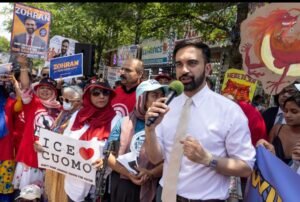
Many of the victorious candidates campaigned on issues such as universal healthcare, affordable housing, workers’ rights, and reducing U.S. support for Israel’s military operations in Gaza. Their success highlights the growing strength of the Democratic Party’s progressive wing, particularly among younger voters and urban constituencies.
However, moderate Democrats have urged caution. Several party leaders argued that New York City’s political environment differs significantly from many battleground states where Democrats must appeal to more centrist voters. Some lawmakers warned that policies popular in deep-blue districts may not translate into broader national electoral success.
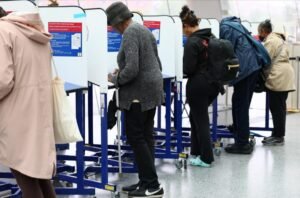
The victories have also intensified debate over the future direction of the Democratic Party. Progressive activists see the results as proof that voters are ready for a more left-leaning agenda, while moderates fear the party could become vulnerable in competitive districts if it moves too far from the political center.
Analysts say the primary results could influence Democratic strategies ahead of the 2026 midterm elections and the 2028 presidential race. The outcome is expected to encourage progressive challengers in other parts of the country while forcing party leaders to confront questions about ideology, voter enthusiasm, and the balance between grassroots activism and establishment politics.
Whether the New York results represent a localized political shift or the beginning of a broader national trend remains uncertain. What is clear, however, is that Mamdani has emerged as one of the most influential progressive figures in American politics, and his movement is increasingly shaping conversations about the Democratic Party’s future.