
International
German Court Jails Christmas Market Attacker for Life Over Murder of Six People

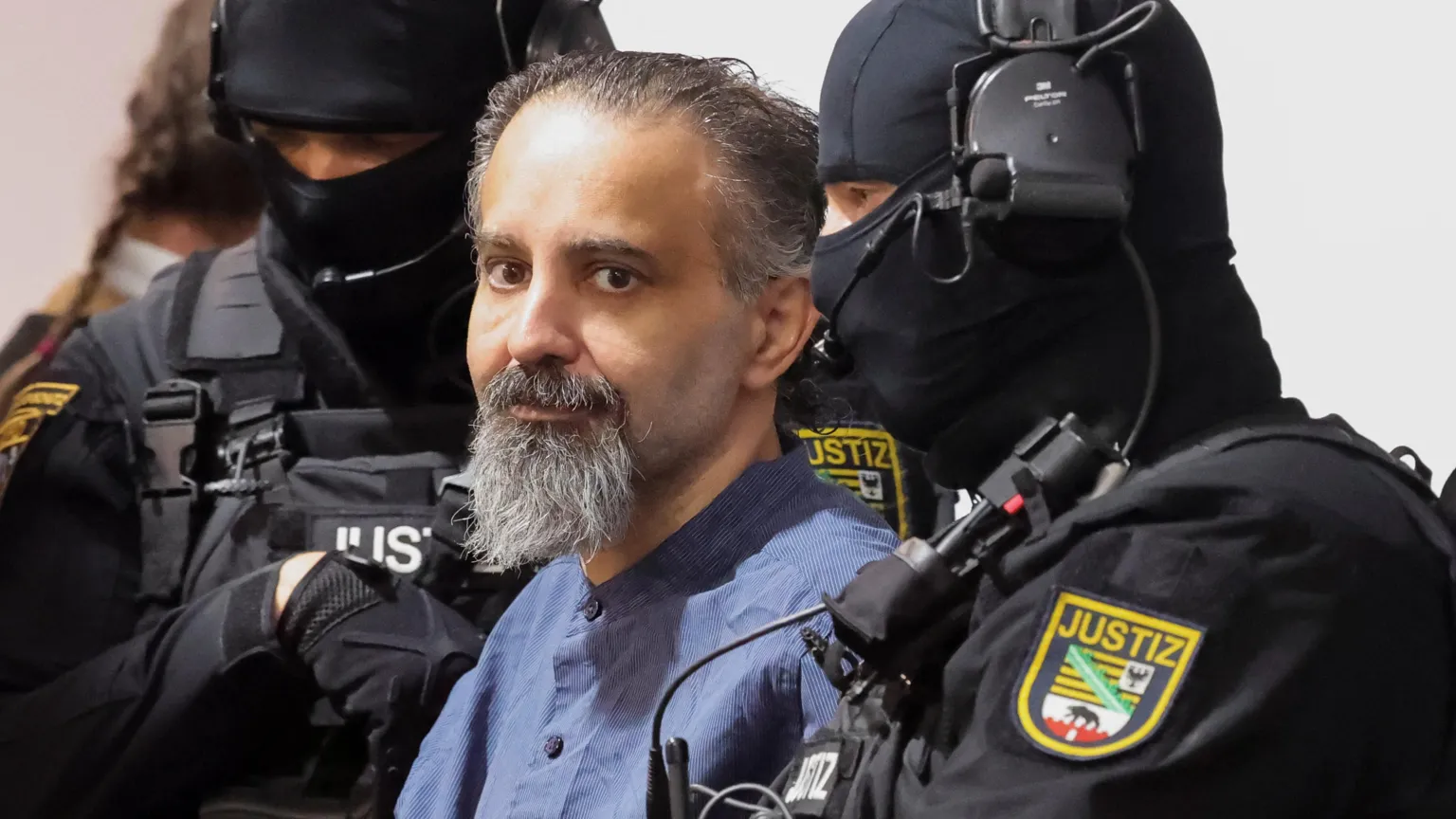
A German court has sentenced the man responsible for the deadly attack on a Christmas market in the eastern city of Magdeburg to life imprisonment, bringing a major chapter of one of Germany’s most shocking recent crimes to a close. The ruling follows months of court proceedings surrounding an attack that killed six people and injured hundreds more in December 2024.
The convicted attacker, 51-year-old Saudi-born psychiatrist Taleb al-Abdulmohsen, was found guilty of six counts of murder and hundreds of attempted murders after deliberately driving a rented SUV through crowds gathered at the Christmas market on December 20, 2024. The attack lasted little more than a minute but left devastation in its wake.
According to prosecutors, the vehicle sped through the crowded market at up to 48 kilometers per hour (30 mph), striking dozens of people as visitors enjoyed holiday festivities. Among those killed were five women aged between 45 and 75 and a nine-year-old boy. More than 300 people suffered injuries, many of them severe.
The Regional Court in Magdeburg ruled that the crime carried “particular severity of guilt,” a designation under German law that significantly reduces the possibility of early release. While life sentences in Germany can allow parole consideration after 15 years, the court’s finding means the attacker is unlikely to be freed after that period. Judges also reserved the possibility of preventive detention after his prison term if authorities determine he remains a danger to society.
During the trial, prosecutors argued that the attack was carefully planned and motivated by personal grievances rather than direct ties to a terrorist organization. Investigators concluded that the defendant acted alone and was not under the influence of alcohol or drugs at the time of the attack. Authorities said he had become increasingly frustrated by legal disputes and unsuccessful complaints filed with German institutions.

The case drew widespread attention because the suspect did not fit the typical profile associated with extremist attacks in Europe. Although born in Saudi Arabia and granted asylum in Germany after arriving in 2006, he publicly described himself as an ex-Muslim and frequently expressed anti-Islam views. Investigators also noted his support for far-right political positions and conspiracy theories on social media.
Throughout the proceedings, the defendant displayed erratic behavior. Court officials reported repeated disruptions, emotional outbursts, and periods during which he refused to participate in hearings. At one point, he reportedly undertook a hunger strike. Psychiatric evaluations diagnosed him with a narcissistic personality disorder but determined that he was fully criminally responsible for his actions.
Because of the extraordinary number of victims, relatives, and legal representatives involved, German authorities established a specially designed courtroom capable of accommodating the large number of participants. Survivors and families of the victims attended much of the trial, many seeking accountability and closure after a tragedy that shocked the nation.

The attack reignited national debates about immigration, public security, and the monitoring of individuals who display threatening behavior online. German authorities acknowledged that Saudi Arabia had previously shared concerns regarding the suspect, though officials maintained that available information at the time did not clearly indicate an imminent threat.
The Magdeburg attack became one of the most politically significant incidents in Germany in recent years, influencing public discussions ahead of national elections and prompting renewed scrutiny of security measures at public events. The tragedy also led to increased protection at Christmas markets and other large gatherings across the country.
With Friday’s verdict, German authorities hope the sentence provides some measure of justice for the victims and their families. However, for many survivors still coping with physical and psychological trauma, the impact of the attack is likely to endure long after the courtroom proceedings have ended.