
International
Dangerous Weather Fuels Wildfires Across Western U.S., Forces Fireworks Bans Ahead of July 4

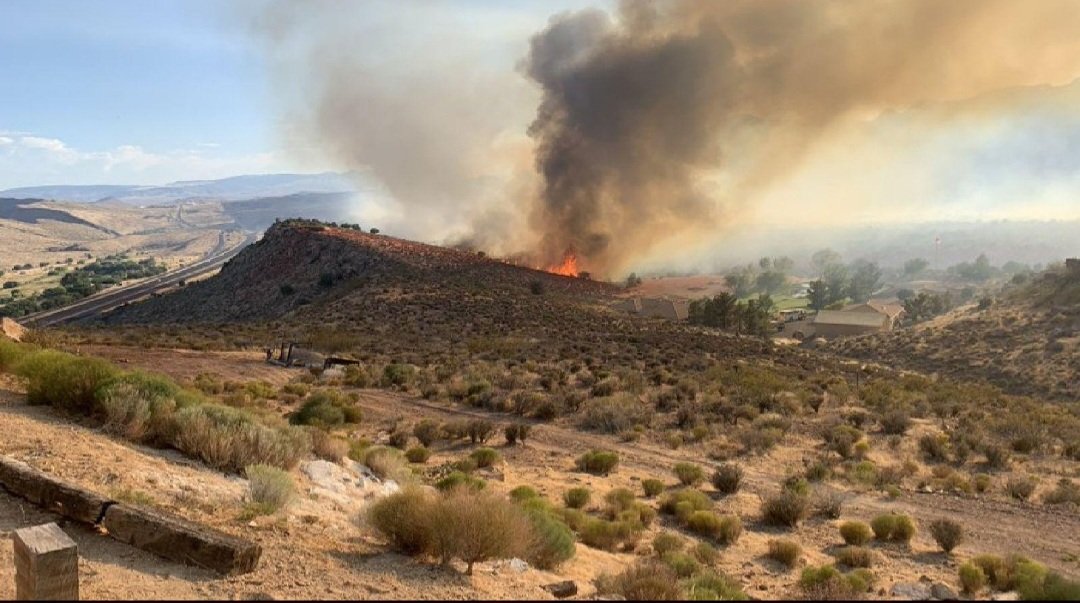
Dangerous weather conditions across the western United States are complicating wildfire-fighting efforts and prompting authorities to impose fireworks restrictions ahead of the Independence Day holiday, as officials warn that even a small spark could ignite a major blaze.
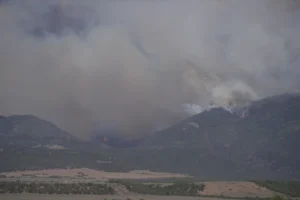
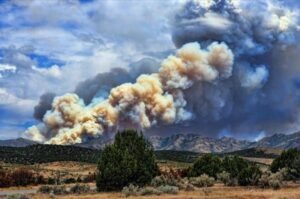
At the center of the crisis is Utah’s rapidly expanding Cottonwood Fire, currently the largest active wildfire in the United States. The blaze has scorched more than 112 square miles (290 square kilometers) of land in southern Utah, forcing evacuations, damaging property, and triggering a statewide emergency declaration.
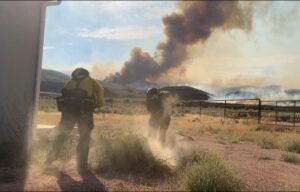
Firefighters battling the Cottonwood Fire are confronting a dangerous combination of intense heat, powerful winds, and extremely low humidity.
According to fire officials, wind gusts reached as high as 45 mph (72 km/h), while humidity levels dropped into the single digits. These conditions have allowed flames to spread rapidly through forests and grasslands, creating what experts describe as “extreme fire behavior.”
The severe weather has also limited firefighting options. Air tankers and helicopters that normally help suppress large fires were grounded because of dangerous flying conditions, leaving crews with fewer tools to slow the advancing flames.
Officials reported that the fire has severely damaged parts of the Eagle Point ski resort and forced residents in nearby communities, including Marysvale, to remain on high alert. Smoke and ash from the fire have spread across large areas, with the smoke plume visible as far away as Colorado.
In response to the worsening situation, Utah Governor Spencer Cox declared a state of emergency and authorized temporary fireworks restrictions across the state through July 5.
The move comes as Americans prepare for Fourth of July celebrations, a period often associated with increased wildfire risk due to personal fireworks.
State officials noted that the majority of Utah’s wildfires this year have been caused by human activity, making prevention efforts especially critical during the holiday period.
Governor Cox described the current fire conditions as extraordinary and warned that the state cannot afford additional human-caused ignitions while firefighters are already stretched thin.
The wildfire threat extends far beyond Utah.
The National Weather Service has issued widespread Red Flag Warnings across a vast region stretching from Idaho through Arizona and New Mexico. These warnings indicate weather conditions that can rapidly spread wildfires and make them difficult to control.
More than 14 million people are reportedly living under fire weather alerts, with some regions facing a rare “Particularly Dangerous Situation” warning due to the combination of drought, wind, and heat.
National parks including Grand Canyon National Park, Zion National Park, and Bryce Canyon National Park have all been affected by elevated fire danger.
Utility companies are also taking precautions.
Officials at Grand Canyon National Park warned visitors about potential power outages after utility providers considered public safety shutoffs designed to reduce the likelihood of electrical equipment sparking new fires.
Meanwhile, Rocky Mountain Power issued warnings for possible power shutoffs across parts of central, southern, and eastern Utah as dangerous weather conditions continue.
Such preventive blackouts have become increasingly common in wildfire-prone regions of the western United States, particularly during periods of extreme wind and drought.
Wildfire experts warn that the current conditions could signal a particularly severe fire season.
Nearly three million acres have already burned across the United States this year, exceeding the national ten-year average for this point in the season. Persistent drought conditions affecting Utah, Arizona, Colorado, and New Mexico have left vegetation exceptionally dry and vulnerable to ignition.
Meteorologists say the risk is likely to remain elevated as long as hot, dry, and windy conditions persist across the region.
Authorities are urging residents and visitors alike to avoid activities that could create sparks, including personal fireworks, unattended campfires, and equipment use in dry vegetation areas.
With the Fourth of July holiday approaching and weather forecasts indicating continued fire danger, emergency officials remain on high alert.
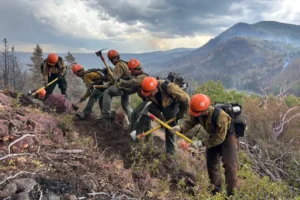
Fire crews continue working to contain the Cottonwood Fire and other active blazes across the West, but officials stress that public cooperation may prove just as important as firefighting efforts in preventing new disasters.
As one fire spokesperson warned, under current conditions, a single spark can quickly become a major wildfire.