
Africa
South African Cities Shut Down Ahead of Anti-Migrant Protests Amid Fears of Violence

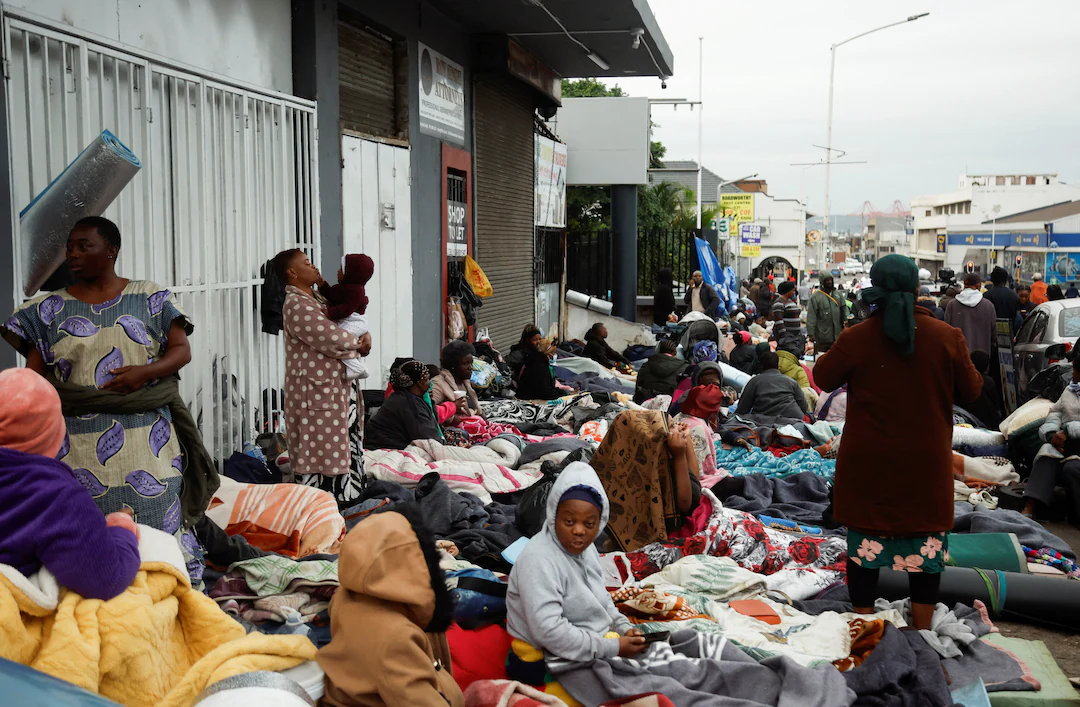
Several South African cities came to a near standstill on Tuesday as authorities, businesses and residents prepared for nationwide anti-migrant protests that have sparked fears of widespread violence and renewed xenophobic attacks. Shops closed their doors, public transport services were disrupted, schools suspended activities in some areas and many workers stayed home as police and security forces intensified deployments across the country.
The demonstrations were organized by anti-immigration groups, including the campaign known as March and March, which has issued an unofficial June 30 deadline demanding that undocumented migrants leave South Africa. Although organizers insist the marches are intended to be peaceful, government officials and humanitarian organizations have expressed concern that the protests could trigger attacks similar to previous outbreaks of xenophobic violence.
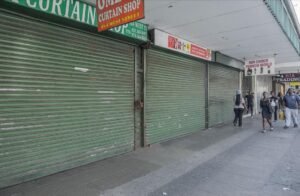
The largest disruptions were reported in major urban centres, including Durban, Johannesburg and Cape Town. Many businesses chose to remain closed as a precaution, while buses were taken off the roads in some areas over security concerns. Community leaders urged residents to avoid unnecessary travel, and shopping districts that are normally bustling with activity appeared unusually quiet.
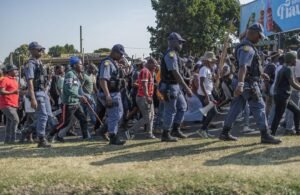
South African police launched a nationwide security operation, deploying additional officers to key public spaces, transport hubs and commercial centres. Defence officials also placed the military on standby to support police if the situation deteriorates, while helicopters and emergency response teams were positioned to respond rapidly to any outbreaks of violence or looting.
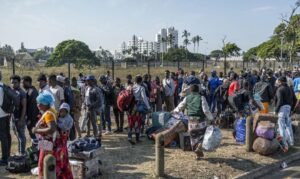
The growing tension has already prompted thousands of foreign nationals to flee. Migrants from countries including Malawi, Zimbabwe, Mozambique, Nigeria and Ghana have sought refuge in temporary shelters or gathered outside their embassies and consulates while awaiting evacuation or transport home. Aid agencies have reported that many families have been separated as undocumented migrants leave spouses and children behind to escape possible attacks.
South African President Cyril Ramaphosa has condemned xenophobic violence and emphasized that immigration enforcement is the responsibility of the state, not vigilante groups. Police officials have similarly warned that while peaceful protest is protected by law, any acts of intimidation, assault, looting or destruction of property will be dealt with firmly.
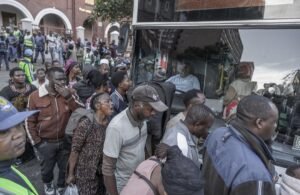
The demonstrations come against the backdrop of South Africa’s prolonged economic challenges. With unemployment remaining above 30 percent, many protesters argue that undocumented migrants contribute to job shortages, crime and pressure on public services. However, researchers and migration experts dispute those claims, noting that foreign-born residents account for only a small share of the population and that available evidence does not support allegations that migrants are a primary driver of crime or unemployment.
Analysts warn that the current tensions revive memories of previous waves of xenophobic violence that have periodically erupted in South Africa since 2008, leaving dozens dead and displacing thousands. Human rights organizations have urged the government to ensure the safety of all residents regardless of nationality while addressing legitimate public concerns over border management and immigration through lawful means.
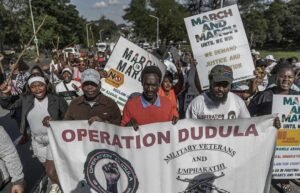
As protests begin across the country, authorities remain on high alert, hoping strong security measures will prevent violence while allowing lawful demonstrations to proceed. The coming days are expected to test South Africa’s ability to balance public order, constitutional rights and the protection of vulnerable migrant communities.