
World News
Iran Threatens More Attacks in Strait of Hormuz After New U.S. Airstrikes

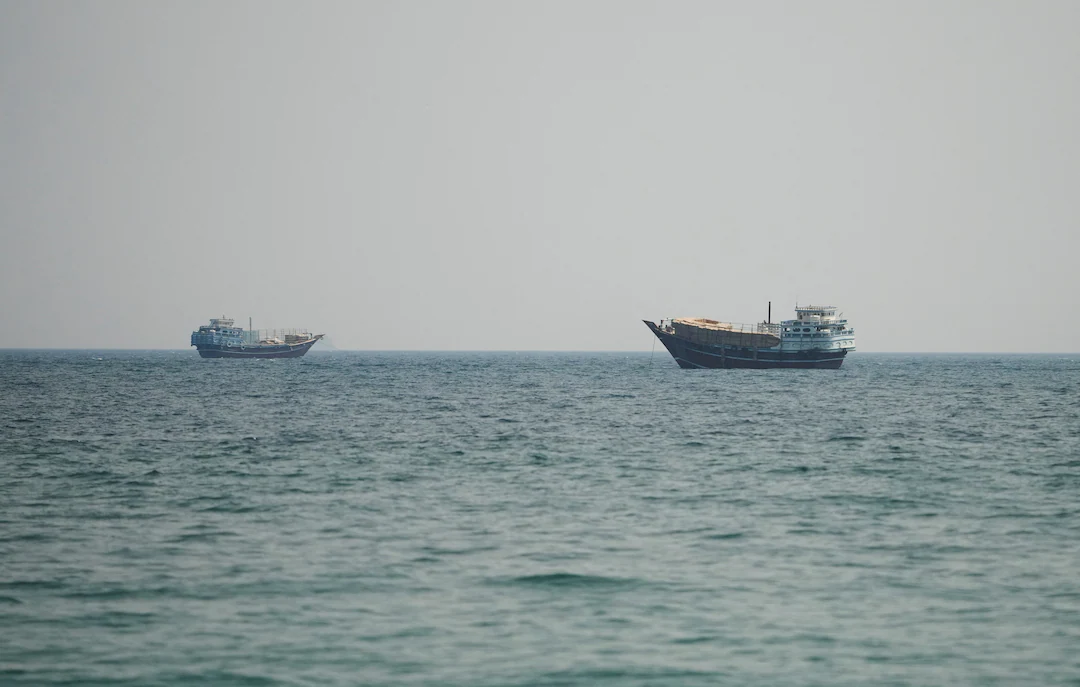
Iran has significantly intensified its military campaign against U.S. forces in the Gulf, launching coordinated missile and drone attacks on American military installations across several Gulf states while warning that more “incidents” could occur in the strategically vital Strait of Hormuz if Washington continues its military operations in the region. The latest escalation has heightened fears of a broader regional conflict and renewed concerns over global energy supplies.
According to Iranian state media and the Islamic Revolutionary Guard Corps (IRGC), the latest strikes targeted U.S. military facilities in Bahrain, Kuwait, Oman, Jordan and Qatar. Tehran said the attacks were carried out in retaliation for extensive U.S. airstrikes on Iranian military infrastructure, including air defence systems, missile launch sites and command centres. U.S. officials acknowledged carrying out large-scale operations against Iranian military targets but said American forces were taking all necessary measures to protect personnel and regional allies.
The confrontation has also intensified around the Strait of Hormuz, one of the world’s most important maritime chokepoints through which roughly one-fifth of global oil shipments normally pass. Iran has again declared the waterway closed to what it describes as “unauthorised” vessels and warned that additional incidents could occur if U.S. military activity continues in or around the strait. Tehran insists that commercial shipping should comply with its directives, while Washington maintains that the waterway remains an international shipping lane that must stay open.
The renewed fighting comes despite earlier diplomatic efforts aimed at reducing tensions between the two countries. Those efforts have now largely collapsed following fresh exchanges of missile strikes, drone attacks and retaliatory air raids. U.S. President Donald Trump has declared that previous understandings with Tehran are no longer in effect, while Iranian officials accuse Washington of violating commitments made during earlier negotiations.
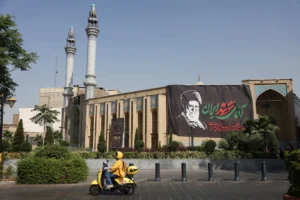
Maritime security has become a major concern after attacks on commercial vessels operating near the Strait of Hormuz. Shipping companies have become increasingly cautious, with some rerouting vessels or delaying transit through the narrow passage because of the heightened military threat. Energy analysts warn that any prolonged disruption could place upward pressure on global oil prices and increase shipping costs worldwide.
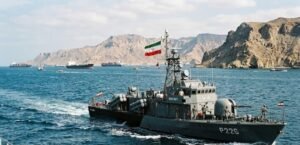
Regional governments have placed their armed forces on heightened alert while reinforcing air defence systems around key military installations and energy infrastructure. Several Gulf states have condemned attacks on their territories, even as they continue diplomatic efforts to prevent the conflict from expanding into a wider regional war. International mediators, including Qatar, Oman and Egypt, are continuing efforts to revive negotiations between Washington and Tehran, although prospects for an immediate breakthrough appear increasingly uncertain.
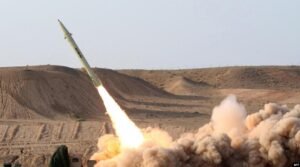
Military analysts say the latest escalation marks one of the most dangerous phases of the U.S.-Iran confrontation in recent years. With both sides exchanging increasingly sophisticated missile, drone and air attacks, concerns are mounting that any further miscalculation could trigger a broader conflict involving additional regional actors and place global energy markets under even greater strain.