
World News
Trump Administration Launches Effort to Isolate International Criminal Court

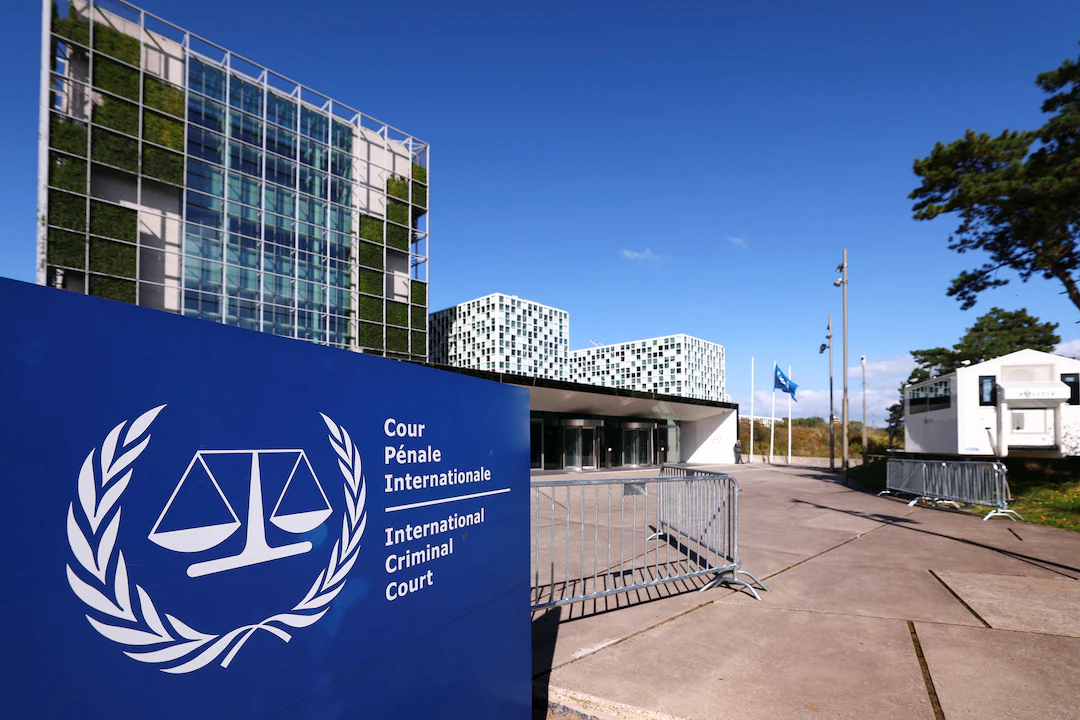
The administration of U.S. President Donald Trump has launched a broad diplomatic campaign aimed at isolating the International Criminal Court (ICC), escalating its long-running opposition to the Hague-based tribunal by considering additional sanctions, travel restrictions and pressure on allied nations to distance themselves from the court. The move reflects Washington’s position that the ICC has exceeded its mandate by attempting to investigate and prosecute U.S. citizens and officials.
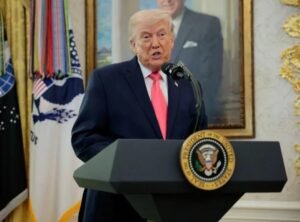
According to a U.S. State Department official, the administration is weighing a range of measures that include expanding sanctions against ICC officials and affiliated organizations, revoking visas, imposing travel bans and encouraging countries that receive U.S. military or security assistance to reject the court’s jurisdiction over American personnel. Officials say nations that continue supporting ICC investigations involving U.S. citizens could face increased diplomatic scrutiny.
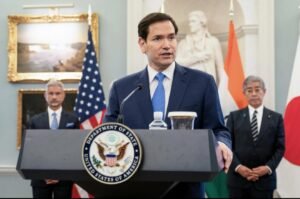
Secretary of State Marco Rubio has accused the ICC of becoming “radical and extreme,” arguing that the court has strayed beyond its original mission of prosecuting genocide, war crimes and crimes against humanity. Washington maintains that, because the United States is not a party to the Rome Statute, the treaty that established the ICC, the court has no legal authority to prosecute American military personnel or government officials without U.S. consent.
The latest campaign builds on earlier actions taken by the Trump administration, including sanctions imposed on ICC officials after the court sought to investigate alleged war crimes involving U.S. forces in Afghanistan and later issued arrest warrants for Israeli Prime Minister Benjamin Netanyahu and other Israeli officials over the Gaza conflict. The administration has repeatedly argued that those actions demonstrate political bias and threaten both U.S. sovereignty and that of its allies.

The ICC has not officially commented on the administration’s latest initiative. However, the court has consistently maintained that it operates independently and only exercises jurisdiction under the legal framework established by the Rome Statute. In previous disputes, ICC officials have defended the court’s authority and insisted that no individual is above international law when the court has jurisdiction.

The renewed U.S. campaign is expected to deepen tensions between Washington and many of its European allies, several of whom remain strong supporters of the ICC and view the institution as a cornerstone of international justice. Human rights organizations have also criticized efforts to weaken the court, warning that undermining its work could reduce accountability for genocide, crimes against humanity and war crimes around the world.
Analysts say the administration’s strategy is designed not only to shield U.S. personnel from future prosecutions but also to discourage partner nations from cooperating with ICC investigations involving Americans or key U.S. allies. Whether the diplomatic pressure will succeed remains uncertain, as many ICC member states have reaffirmed their commitment to the court despite previous U.S. sanctions.