
World News
Trump Drops Plan to Charge Ships in Strait of Hormuz Ahead of U.S. Blockade Deadline

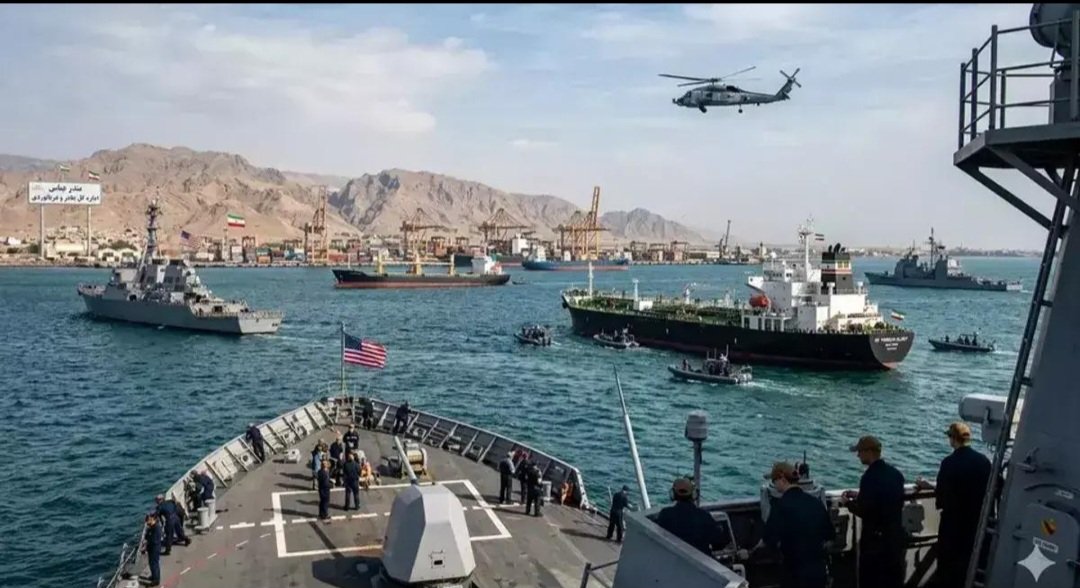
U.S. President Donald Trump has abandoned his proposal to impose a 20% fee on cargo ships transiting the Strait of Hormuz, just hours before a new phase of the United States’ maritime blockade targeting Iran was due to take effect. The policy reversal comes amid mounting concerns from global shipping companies, energy markets and international allies over the potential impact of additional costs on one of the world’s busiest maritime trade routes.
Trump had announced the proposed transit charge only a day earlier, arguing that countries benefiting from the security provided by the U.S. military in the Strait of Hormuz should help bear the financial burden. However, on Tuesday, he said the United States would instead pursue major trade and investment agreements with Gulf states, describing those arrangements as more beneficial than imposing fees on international shipping.
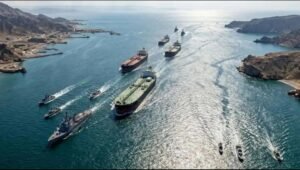
Despite dropping the shipping fee, Trump made it clear that the broader U.S. strategy toward Iran remains unchanged. The administration confirmed that the planned maritime blockade targeting vessels entering or leaving Iranian ports will proceed as scheduled, while commercial ships trading with non-Iranian Gulf states will continue to move through the Strait of Hormuz without paying the proposed toll.

The reversal followed criticism from shipping and legal experts, who warned that a unilateral fee on international cargo vessels could disrupt global trade, increase freight costs and trigger legal disputes under international maritime law. Industry analysts had also cautioned that the surcharge would likely be passed on to consumers through higher energy and transportation costs.
The Strait of Hormuz remains one of the world’s most strategically important waterways, with roughly one-fifth of global oil supplies passing through the narrow channel connecting the Persian Gulf to the Gulf of Oman. Any disruption to shipping through the strait has immediate consequences for international energy markets, insurance premiums and global supply chains.
The latest policy shift comes against the backdrop of escalating military tensions between the United States and Iran. In recent days, U.S. forces have intensified strikes on Iranian military infrastructure, while Iran has launched retaliatory attacks on American bases and commercial shipping in the Gulf region. The confrontation has renewed fears of a wider regional conflict involving several Middle Eastern states.
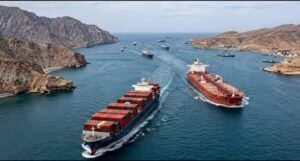
Although Gulf allies welcomed the decision to abandon the shipping fee, uncertainty remains over the implementation of the blockade and its potential impact on regional trade. Shipping companies continue to monitor security conditions closely, with many vessels operating under heightened alert as naval patrols increase throughout the Gulf.
Financial markets reacted cautiously to the announcement. Analysts said removing the proposed transit fee reduced one source of uncertainty for global trade, but warned that the continuing blockade and ongoing military confrontation could still keep oil prices volatile if hostilities intensify or shipping lanes are disrupted.

Diplomatic efforts to reduce tensions remain ongoing, but with the United States pressing ahead with its blockade of Iranian shipping and Tehran continuing to resist American pressure, prospects for a near-term de-escalation remain uncertain. The Strait of Hormuz is expected to remain at the center of global attention as governments, traders and shipping companies watch for further developments.