
International
Wildfire Smoke Chokes US Midwest and East Coast, Officials Urge Millions to Stay Indoors

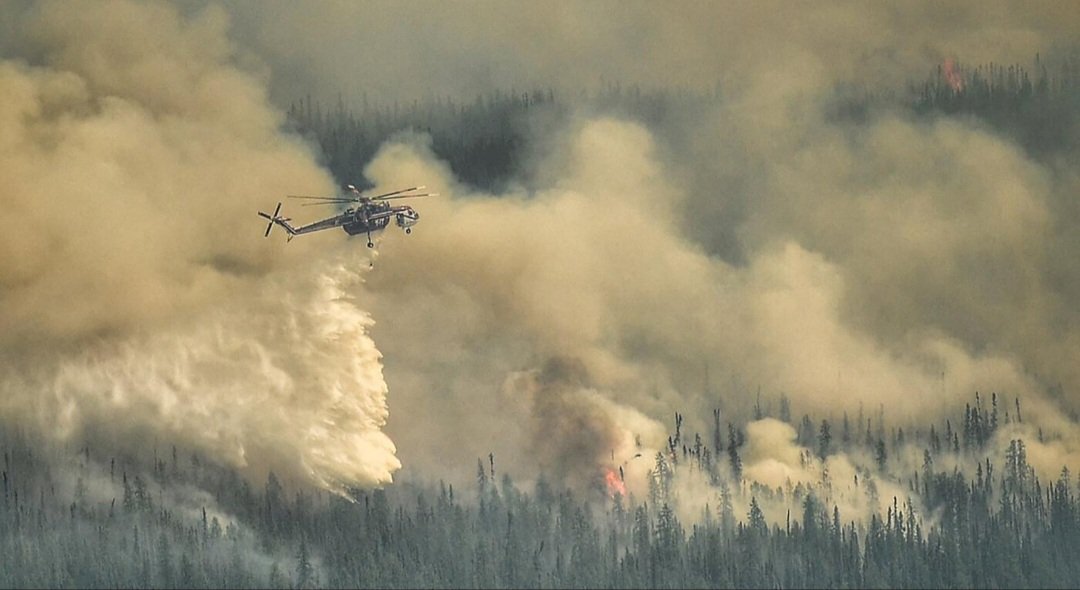
A vast plume of smoke from hundreds of wildfires burning across Canada has spread over much of the United States, leaving millions of residents from the Midwest to the East Coast under unhealthy or hazardous air quality conditions as authorities urge people to remain indoors and avoid prolonged outdoor activities.
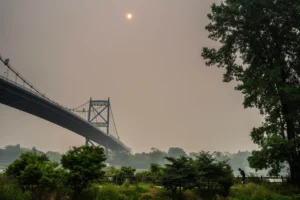
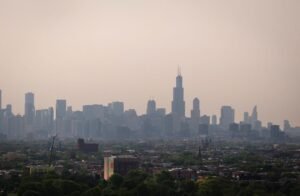
The thick smoke, driven south by shifting winds and trapped near the ground by a high-pressure weather system, has darkened skies, reduced visibility and triggered air quality alerts across more than 20 states. Major cities including New York, Chicago, Detroit, Philadelphia, Milwaukee, Minneapolis, Cleveland and Washington, D.C. have experienced some of the worst air pollution levels in the world in recent days.

Health officials warned that the smoke contains dangerous fine particulate matter (PM2.5), which can penetrate deep into the lungs and bloodstream. Exposure can worsen asthma, chronic obstructive pulmonary disease (COPD), heart disease and other respiratory conditions, while even healthy people may experience coughing, sore throats, eye irritation and shortness of breath.
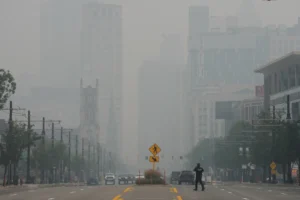
Authorities in several states advised residents to stay indoors with windows closed, use air conditioning or HEPA air purifiers where possible, and wear high-quality N95 or KN95 masks if they must go outside. Outdoor sporting events, children’s activities and other public events have been cancelled or postponed in some areas because of the deteriorating air quality. In New York City, officials opened cooling centers and distributed protective masks to vulnerable residents.
The smoke originates primarily from large wildfires burning in Ontario and northern Minnesota, where firefighters continue to battle fast-moving blazes under hot, dry conditions. Dense smoke has also complicated firefighting efforts by limiting visibility and grounding some aerial operations. Officials warned that some fires could continue burning for weeks or even months until significant rainfall or snowfall arrives.
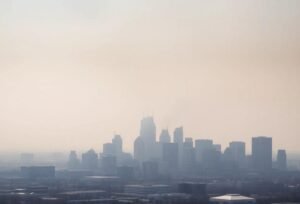
Environmental experts say the current event is among the most significant smoke outbreaks to affect the United States since Canada’s devastating 2023 wildfire season. Meteorologists expect air quality to improve gradually in some regions over the weekend as weather patterns shift, although changing winds could carry additional smoke into affected areas.
Scientists have also linked the increasing frequency and intensity of wildfire smoke episodes to climate change, noting that hotter temperatures and prolonged droughts are contributing to longer and more destructive fire seasons across North America.
As emergency officials continue monitoring conditions, residents; particularly children, older adults, pregnant women and people with underlying heart or lung diseases, are being urged to follow local air quality advisories until the smoke clears.