
International
Iran Executes Man Over January Protests, Judiciary News Agency Reports

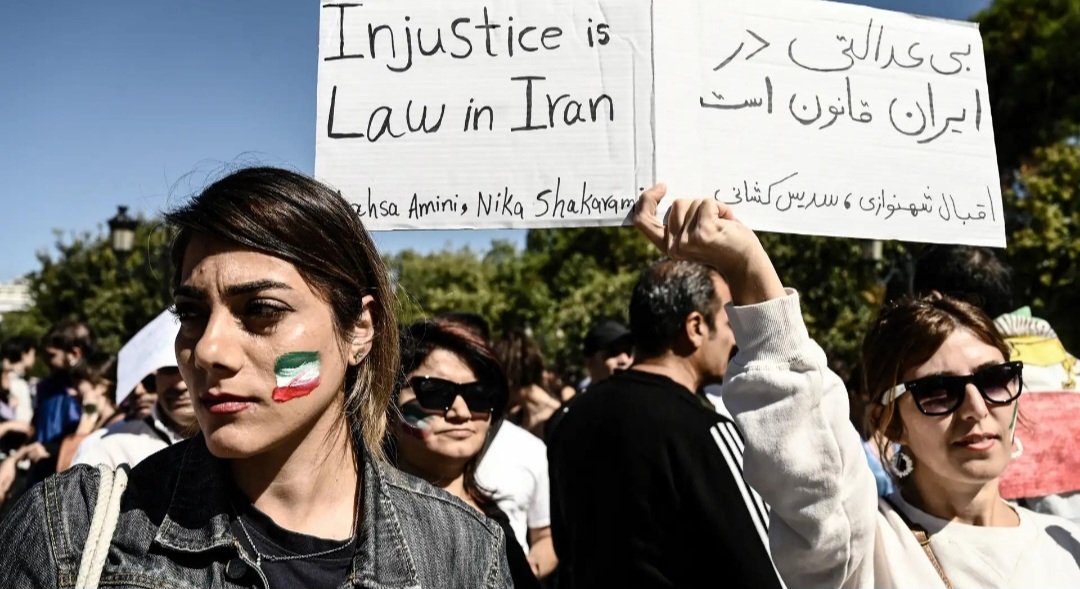
Iran has executed a man convicted in connection with violent incidents during the country’s January protests, according to reports from the judiciary’s official news agency. The execution has drawn renewed attention to Tehran’s handling of dissent and is likely to intensify scrutiny from international human rights organizations.
Judicial authorities stated that the individual had been found guilty of serious offenses related to the unrest that erupted earlier this year. According to official accounts, the charges included actions that authorities said threatened public security and resulted in damage during demonstrations. Iranian courts reportedly upheld the death sentence after a series of legal proceedings and appeals.
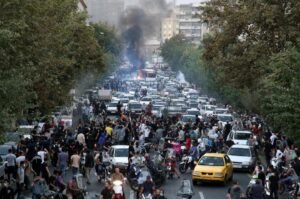
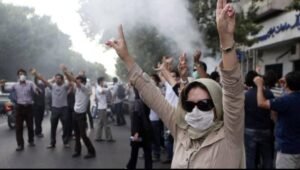
The January protests emerged amid growing public frustration over economic pressures, rising living costs and broader political grievances. Demonstrations were reported in several cities, with some gatherings escalating into clashes between protesters and security forces.
Iranian officials have consistently argued that those prosecuted in connection with the unrest were not punished for peaceful protest but for alleged acts of violence, vandalism or attacks on public institutions. State media has frequently portrayed such cases as matters of national security rather than political expression.
Human rights groups, however, have repeatedly criticized Iran’s use of the death penalty in protest-related cases. Several organizations contend that defendants have not always received fair trials and have called on Tehran to halt executions linked to political unrest. Rights advocates have also urged greater transparency regarding judicial proceedings and access to legal representation.
The latest execution is expected to draw reactions from Western governments and international organizations that have previously condemned Iran’s treatment of protesters. Diplomatic tensions between Tehran and several Western nations have frequently intensified following protest crackdowns and the implementation of capital punishment in politically sensitive cases.
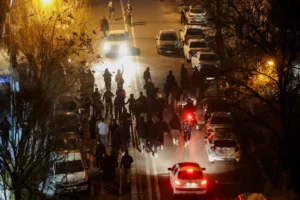
Analysts say the execution underscores the Iranian government’s determination to deter future unrest at a time when authorities remain concerned about social and economic dissatisfaction. The country continues to face challenges including inflation, international sanctions and regional geopolitical tensions.
Supporters of the government’s approach argue that maintaining public order and enforcing the law are essential for national stability. Critics, meanwhile, contend that harsh punishments risk deepening public resentment and attracting further international criticism.
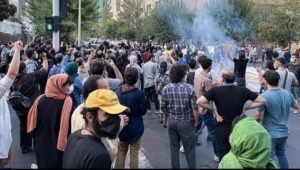
The execution comes as Iran remains under close observation from human rights monitors, who continue to track arrests, prosecutions and court rulings connected to recent demonstrations. Observers say the case is likely to become another focal point in the broader debate over civil liberties, judicial independence and the use of capital punishment in the Islamic Republic.