
International
FDA Announces Recall of Nearly 1.6 Million Dozen Eggs Over Salmonella Risk


The U.S. Food and Drug Administration (FDA) has announced that Midwest Poultry Services is voluntarily recalling nearly 1.6 million dozen white shell eggs and brown cage-free shell eggs produced at its Texas facilities after they were found to have the potential to be contaminated with Salmonella Enteritidis, a bacterium that can cause serious foodborne illness. The recall is one of the largest egg safety actions in the United States this year and comes as federal health authorities continue to monitor foodborne disease risks.
According to the FDA, the recalled eggs were distributed to Kroger stores in Texas and Louisiana, as well as Brookshire Grocery outlets across Texas, Oklahoma, Arkansas, and Mississippi. Consumers are being urged to check egg cartons purchased from these retailers and avoid consuming any products covered by the recall.

The FDA said no illnesses had been reported in connection with the recalled eggs at the time of the announcement. As a precaution, Midwest Poultry Services has suspended distribution of eggs produced at its Texas farms while the company works with regulators to investigate the potential contamination and strengthen food safety measures.
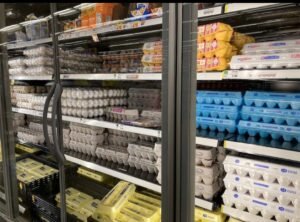
Salmonella Enteritidis is one of the most common causes of foodborne illness worldwide and can contaminate eggs either through the shell or before the shell forms inside the hen. Infection typically develops 12 to 72 hours after consuming contaminated food and can cause diarrhea, stomach cramps, fever, nausea, vomiting, chills and headaches. While most healthy people recover within a few days, the infection can become severe or life-threatening for young children, older adults, pregnant women and people with weakened immune systems.

Health officials advised consumers who purchased the affected eggs to discard them immediately or return them to the place of purchase for a refund. They also recommended thoroughly washing and sanitizing refrigerators, countertops, utensils and any surfaces that may have come into contact with the eggs to reduce the risk of cross-contamination.

The latest recall follows several high-profile egg recalls in recent years linked to Salmonella contamination, highlighting the continued importance of strict hygiene practices throughout egg production and distribution. Food safety experts say consumers should always cook eggs thoroughly and practice safe food handling to minimize the risk of infection.

The FDA said it will continue monitoring the situation and will provide additional updates if more products are added to the recall or if any illnesses are reported. Consumers experiencing symptoms consistent with Salmonella infection after eating eggs are advised to seek medical attention promptly.