
World News
Africa Faces Up to $20 Billion Economic Blow from ‘Super’ El Niño, AfDB Warns

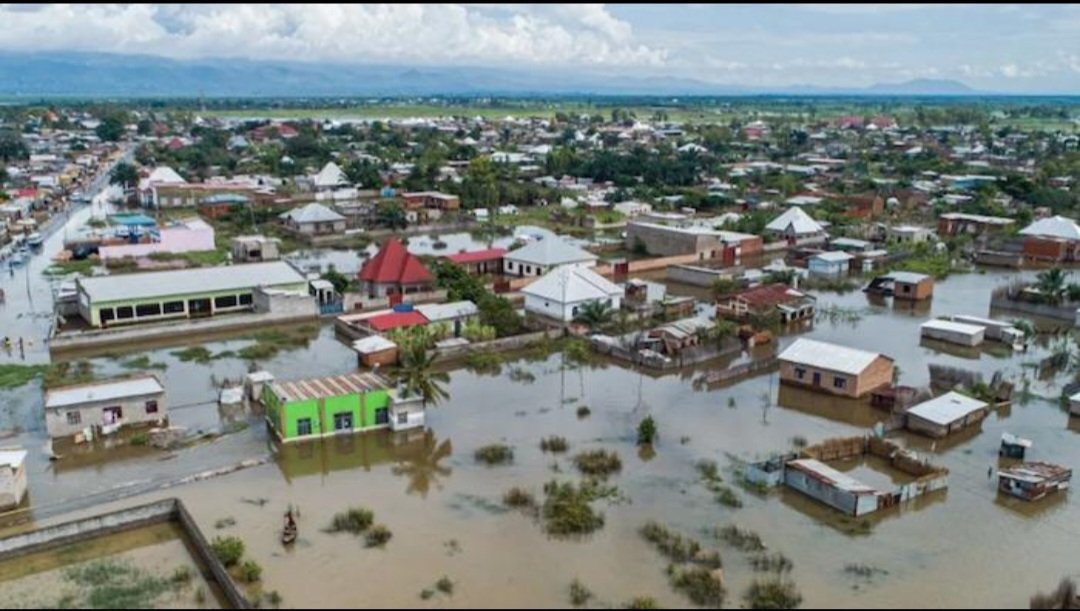
Africa could suffer economic losses of between $10 billion and $20 billion if a powerful “super” El Niño develops, according to a senior climate official at the African Development Bank (AfDB), who warned that the continent remains dangerously vulnerable to increasingly severe climate shocks. The warning comes as meteorologists monitor conditions in the Pacific Ocean that could trigger one of the strongest El Niño events in recent years.
The AfDB’s Director for Climate Change and Green Growth said the projected losses would stem from widespread crop failures, livestock deaths, infrastructure damage, disruptions to trade and energy production, and increased humanitarian needs. While El Niño affects weather patterns globally, its impact on Africa often varies by region, bringing severe drought to some countries while causing devastating floods in others.
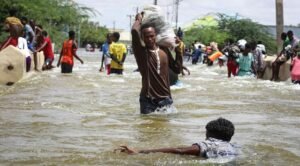
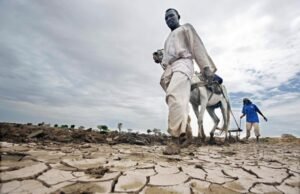
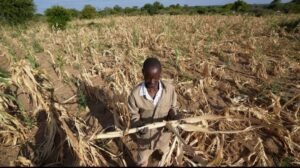
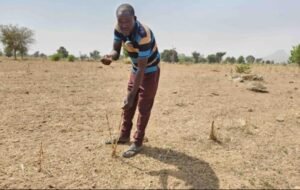
Climate experts say southern Africa is particularly at risk of prolonged drought, threatening maize, wheat and livestock production in countries such as Zimbabwe, Zambia, Botswana, Namibia and South Africa. Reduced harvests could worsen food insecurity, increase inflation and place additional strain on governments already grappling with economic challenges. Meanwhile, parts of East Africa could experience excessive rainfall, raising the risk of flooding, landslides and outbreaks of waterborne diseases.
The AfDB official noted that Africa contributes only a small fraction of global greenhouse gas emissions but remains among the regions most exposed to climate-related disasters. According to the bank, repeated droughts, floods and storms are eroding economic growth, reducing agricultural productivity and increasing poverty across the continent. These climate shocks are also placing enormous pressure on public finances as governments divert resources to emergency response and recovery.
The warning comes as African leaders continue to push for greater international climate finance. The AfDB argues that investing in climate adaptation; such as irrigation systems, flood defences, drought-resistant crops and improved early warning systems, would be far less costly than responding to repeated disasters after they occur. The bank has urged governments and development partners to accelerate funding for resilience projects before the expected El Niño intensifies.

Economists warn that the ripple effects of a major El Niño would extend beyond agriculture. Hydropower generation could decline in drought-hit regions, manufacturing could slow because of energy shortages, transport networks could be disrupted by flooding, and rising food prices could increase pressure on household incomes. These combined impacts could shave significant percentage points off economic growth in several African economies.
International climate agencies are continuing to monitor ocean temperatures and atmospheric conditions in the Pacific. While it is still too early to determine the full strength of the developing El Niño, experts say governments should begin implementing preparedness measures now, rather than waiting for the worst impacts to emerge. Early planning, they argue, could save lives, protect livelihoods and significantly reduce the economic damage forecast by the African Development Bank.