
International
Four Bodies Recovered as Search Continues for Missing Climbers After Broad Peak Avalanche

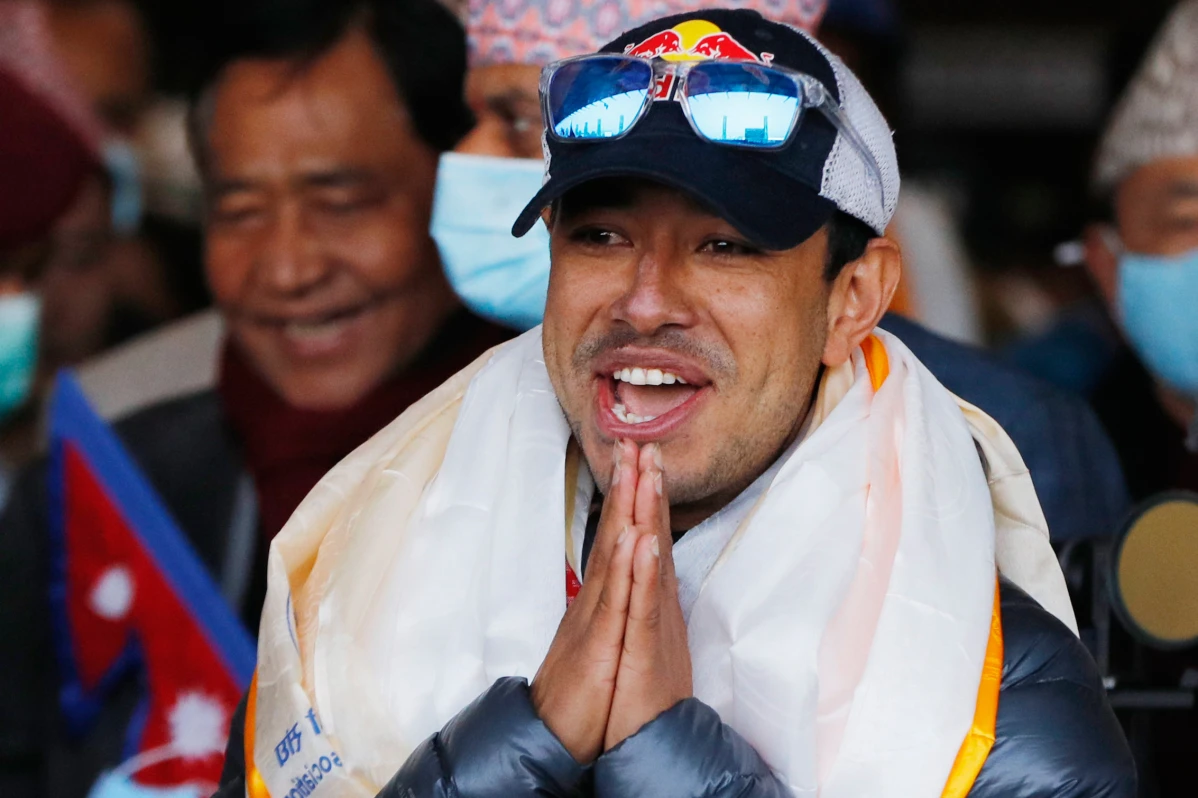
Pakistani rescue teams have recovered four bodies from the slopes of Broad Peak, one of the world’s highest mountains, after a powerful avalanche struck an international climbing expedition. Authorities are continuing an intensive search for the remaining six climbers who disappeared in one of the deadliest mountaineering disasters to hit Pakistan in recent years.


The avalanche occurred on Thursday as a team of 10 climbers was attempting to summit the 8,047-metre (26,401-foot) Broad Peak in the Karakoram mountain range in Pakistan’s Gilgit-Baltistan region. Contact with the expedition was lost shortly after the avalanche swept through the climbing route at high altitude, prompting a large-scale search-and-rescue operation involving the Pakistan Army, local authorities and the Alpine Club of Pakistan.
The expedition included climbers from Nepal, Pakistan, Oman, the United States and China, highlighting the international nature of the climbing team.
Among those still missing is renowned Nepal-born mountaineer Nirmal “Nims” Purja, celebrated worldwide for climbing all 14 of the world’s 8,000-metre peaks in a record 189 days, a feat documented in the Netflix film 14 Peaks: Nothing Is Impossible. Purja had been attempting another historic milestone by climbing all 14 eight-thousanders twice without supplemental oxygen.
Officials have confirmed that two of the recovered bodies have been identified as Pur Bahadur Gurung of Nepal and Nadhira Ahmed Abdullah Al Harthy of Oman. The identities of the other two victims have not yet been officially released, pending notification of their families and further forensic confirmation.
Rescue efforts have been hampered by harsh weather, strong winds, deep snow and the extreme altitude, which makes helicopter operations difficult and places rescuers themselves at considerable risk.
Pakistan Army helicopters have been deployed whenever weather conditions permit, while experienced high-altitude climbers and local rescue teams continue searching on foot. Officials say the terrain around Broad Peak remains unstable, increasing the danger of additional avalanches.
Authorities have not ruled out the possibility of finding survivors, although experts acknowledge that the chances diminish rapidly with each passing day in the mountain’s “death zone,” where oxygen levels are too low to sustain life for extended periods without supplemental oxygen.
The tragedy has prompted expressions of concern from governments whose citizens were involved. Nepal has confirmed that several of its nationals were on the expedition, while Chinese authorities said they are verifying reports regarding one of their citizens and are prepared to assist Pakistan’s rescue efforts if needed.
The mountaineering community has also rallied behind the families of those missing, with climbers around the world sharing messages of support and hope as rescue operations continue under extremely challenging conditions.
Broad Peak, the 12th-highest mountain on Earth, is considered one of the world’s most challenging climbs. Located near K2 in Pakistan’s Karakoram range, it attracts elite mountaineers each year but is notorious for unpredictable weather, avalanches and the dangers posed by extreme altitude.
Despite advances in climbing equipment and forecasting, accidents remain common on the mountain, underscoring the significant risks faced by those attempting to conquer the world’s highest peaks.
Rescue teams have vowed to continue the operation as weather conditions allow, though officials acknowledge that the difficult terrain and ongoing avalanche risk could prolong recovery efforts.
For now, families of the missing climbers remain anxiously awaiting news, while the global mountaineering community watches closely as one of the most significant high-altitude rescue missions of the year unfolds.