
International
Russian Court Confiscates 123 Real Estate Assets Belonging to Jehovah’s Witnesses

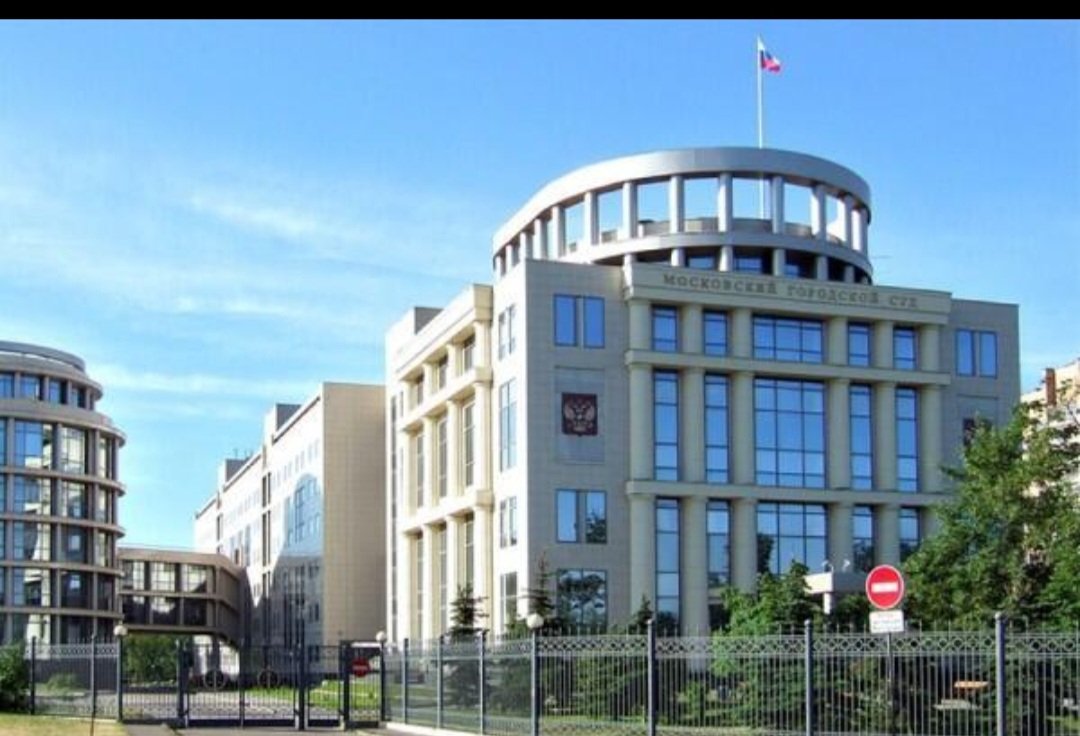
A Russian court has ordered the confiscation of 123 real estate assets belonging to the Jehovah’s Witnesses, transferring the properties to state ownership in one of the largest seizures targeting the religious group since it was outlawed in Russia nearly a decade ago. The ruling marks the latest development in Moscow’s long-running campaign against the denomination, which Russian authorities classify as an extremist organization; a designation strongly rejected by the group and criticized by international human rights bodies.


According to Moscow’s court service, the confiscated assets include 63 residential and commercial buildings with a combined area of more than 11,000 square metres, as well as 60 plots of land covering approximately 5.6 hectares across several regions of Russia. The properties had been registered under the Swedish branch of Jehovah’s Witnesses before being transferred to the Russian state.
The latest court decision stems from Russia’s 2017 Supreme Court ruling that declared Jehovah’s Witnesses an extremist organization and banned all of its activities nationwide.
Since that landmark decision, authorities have shut down Kingdom Halls, frozen bank accounts, confiscated religious literature and prosecuted hundreds of members under anti-extremism laws. Many followers have received prison sentences simply for participating in worship meetings or organizing religious gatherings.
The crackdown has repeatedly drawn criticism from international human rights organizations and legal institutions.
In 2022, the European Court of Human Rights (ECHR) ruled that Russia’s ban on Jehovah’s Witnesses violated the rights to freedom of religion and association guaranteed under the European Convention on Human Rights. The court ordered Russia to discontinue criminal prosecutions, release imprisoned members and provide compensation for damages. Russian authorities have rejected the ruling and continued enforcing the ban.
Human rights advocates argue that Jehovah’s Witnesses are a peaceful Christian denomination whose refusal to engage in military service, political activity or participation in state ceremonies has often brought them into conflict with governments. Russian officials, however, maintain that the organization promotes religious exclusivity and therefore falls within the country’s anti-extremism legislation.
Court officials said the confiscated portfolio represents one of the largest property transfers involving Jehovah’s Witnesses since the organization was banned.
The assets, previously controlled through the Swedish legal entity associated with the denomination, have now officially become state property. Russian authorities have not yet announced how the buildings and land will be used following the transfer.
Representatives of Jehovah’s Witnesses have consistently denied allegations of extremism, arguing that their beliefs are rooted in peaceful religious practice and Bible study.
The organization says its members have faced years of raids, arrests and imprisonment despite advocating non-violence. It maintains that the confiscation of its properties is another example of religious persecution and an attempt to eliminate its presence in Russia.
The latest ruling is expected to intensify concerns among international observers over freedom of religion in Russia.
Rights organizations have repeatedly warned that Russia’s broad anti-extremism laws are increasingly being used against religious minorities, independent activists and dissenting groups. Critics argue that the confiscation of religious property and continued prosecution of Jehovah’s Witnesses reflects a broader trend of tightening state control over civil society and religious expression.