
International
Thousands Gather in Serbia for Funeral of ‘Butcher of Bosnia’ Ratko Mladić

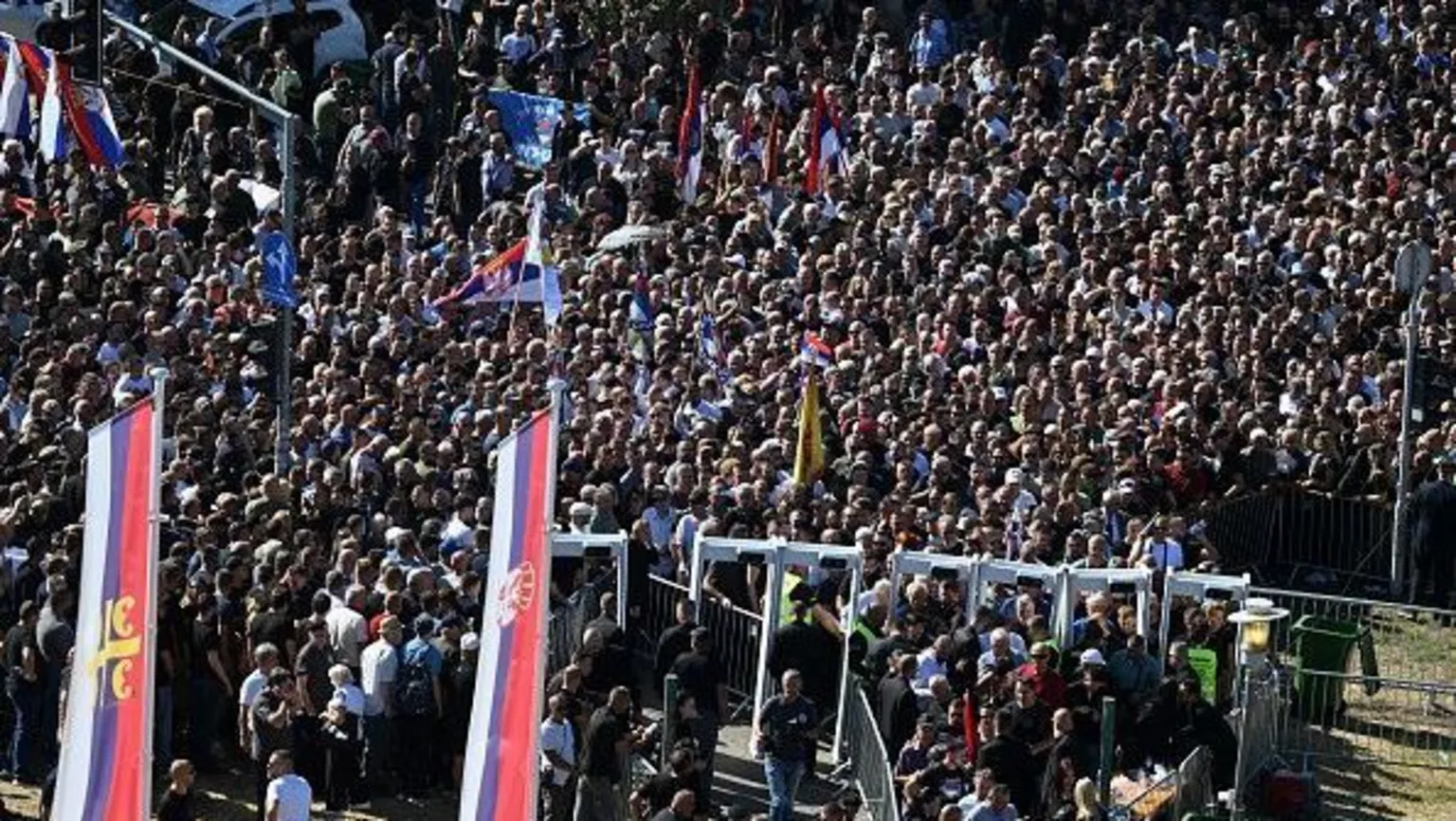
Thousands of people gathered in Serbia’s capital, Belgrade, on Monday for the funeral of former Bosnian Serb military commander Ratko Mladić, a convicted war criminal whose death and burial have reopened painful divisions surrounding the 1990s Balkan wars.
Mladić, who died at the age of 84 while serving a life sentence at a United Nations detention facility in The Hague, was convicted of genocide, war crimes and crimes against humanity for his role during the 1992–1995 Bosnian War.
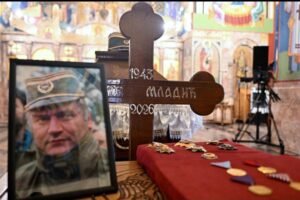
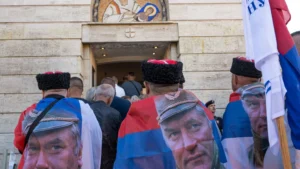
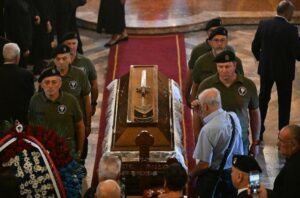
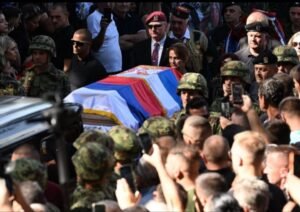
Large crowds lined the streets as his coffin was taken from St Luke Church to Topčider Cemetery in Belgrade. Mourners waved Serbian flags and some carried images of Mladić, while soldiers and veterans took part in the ceremony.
Mladić remains a deeply divisive figure. Many Serb nationalists continue to regard him as a military hero, despite his conviction by the UN tribunal over atrocities committed during the Bosnian conflict. He was particularly held responsible for the 1995 Srebrenica massacre, in which more than 8,000 Bosniak Muslim men and boys were killed, as well as the prolonged siege of Sarajevo.
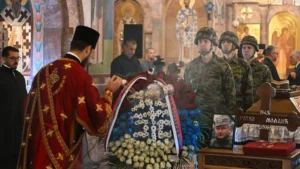
The scale and character of the funeral have drawn strong criticism from the European Union and victims’ groups.
EU officials have warned against glorifying convicted war criminals, saying such displays are incompatible with European values. The controversy is particularly sensitive because Serbia remains a candidate for EU membership.
Several Serbian government ministers attended the funeral, while other prominent figures from Serbia and Bosnia’s Serb entity were also present. The presence of officials has intensified questions over whether the ceremony amounted to an unofficial state honour for Mladić.
Serbian President Aleksandar Vučić has sought to distance himself from the ceremony while defending the right of people to express their views, amid growing political tensions ahead of expected elections.
For many Bosnians, however, Mladić’s funeral represents something very different.
Families of victims of the Srebrenica massacre and the siege of Sarajevo have condemned what they see as the celebration of a man responsible for some of Europe’s worst atrocities since the Second World War.
The funeral has therefore become more than a farewell ceremony. It has once again exposed the unresolved historical and political divisions between communities that remain deeply affected by the legacy of the Bosnian War.
Mladić was captured in Serbia in 2011 after years in hiding and transferred to the UN tribunal in The Hague. He was convicted in 2017, with his life sentence ultimately upheld on appeal.
His burial in Belgrade, attended by thousands and accompanied by military-style honours, is likely to remain a contentious symbol of Serbia’s unresolved relationship with its wartime past.