
International
UK Bans Goods From Israeli Settlements, Accuses Settlers of ‘Ethnic Cleansing’

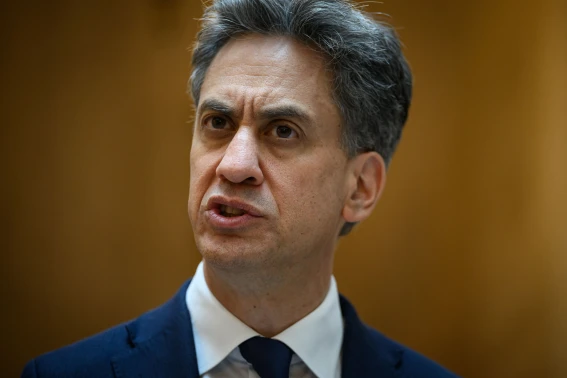
Britain has announced a major shift in its policy towards Israel, banning imports of goods produced in Israeli settlements in the occupied West Bank and accusing violent settlers of carrying out what Foreign Secretary Ed Miliband described as “ethnic cleansing” against Palestinians.
The measures, announced in Parliament on Tuesday, mark one of the strongest British responses yet to Israel’s settlement expansion and escalating settler violence in the West Bank. The government said the policy is intended to protect the possibility of a two-state solution and prevent further fragmentation of Palestinian territory.

Under the new measures, Britain will prohibit the import of goods originating from Israeli settlements in the occupied West Bank. The restrictions are expected to come into force within six to nine months, giving the government time to establish the necessary legal and customs arrangements.
The ban will target products made specifically in settlements rather than Israeli goods generally. Settlement-produced goods include agricultural products such as dates and vegetables, as well as wine and other consumer products.
Britain will also introduce sanctions against companies and individuals involved in settlement construction and related activities, including construction, infrastructure, financing and real estate services.

Miliband said the British government now considers Israel’s occupation of the West Bank to be unlawful, aligning its position with the 2024 advisory opinion of the International Court of Justice.
The strongest language in Tuesday’s announcement came when Miliband accused Israeli settlers of carrying out ethnic cleansing against Palestinians.
He said the British government believes there is “ethnic cleansing of Palestinians” in parts of the West Bank perpetrated by what he called “settler terrorists.”
Miliband also accused the Israeli government of turning a blind eye to settler violence and said some members of the government had made statements or taken actions supporting the forced displacement of Palestinians.

The British government stressed, however, that its disagreement is with the policies and conduct of Israel’s government rather than with Israel or Israeli people generally.
Britain’s announcement came alongside similar measures from France and Canada, increasing international pressure over Israel’s settlement policies.
The three countries have joined a wider group of governments seeking restrictions on economic activity linked to Israeli settlements, which are considered illegal under international law by the United Nations and many governments.
The measures are particularly focused on settlement expansion in the West Bank, where Israel has continued to approve new construction projects despite international opposition.

Israel strongly rejected Britain’s accusations and responded with diplomatic measures of its own.
Israeli Foreign Minister Gideon Sa’ar announced that Israel would close the British consulate in East Jerusalem, restrict the participation of British officials in a U.S.-led Gaza coordination mission and bar some British nationals from entering Israel.
Sa’ar accused Britain of interfering in Israel’s internal affairs and described Miliband’s statements as false and unacceptable.

The closure of the British consulate is particularly significant because the mission has traditionally played an important role in Britain’s diplomatic engagement with Palestinians and the Palestinian Authority.
The British decision comes after months of mounting tension between London and Jerusalem.
Britain has increasingly criticised Israel’s settlement expansion, particularly plans for the E1 settlement area, which critics say could divide the West Bank and make the creation of a contiguous Palestinian state more difficult.
Miliband has described the preservation of a two-state solution as a central British objective. Earlier this month, he promised a “comprehensive” response to settlement expansion.
The latest announcement therefore represents more than a trade measure. It signals a broader change in Britain’s relationship with the Israeli government at a time when international pressure over the West Bank and Gaza continues to grow.
For Palestinians and their supporters, the ban is an important step toward holding settlement activity economically accountable. For Israel and its supporters, however, the move represents an unfair targeting of Israel and risks further damaging an already strained relationship.
With Israel preparing for elections later this year, the diplomatic confrontation between the two countries is likely to remain a major international issue.