
International
US-Indicted Mexican Governor Rocha Moya Seeks Fresh Leave Amid Political Pressure

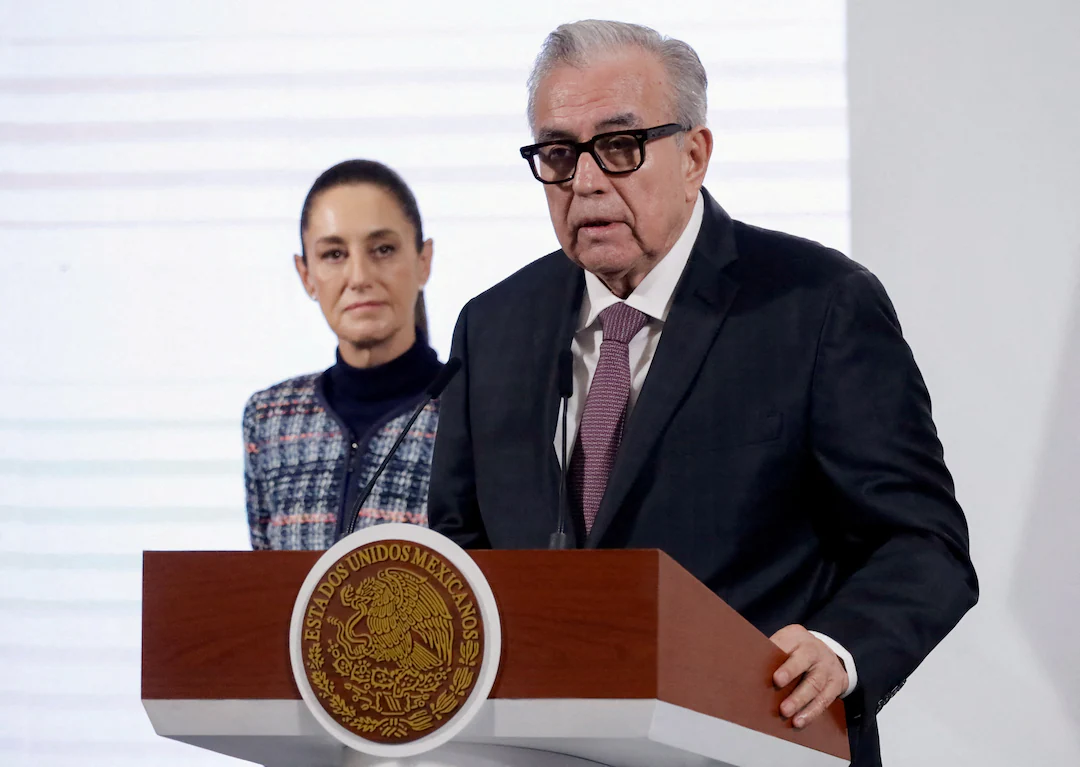
Sinaloa Governor Rubén Rocha Moya has requested another leave of absence from office, just one day after returning to his post following more than three months away amid serious allegations from U.S. prosecutors.
Rocha, 77, submitted a request to the Sinaloa state Congress on Saturday seeking a temporary leave of an indefinite duration of more than 30 days, according to Mexican news agency EFE and other reports.
His decision came hours after Mexican President Claudia Sheinbaum appeared to criticise his decision to resume his duties.
Although Sheinbaum did not mention Rocha by name, she wrote on social media that no personal interest should ever be placed above the interests of the Mexican people and the nation.
She added that power without principles could become arrogance, remarks that came a day after Rocha announced his return to office following 112 days on leave.
Rocha subsequently announced his fresh request for leave, writing that Sinaloa, Mexico and the country’s political transformation movement were above everything else.
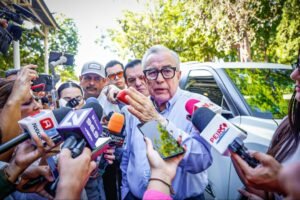
His return to office had already triggered a political backlash. The ruling Morena party distanced itself from the decision, while officials indicated that Rocha had acted independently in choosing to resume his duties.
The controversy stems from an indictment unsealed by U.S. federal prosecutors in April.
The U.S. Department of Justice accused Rocha and nine other current and former Mexican officials of participating in a conspiracy involving the Sinaloa Cartel. Prosecutors allege that the officials helped facilitate the movement of large quantities of narcotics into the United States in exchange for political support and bribes.
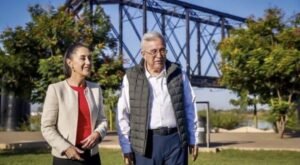
Rocha was specifically charged with conspiracy to import narcotics and weapons-related offences. U.S. prosecutors alleged that the wider group worked with a faction of the Sinaloa Cartel known as Los Chapitos.
The Justice Department said the indictment involved allegations of trafficking fentanyl, heroin, cocaine and methamphetamine into the United States, while also accusing officials of helping protect cartel operations.
However, the U.S. Justice Department stressed that the charges are allegations and that the defendants are presumed innocent unless proven guilty.
Rocha has rejected the accusations, describing the U.S. case as politically motivated and an attack on the political movement led by Sheinbaum.
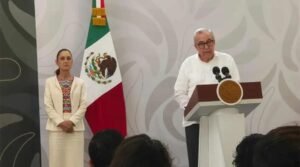
The Mexican government has also previously questioned whether the evidence supplied by Washington was sufficient to justify his arrest or extradition, although Mexican authorities have maintained their own investigation into the matter.
The latest development represents another dramatic turn in Rocha’s already turbulent tenure. He had initially taken leave from office after the U.S. allegations emerged, before returning on Friday and declaring that he was resuming his responsibilities with a clear conscience.
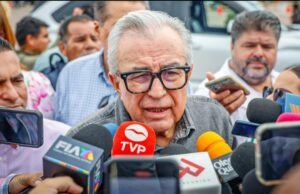
His decision to step aside again now leaves the Sinaloa government facing another period of uncertainty as lawmakers consider his latest request.
The episode also highlights the growing political and diplomatic sensitivity surrounding U.S. accusations of links between Mexican officials and powerful drug-trafficking organisations.
For Rocha, what began as a legal battle with U.S. prosecutors has now developed into a major political crisis at home, putting his relationship with his own party and the federal government under renewed scrutiny.