General News
Nigeria Can Learn From China’s Poverty Eradication Strategy — Prof. Sheriff Ghali

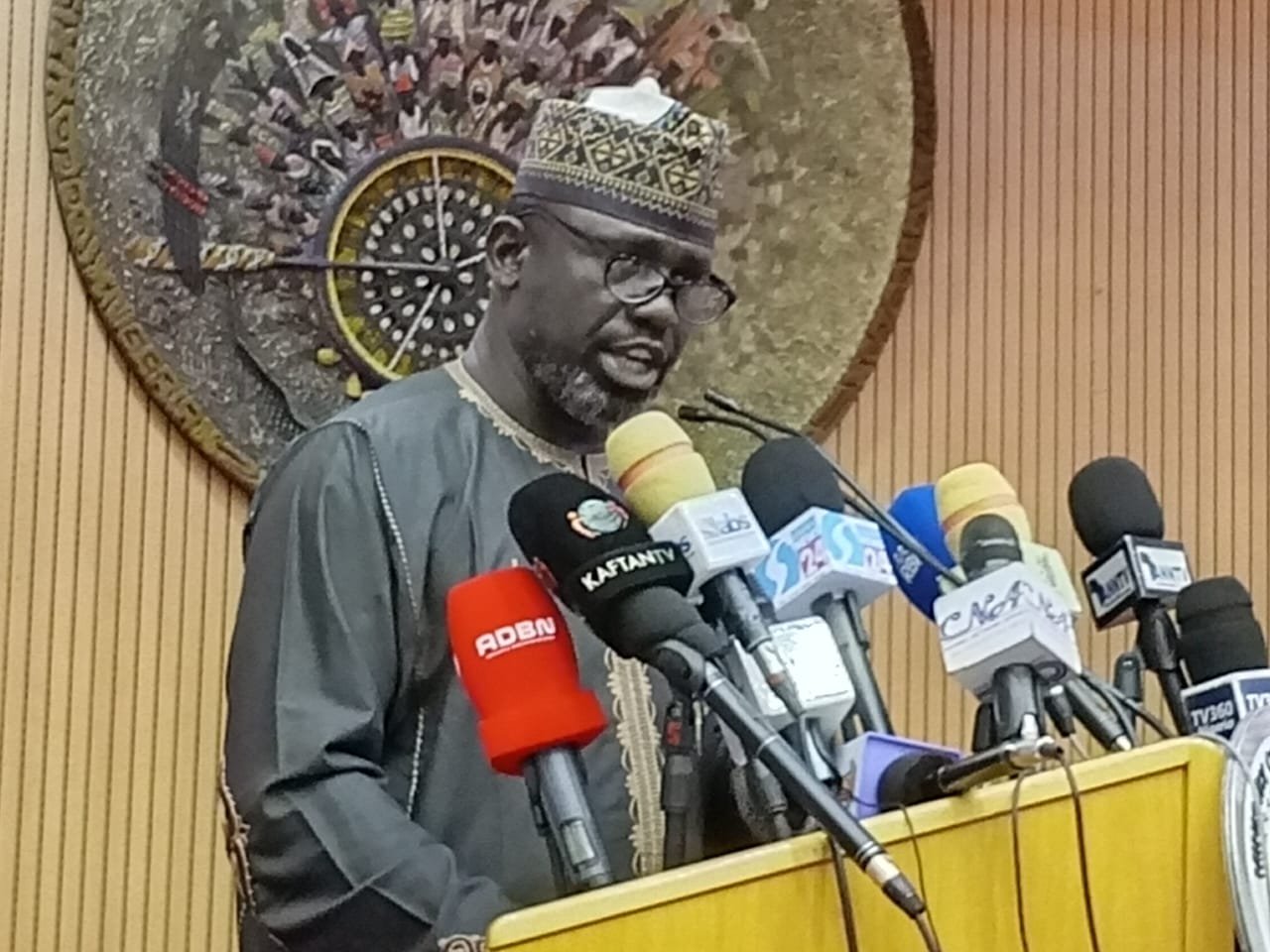
The Provost of the Anti-Corruption Academy of Nigeria and Head of Contemporary China-Africa Research, Prof. Sheriff Ghali Ibrahim, has called for a closer study of China’s poverty reduction model, saying its emphasis on targeted interventions, accountability and economic development offers valuable lessons for Nigeria.
Prof. Ghali spoke at a one-day workshop on Nigeria’s poverty alleviation efforts and China’s development model, organised by the Diplomatic Correspondents’ Association of Nigeria (DICAN) at the Ministry of Foreign Affairs in Abuja.
He said China had lifted more than 800 million people out of extreme rural poverty over a period of four decades by combining economic reforms, targeted poverty interventions, infrastructure development and strict monitoring of government programmes.
According to him, China’s success was driven by a combination of sustained economic growth and its Targeted Poverty Alleviation (TPA) strategy, which focused on identifying poor households and addressing the specific factors responsible for their poverty.
Prof. Ghali said China moved away from a one-size-fits-all approach to poverty reduction by using extensive household surveys to determine the needs of individual families and communities.

He identified employment creation, vocational training, local industry development and agricultural support among the measures used to improve household incomes and promote sustainable livelihoods.
The scholar also noted that China sought to reduce the development gap between urban and rural areas by directing resources and investment towards less-developed agricultural communities.
He said government officials and specialised work teams were deployed to rural areas to monitor poverty reduction programmes, while more developed eastern provinces supported development initiatives in poorer western regions.

According to Prof. Ghali, China also relocated some residents living in remote and ecologically fragile areas to locations with better infrastructure, employment opportunities and access to markets.
He identified extensive investment in roads, railways, electricity and digital connectivity as another important component of China’s poverty reduction strategy, saying infrastructure helped connect rural communities to economic opportunities.
The professor further stressed the importance of accountability and monitoring, noting that China established mechanisms for verifying poverty data and evaluating results at county and village levels.
He also cited the “10,000 Enterprises Help 10,000 Villages” initiative, which encouraged private businesses to participate in poverty reduction through industrial development, job creation and community support.
Prof. Ghali said Nigeria could adapt some of these approaches to its own circumstances, particularly by improving poverty data, targeting interventions more effectively, strengthening accountability and linking poverty reduction programmes to productive economic activities.
He stressed that sustainable poverty reduction should go beyond the distribution of relief and focus on empowering people with jobs, skills, infrastructure and opportunities to become economically self-reliant.
The workshop examined China’s development experience and its possible relevance to Nigeria, with participants exploring approaches that could strengthen the country’s poverty alleviation policies and governance systems.