
Health
Congo’s Ebola Outbreak Surpasses 3,000 Deaths as Virus Continues Rapid Spread

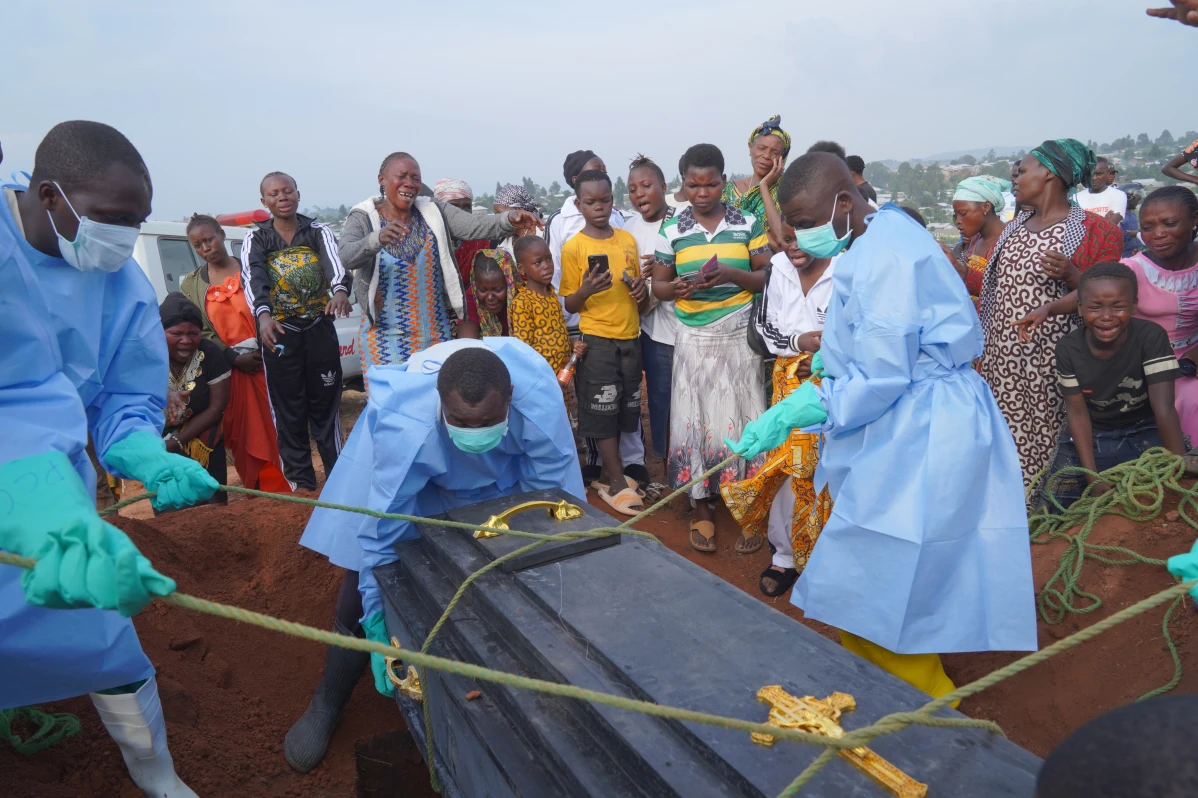
The Ebola outbreak sweeping the Democratic Republic of Congo has killed more than 3,000 people, with health authorities warning that the virus continues to spread faster than containment efforts can keep pace.
The latest figures from Congo’s Ministry of Health show 6,186 confirmed Ebola cases and 3,007 deaths, giving the outbreak a case-fatality rate of about 48.6%. The outbreak, officially declared in May, has now spread across six provinces.
The current epidemic has already become the deadliest Ebola outbreak in Congo’s history, according to the latest reports. The World Health Organization has warned that, if the trajectory continues, it could eventually surpass the devastating West African Ebola epidemic of 2014–2016, which killed around 11,000 people.
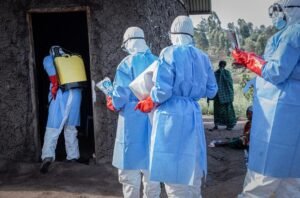
Health officials are struggling to contain the outbreak, particularly in eastern Congo, where armed conflict, population displacement and weak healthcare infrastructure have complicated the response.
The virus has recently expanded into additional health zones in North Kivu, where officials have recorded particularly high fatality rates. The outbreak has also affected Ituri, Haut-Uele, Tshopo, South Kivu and Bas-Uele provinces.
Health workers face additional challenges, including attacks, inadequate resources and delays in receiving salaries. Some medical workers have gone on strike, further disrupting efforts to identify cases, trace contacts and isolate infected people.
The movement of miners and other workers through affected areas has also made contact tracing more difficult.
The current outbreak is being driven by the Bundibugyo species of Ebola, a relatively rare strain for which there is currently no approved vaccine or specific treatment.
Authorities have begun distributing the Ervebo vaccine, which has been effective against the Zaire species of Ebola responsible for previous major outbreaks. Health experts say it may offer some protection against the current strain, but its effectiveness against Bundibugyo Ebola is not established in the same way.
Researchers are working on potential vaccines and treatments, including candidate vaccines under development by research institutions and organisations.
The reopening of schools has added another layer of concern for health authorities and families.
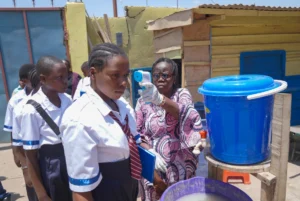
Schools in the outbreak’s epicentre resumed classes this week, with measures including temperature checks, hand sanitiser and Ebola-prevention awareness campaigns. However, some parents and teachers remain worried about transmission, particularly where schools have limited access to clean water and sanitation facilities.
Children, especially those under five, are considered particularly vulnerable to severe disease.
The official figures may not represent the full scale of the outbreak.
The Africa Centres for Disease Control and Prevention has warned that the actual number of infections could be significantly higher than reported because surveillance and contact tracing remain weak in some affected areas.
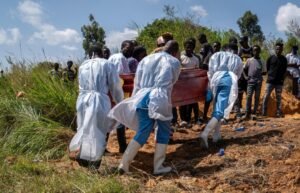
Another worrying statistic is that a large proportion of deaths occur outside Ebola treatment centres, making it harder for authorities to identify infections quickly and prevent further transmission.
With the outbreak expanding geographically and health systems under severe pressure, international health agencies are urging stronger surveillance, faster case detection and greater support for frontline workers.
For Congo, the latest figures represent a major escalation in a health crisis that is already being described as the country’s worst Ebola outbreak on record.