
World News
Oil Prices Extend Losses as Middle East Supply Disruption Fears Ease


Oil prices fell further on, as reports that Saudi Arabia is offering additional crude shipments through Oman eased concerns about a prolonged disruption to Middle East supplies.


Brent crude futures fell by $1.24, or 1.2 per cent, to $104.59 a barrel by 0049 GMT, while US West Texas Intermediate (WTI) crude dropped $1.14, or 1.1 per cent, to $101.29. Both benchmarks had declined by about $3 in the previous session.
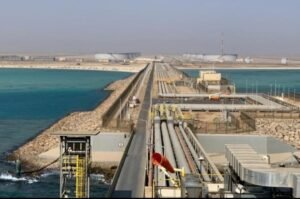
The latest decline followed reports that Saudi Arabia is offering additional crude cargoes to Asian refiners through ship-to-ship transfers off Oman’s Sohar port. The alternative route is helping to offset some of the impact of attacks that damaged Saudi Arabia’s East-West pipeline, which connects the country’s oil-producing areas to the Red Sea export hub of Yanbu.
Hiroyuki Kikukawa, chief strategist at Nissan Securities Investment, said concerns over tight supplies had eased slightly following news of the Saudi shipments through Oman. He also pointed to expectations of progress towards reducing Middle East tensions ahead of a planned US-China summit next week as another factor limiting upward pressure on prices.

Oil prices had climbed to roughly four-month highs earlier this week after crude loadings at Yanbu were suspended and Saudi Arabia cancelled some deliveries to European customers. The disruptions followed attacks on the East-West pipeline, raising concerns that a key supply route could remain impaired for an extended period.
The pipeline remains an important part of Saudi Arabia’s export infrastructure because it provides an alternative route to the Strait of Hormuz. The 1,200-kilometre pipeline has been temporarily shut following attacks, with estimates suggesting it can carry several million barrels of crude per day.
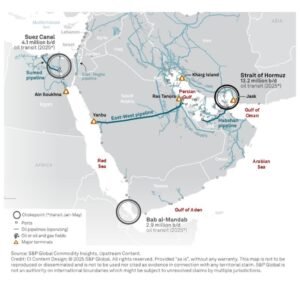
Despite the latest fall in crude prices, supply risks have not disappeared. The Middle East conflict remains active, while attacks involving Saudi Arabia and Yemen’s Houthi forces continue to raise concerns about oil infrastructure and shipping routes.
US inventory data also added some downward pressure to prices. The Energy Information Administration reported that US crude inventories fell by about 640,000 barrels last week, significantly less than the 1.62 million-barrel decline expected by analysts polled by Reuters.

The market therefore remains highly sensitive to developments in the Middle East. While alternative Saudi export arrangements have reduced immediate fears of a severe supply shortfall, analysts continue to monitor the damaged pipeline, shipping through the Strait of Hormuz and the wider conflict for signs of further disruption.