
World News
US Targets ICC: How Sanctions Could Disrupt War Crimes Investigations

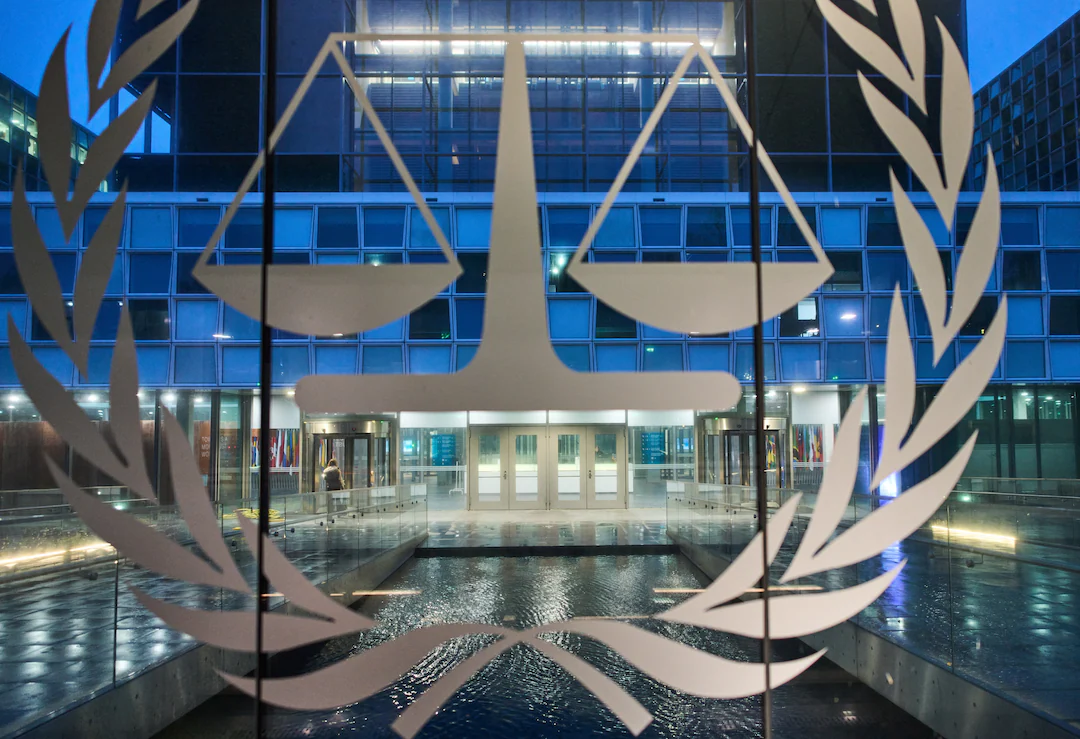
The Trump administration is preparing sweeping sanctions against the International Criminal Court (ICC), escalating a confrontation between Washington and the Hague-based tribunal over its investigations and arrest warrants involving officials from countries that are not members of the court.
The United States has already imposed sanctions on individual ICC judges and prosecutors. The proposed new measures would go further by targeting the court itself and could restrict its access to American financial, technological and other services.
Here is what is known about the planned measures and how they could affect the court.
The Trump administration has accused the ICC of exceeding its authority and threatening US sovereignty.
Washington has particularly objected to the court’s investigations involving American personnel in Afghanistan and its arrest warrants for Israeli officials over alleged crimes connected to the Gaza war.
The United States and Israel are not members of the ICC and reject the court’s jurisdiction in those cases. The US has also argued that the tribunal should not exercise authority over nationals of countries that have not joined the Rome Statute, the treaty that established the ICC.

US Secretary of State Marco Rubio has led efforts to isolate the court and has called for countries to withdraw from it. Washington has already sanctioned more than a dozen ICC officials, including the court’s president, Tomoko Akane, and senior trial lawyer Abdoulaye Seye.
According to Reuters and other reports, the administration is preparing measures that would target the ICC as an institution rather than only individual officials.
The sanctions could generally prohibit US citizens and companies from providing the court with money, goods or services without approval from the US Treasury Department.
Reports indicate that the measures could come with a grace period of several months, giving the court time to reduce its dependence on US-linked companies and services. The exact scope and timing of the sanctions have not been publicly finalised.
The ICC relies on international financial institutions and commercial companies to conduct its daily operations.
If American financial services are cut off, the court could face difficulties making payments, obtaining banking services and dealing with companies that have exposure to the US financial system.
The potential problem extends beyond American companies. Banks and businesses outside the United States may also become more cautious about dealing with the ICC if they fear violating US sanctions or losing access to the American financial system.
The sanctions could also affect the court’s access to information technology, insurance and other commercial services.
The ICC has already begun reducing its reliance on American suppliers. According to AP, the court has moved away from Microsoft products to a German software provider and changed some financial and insurance arrangements in preparation for possible sanctions.
The experience of previously sanctioned ICC officials illustrates the potential impact. Reuters reported that sanctions on individual officials have affected access to US-linked banking and technology services.
The ICC employs about 900 people and depends on investigators, lawyers, analysts, translators and other specialists to build cases involving alleged genocide, war crimes, crimes against humanity and aggression.
If sanctions make it harder to hire investigators, purchase equipment, obtain insurance, transfer money or work with international partners, the court’s investigations could become more difficult and expensive.
ICC officials have previously warned that sanctions against the institution could interfere with routine operations, including hiring investigators and paying staff.
However, the court has taken steps to reduce its vulnerability, including replacing some US-linked suppliers and financial services.
The ICC was established in 2002 under the Rome Statute as a permanent international court for prosecuting individuals accused of genocide, war crimes, crimes against humanity and the crime of aggression.
It is intended to act when national courts are unable or unwilling to genuinely investigate or prosecute serious international crimes. The court currently has 125 member states, while the United States has never joined it.
The court has handled cases involving leaders and senior officials from several countries, making it an important part of the international justice system.
European governments have expressed support for the ICC, while the Netherlands, where the court is based, has been examining ways to keep the institution operating if American sanctions are imposed.
The European Union could potentially use legal measures designed to prevent European companies from complying with certain foreign sanctions. However, officials have acknowledged that protecting an international institution such as the ICC presents legal and practical difficulties.
The Netherlands is also considering measures to ensure that essential functions, including paying staff, protecting witnesses and maintaining the court’s detention facilities, can continue.
The Trump administration has not yet publicly finalised all details of the proposed institution-wide sanctions. Reports indicate that the measures could be announced soon, although their precise timing and scope remain uncertain.
The dispute therefore goes beyond a disagreement between Washington and an international court. If the sanctions are imposed on the ICC as an institution, they could test how effectively a global judicial body can operate when one of the world’s most influential financial and technological powers seeks to restrict its access to American-linked services.
The ICC, meanwhile, has said it will continue its work under the Rome Statute and has urged member states and international partners to support its independence.