
World News
Ghana Says Europe, US Signal Willingness to Engage on Slavery Reparations

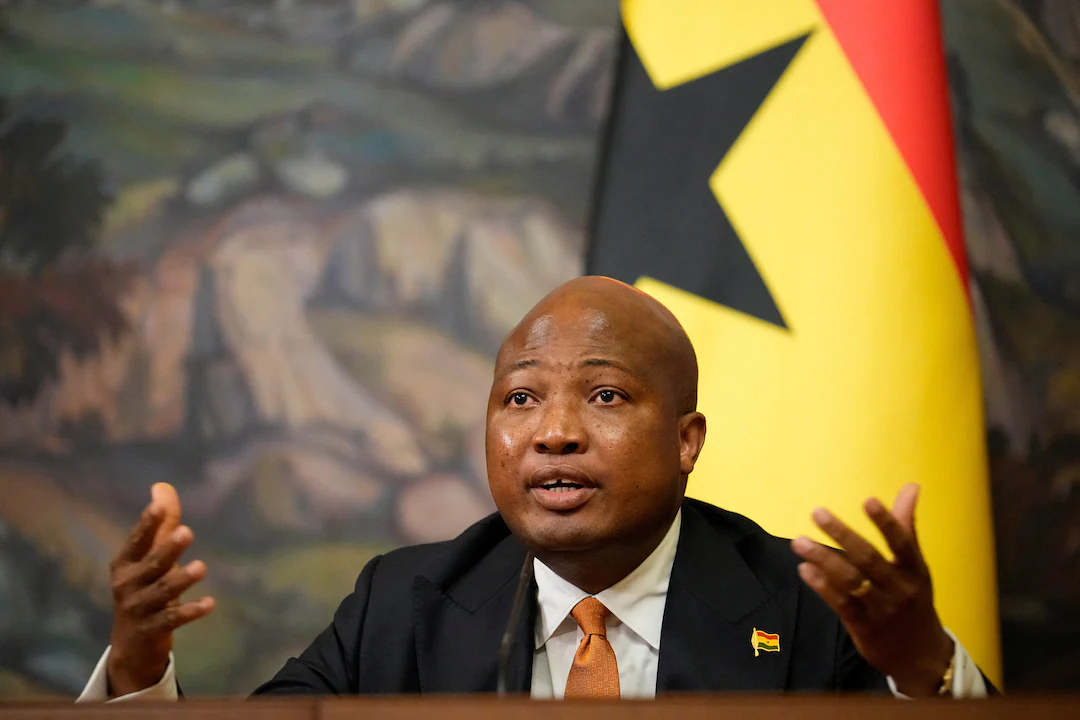
Ghana says it is receiving growing support from Western countries for its campaign seeking reparatory justice for the trans-Atlantic slave trade, with the return of looted African cultural artefacts emerging as an immediate priority.
Ghana’s Foreign Affairs Minister, Samuel Okudzeto Ablakwa, made the disclosure on Wednesday at a high-level event on reparatory justice held on the sidelines of the 81st United Nations General Assembly in New York. The event was co-hosted by Ghana, Germany and France and focused on international cooperation over the restitution of cultural property and heritage.
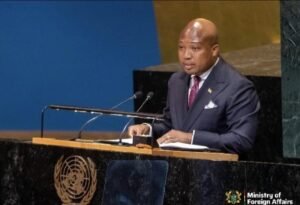
Ablakwa said virtually all European countries that abstained from a March United Nations vote on trans-Atlantic slavery had since contacted Ghana and indicated their willingness to work with the country on its reparatory justice campaign.
He specifically said the United Kingdom and Portugal had offered support, while the United States had also indicated its willingness to work with Ghana despite voting against the UN resolution. He added that France, Germany and the Netherlands had expressed willingness to return cultural artefacts.
“Restitution is very important to this journey,” Ablakwa said, stressing Ghana’s position that African artefacts taken during the colonial era should be returned to the continent.
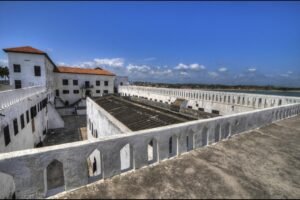
The development follows a UN General Assembly resolution adopted in March that recognised the trans-Atlantic slave trade as “the gravest crime against humanity.” The resolution received 123 votes in favour, while the United States, Israel and Argentina voted against it. Fifty-two countries, including European Union members and the United Kingdom, abstained.
Ghana’s campaign is broader than the restitution of cultural property. A 19-point plan adopted by the African Union and the Caribbean Community Commission on Reparatory Justice includes possible formal apologies, debt relief and financial compensation as later stages of the process.

The campaign has gained additional momentum in recent months. Ghana’s government has also pointed to a United Nations Committee on the Elimination of Racial Discrimination report issued in August as providing further legal backing for calls for reparatory justice over the trafficking and enslavement of Africans.
Historical records cited by the Trans-Atlantic Slave Trade Database estimate that about 12.5 million Africans were enslaved and transported across the Atlantic between the 16th and 19th centuries. They were taken largely to South America, the Caribbean and North America, where they were subjected to forced labour on plantations and in mines. Portugal and Britain accounted for more than 70 per cent of the trans-Atlantic voyages transporting enslaved Africans, according to the database.
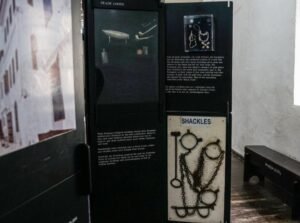
Ghana has positioned itself as a leading voice in the reparations campaign, with President John Dramani Mahama and the country’s foreign ministry pushing for greater international cooperation on restitution, justice and measures addressing the long-term consequences of the slave trade.
However, the growing diplomatic engagement does not mean Western governments have collectively agreed to financial reparations. The current emphasis, according to Ghana’s foreign minister, is particularly on dialogue and the return of cultural property, while financial compensation and other measures remain part of the broader reparatory justice proposal.