
International
Pentagon Creates Office of Religious Affairs Under Pete Hegseth

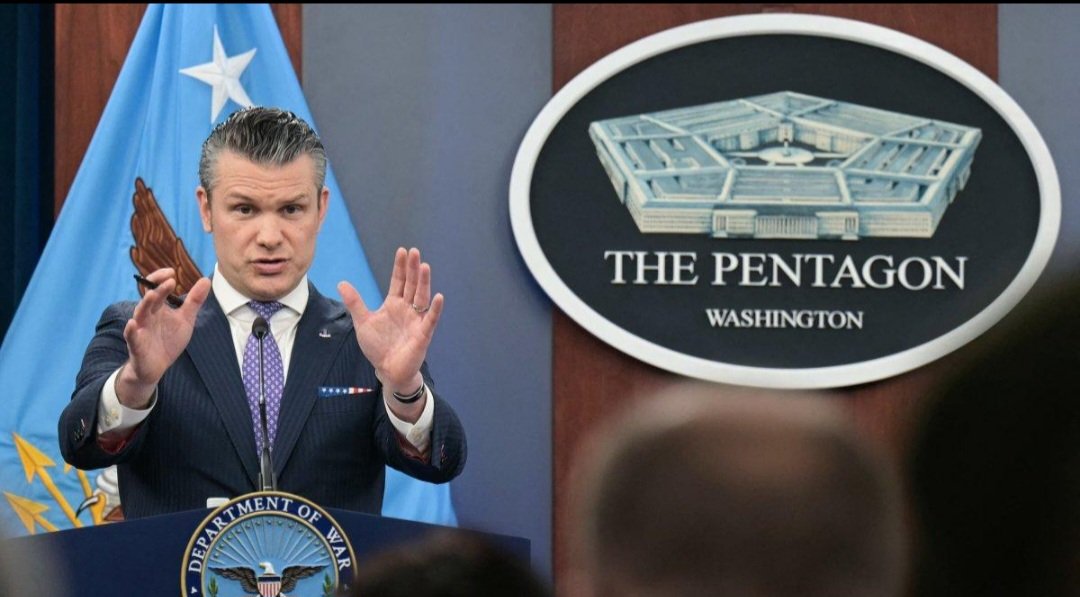
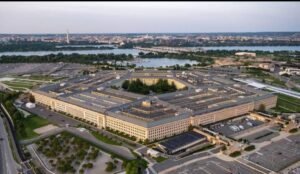
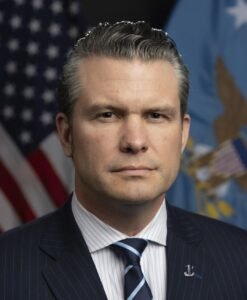
US Defense Secretary Pete Hegseth has created a new Office of Religious Affairs at the Pentagon that will report directly to him, describing the initiative as part of an effort to strengthen the spiritual and religious support available to American service members.
Hegseth announced the office during his State of the Force address at Marine Corps Base Quantico in Virginia on September 30. He said the new office would provide “first-class religious support” and give military chaplains a direct advocate at the highest levels of the Defense Department.
According to the Pentagon’s plan, the Office of Religious Affairs will advocate for chaplains, help secure resources for religious programmes and faith-based initiatives, coordinate policies on religious affairs and oversee research and analytical tools relating to spiritual fitness, readiness and resilience.
The office will also represent the defense secretary on religious-affairs matters involving Congress, religious organisations and other government departments. The director, who had not been publicly named as of the latest reports, will serve as the principal adviser to Hegseth and Deputy Defense Secretary on religious affairs.
Hegseth has argued that religion has not received sufficient attention within the military and criticised what he described as an earlier emphasis on “political correctness and secular humanism.”
“The people who actually practice faith and religion, our chaplains, were buried echelons deep, waiting for permission,” Hegseth said while announcing the initiative. He said the new structure would give chaplains greater access to senior Pentagon leadership.
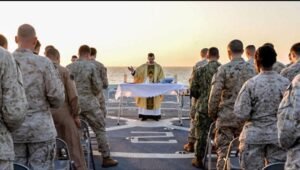
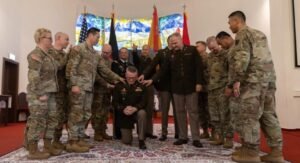
The secretary also used explicitly Christian language during the announcement, saying the department was “putting on the full armor of God” and describing the military’s spiritual battle alongside its physical mission. Hegseth has frequently incorporated his evangelical Christian beliefs into his public remarks since becoming defense secretary.
The Pentagon, however, says the new office will not compel religious participation, favour one faith over another or diminish the rights of personnel who follow another religion or have no religious belief.
The initiative has nevertheless generated criticism from religious-liberty organisations and some observers of military chaplaincy. Americans United for Separation of Church and State, which has previously challenged Pentagon worship services, argued that the new arrangement could give Christianity a greater role in military policy.
Other religious leaders have welcomed the move. The Catholic military archdiocese said it appreciated the creation of the office, particularly Hegseth’s stated intention to give chaplains greater access to the secretary and reduce bureaucratic obstacles affecting religious support.
The new office comes amid wider changes to religious policy at the Pentagon under Hegseth. The Defense Department has reduced the number of officially recognised religious affiliations in its personnel system from more than 200 to 31. Reports have noted that the revised list excludes some groups, including atheists, Wiccans and Unitarian Universalists, prompting criticism from advocates for religious freedom.
Hegseth has also ordered changes involving military chaplains, including replacing their traditional rank insignia with religious symbols. The administration has presented the broader changes as an effort to place greater emphasis on religious support and spiritual wellbeing within the armed forces.
The Office of Religious Affairs is expected to begin its organisational work immediately. Within 60 days of the September 30 memorandum, it is expected to submit an initial baseline budget and staffing requirements for the 2027 fiscal year. Within 90 days, Pentagon officials are expected to incorporate the office into the department’s organisational structure and identify the personnel needed to establish it.

The creation of the office marks a significant expansion of the Pentagon’s formal focus on religious affairs and is likely to keep questions about religious freedom, military chaplaincy and the role of faith in the US armed forces at the centre of debate over Hegseth’s broader reforms.