
Health
Florida Dengue Cases Hit 252 as Outbreak Reaches Historic Level

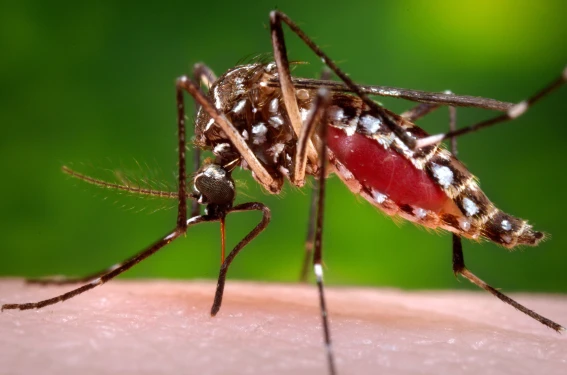
Florida is experiencing what appears to be the largest dengue outbreak in several decades in the continental United States, with 252 locally acquired cases recorded so far this year.
The latest figures from the Florida Department of Health show that 62 new locally acquired cases were reported during the week ending September 26, taking the state’s 2026 total to 252. The overwhelming majority have been recorded in Hillsborough County, home to Tampa.

The total has surpassed Florida’s previous annual high of 199 locally acquired cases, recorded in 2023. Available state health department records and medical literature indicate that the current outbreak could represent the highest number of locally acquired dengue cases recorded by a continental U.S. state in a calendar year since at least the 1940s.
Federal health officials caution that national dengue surveillance has limitations, including reporting delays and under-reporting. Nevertheless, the available data places Florida’s current outbreak at an unusually high level.
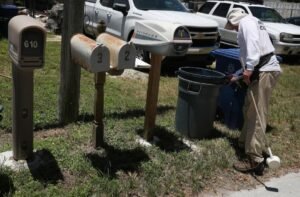
The outbreak is concentrated around the Tampa area, where Hillsborough County has declared a local emergency. Neighbouring Pasco and Pinellas counties have also declared emergencies as authorities work to prevent the virus from spreading further. Mosquito-control crews have increased aerial and ground spraying and are inspecting properties for places where mosquitoes can breed.
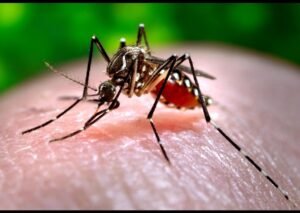
Dengue is a viral infection transmitted mainly by infected Aedes aegypti mosquitoes. Many people infected with the virus develop no symptoms, but others can experience high fever, severe headaches, pain behind the eyes, muscle and joint pain, nausea and vomiting. Severe dengue can cause bleeding, shock, organ failure and death.
Florida has recorded one dengue-related death this year. The victim was an elderly woman in the Tampa area who died on September 4.
The outbreak is notable because locally acquired infections have now exceeded travel-associated cases in Florida. As of the latest reporting period, the state had recorded 252 locally acquired cases compared with 245 associated with travel. Health experts say Florida’s large number of international and Caribbean travellers can contribute to the introduction of dengue into communities where disease-carrying mosquitoes are established.

The current outbreak is also approaching the largest dengue outbreak previously recorded in a U.S. state in recent decades. Hawaii reported 264 locally acquired cases during an outbreak that lasted six months in 2015 and 2016. Florida’s current tally of 252 is close to that figure, although the circumstances and reporting periods are different.
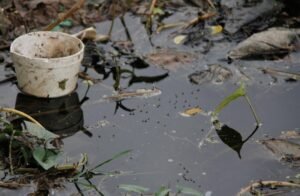
Health authorities have urged residents in affected areas to protect themselves from mosquito bites by using EPA-registered insect repellents, wearing long-sleeved clothing and long trousers, keeping homes screened or air-conditioned where possible, and removing standing water from containers, tyres, gutters and other areas around homes.

The precautions are particularly important because the mosquitoes that transmit dengue can bite during the day as well as around dawn and dusk. Removing standing water is also important because even small containers can provide breeding sites.
Florida officials have intensified mosquito surveillance and treatment, while Hillsborough County has been conducting aerial operations in parts of Tampa and surrounding communities.
The Centers for Disease Control and Prevention has provided financial assistance to Florida but has not sent investigators to the state. The CDC says state and local surveillance figures are provisional and may be affected by delays or under-reporting.
With cases continuing to be reported and mosquito-control operations ongoing, public health authorities are closely monitoring the outbreak as Florida confronts an unusually large resurgence of locally transmitted dengue.