
International
China Jails Kindergarten Owner for Life After 247 Children Suffer Lead Poisoning

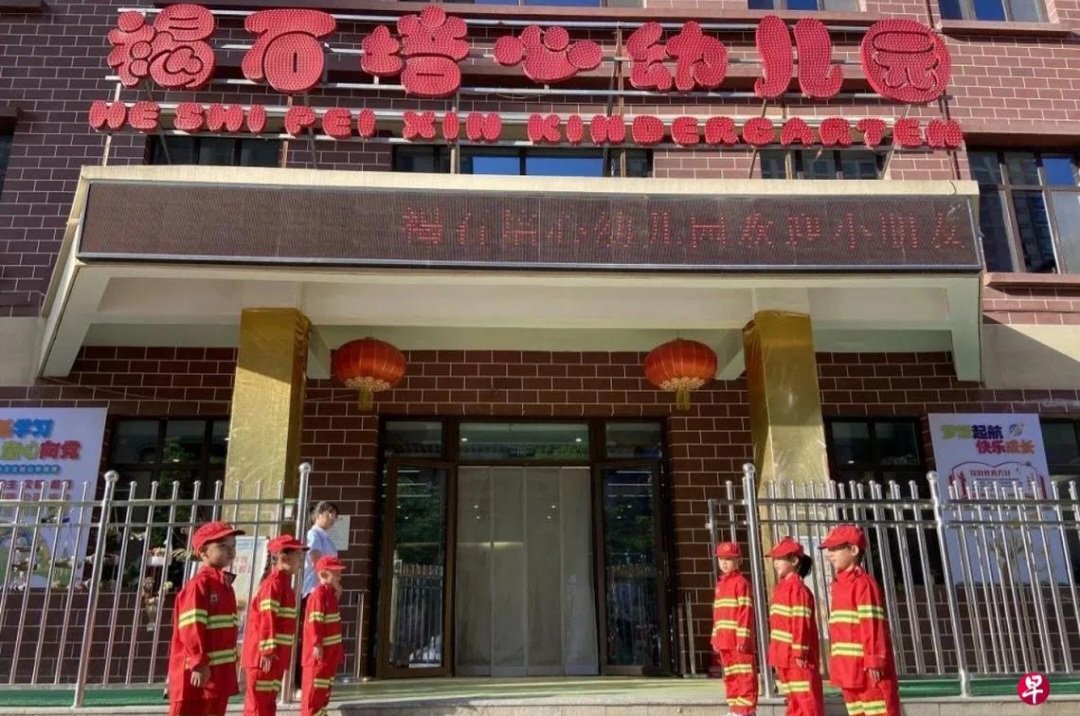
A kindergarten operator in north-western China has been sentenced to life imprisonment after toxic lead-containing pigments were added to food served to children, in a case that left 247 pupils with abnormally high levels of lead in their blood.
Li Huifang, who operated Heshi Peixin Kindergarten in Tianshui, Gansu Province, received the sentence on Friday, October 16, after the Lanzhou Intermediate People’s Court convicted her of producing and selling toxic and harmful food, according to reports by Chinese state media cited by the Associated Press.
The court also ordered the confiscation of 500,000 yuan, approximately $75,000, in Li’s personal assets.
The kindergarten’s executive principal, Zhu Jinglin, was sentenced to 15 years in prison and fined 300,000 yuan. Four kitchen workers received prison terms ranging from six to eight years for their roles in preparing the contaminated meals.
According to the court’s findings, Li and Zhu instructed kitchen staff to add toxic substances, including lead-containing pigments intended for non-food use, to meals served to children and employees. The pigments were reportedly used to make food look brighter and more attractive.

The scandal emerged in July 2025 after parents raised concerns about children’s health. Subsequent testing found that 247 of the kindergarten’s 251 pupils had abnormally high blood lead levels. More than 20 staff members were also reported to have elevated levels.
Investigators found excessive lead concentrations in food samples, including coloured date cakes and corn-roll sausage products. Reports on the investigation said some samples contained lead levels thousands of times above China’s permitted food-safety limit.
The case raised serious concerns about food safety and the protection of children in educational institutions. Lead exposure can damage the brain and nervous system, particularly in young children, potentially affecting their development, learning and behaviour.
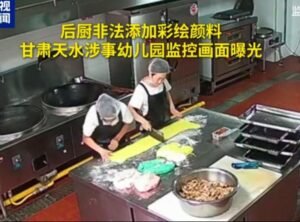
Chinese authorities launched investigations following the discovery, while affected children received medical treatment or nutritional interventions. The incident also prompted scrutiny of the handling of health tests and oversight at the kindergarten.
The five other defendants’ sentences reflect the court’s findings that the contamination involved both management and kitchen staff. The ruling has drawn attention to the dangers of deliberately introducing non-edible substances into food intended for young children.
The case adds to wider concerns over food safety enforcement and accountability in China, where authorities have faced pressure to strengthen supervision of food production and protect vulnerable consumers.

The life sentence imposed on Li is among the most severe penalties in the case, while the prison terms handed to the principal and kitchen workers underline the court’s determination to punish those it found responsible for exposing children to toxic substances.