
International
Serbia Celebrates as Vučić Concedes Defeat to Student-Led Opposition

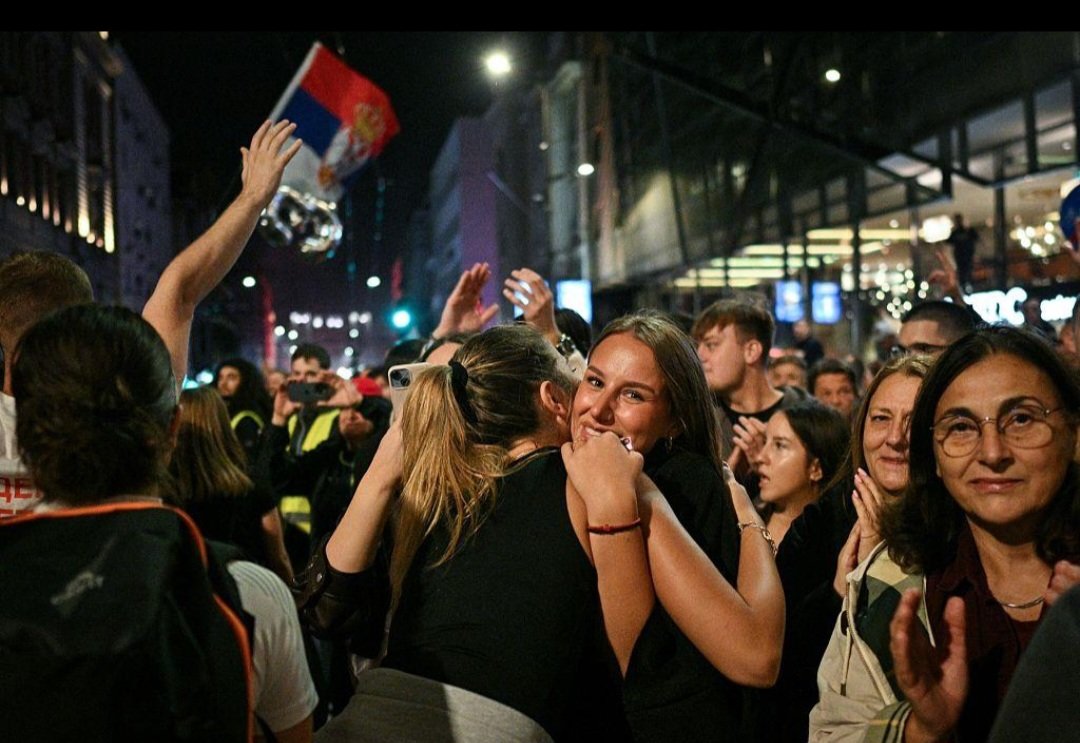
Celebrations have erupted across Serbia after veteran political leader Aleksandar Vučić conceded defeat in the country’s parliamentary election, with a student-led opposition movement projected to secure a majority and end more than a decade of dominance by his political party.
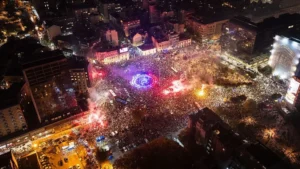
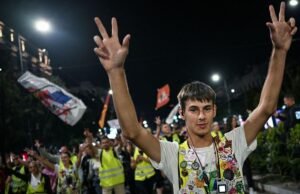
Crowds gathered in Belgrade and other Serbian cities late on Sunday, October 25, waving national flags, setting off fireworks and chanting in celebration after Vučić acknowledged that his Serbian Progressive Party had lost the snap election.
The opposition group, known as the Students’ List, is projected to win between 135 and 140 seats in Serbia’s 250-member parliament, according to preliminary figures announced by Vučić. His party is expected to secure approximately 105 seats.
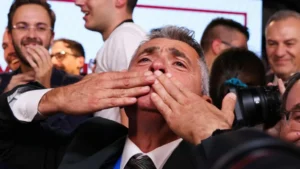
“It is clear that we have lost these elections,” Vučić told supporters at his party’s headquarters in Belgrade, conceding the result while noting that final official figures were not yet available.
The outcome represents a major political shift in the Balkan country, where Vučić and his party have dominated national politics for more than a decade. Having served as president since 2017, he resigned in September to lead his party’s campaign, hoping to return to the position of prime minister.

The election followed nearly two years of student-led protests against alleged corruption, government accountability failures and what demonstrators described as the weakening of democratic institutions.
The demonstrations began after a concrete canopy collapsed at a railway station in Novi Sad in November 2024, killing 16 people. The disaster triggered public anger over the station’s renovation and allegations of corruption and negligence in the project.
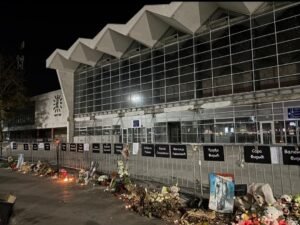
Students subsequently organised nationwide demonstrations and university blockades, demanding accountability for the tragedy and broader reforms. Their movement gradually attracted support from academics, professionals, opposition voters and other sections of Serbian society.
Rather than presenting itself as a conventional political party centred on a single leader, the Students’ List assembled candidates from different professional backgrounds, including doctors, academics, artists and other public figures.
The movement’s campaign focused on tackling corruption, strengthening democratic institutions and ensuring that public officials are held accountable.
Following Vučić’s concession, supporters gathered outside the Serbian parliament and at the movement’s headquarters, where they hugged, cried and chanted slogans celebrating the projected victory.
In Novi Sad, the city where the protests began, thousands also took to the streets to mark the result. Some demonstrators described the election as an opportunity for Serbia to pursue political change after years of sustained protests.
The high turnout reflected the significance of the contest. Preliminary reports suggested participation could approach 70 per cent, potentially making it one of the country’s most heavily attended elections in decades.
Despite conceding defeat, Vučić blamed independent media coverage and alleged foreign interference for his party’s loss. He did not immediately provide evidence to substantiate those allegations.
The election outcome also carries potential implications for Serbia’s foreign relations. Vučić has maintained close ties with Russia while pursuing Serbia’s stated ambition of joining the European Union, a balancing act that has shaped the country’s diplomatic position.

The student movement’s victory could bring renewed attention to Serbia’s relations with the EU, Russia and other international partners, although its precise foreign policy direction will depend on the programme adopted by the incoming parliamentary majority.
The projected result marks a significant achievement for a movement that emerged from street protests rather than an established political organisation. However, the challenge now will be translating its campaign promises into government policy and delivering the institutional reforms demanded by demonstrators.
With final results still pending in the initial reports, Serbia faces the next stage of a political transition that has been driven by sustained public mobilisation and demands for accountability.