
International
Serbian Broadcaster Admits Failure to Challenge Power After Vučić’s Party Loses Election

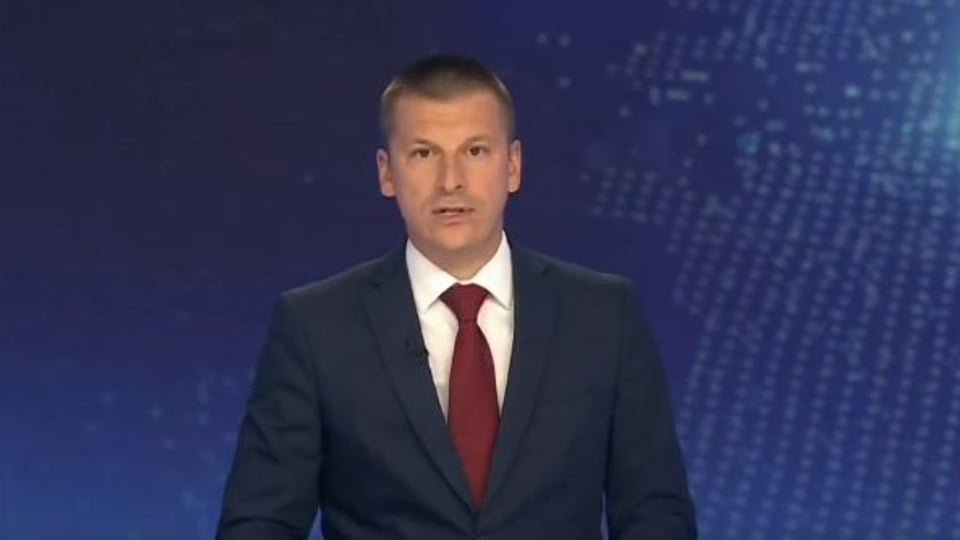
Staff members at Serbia’s regional public broadcaster Radio Television of Vojvodina (RTV) have apologised to viewers for years of one-sided and uncritical reporting, following the defeat of the ruling political camp associated with former President Aleksandar Vučić in the country’s parliamentary election.
The apology was delivered on air on Monday, October 26, by presenter Goran Eror, who acknowledged that the broadcaster had failed to fulfil its public-service responsibilities by remaining silent on important issues, overlooking problems and failing to ask critical questions.

“For many years, the public broadcaster failed to fulfil its role,” Eror said while reading a statement. “It remained silent, turned a blind eye, provided one-sided information, reported uncritically, failed to ask the right questions, or asked no questions at all.”
He said the employees owed viewers an apology, adding that some journalists and editors had fought for greater professional freedom but had failed to achieve the change in time.

The statement reflected the position of some RTV employees rather than a formal apology from Serbia’s entire public broadcasting system. The development came amid mounting pressure on state media institutions over allegations that their coverage had favoured the authorities during Vučić’s years in power.
Serbia’s snap parliamentary election on October 25 saw the student-led Student List movement defeat the political camp associated with Vučić, according to preliminary results. The movement emerged from widespread protests that began after a railway station canopy collapsed in Novi Sad in November 2024, killing 16 people.

The tragedy triggered demonstrations over alleged corruption, government accountability and institutional failures. Students and opposition groups subsequently accused public broadcasters of giving disproportionate attention to government representatives while marginalising protesters and presenting their demands negatively.
The apology followed criticism of RTV’s coverage of celebrations after the election result. The broadcaster’s statement acknowledged that viewers had not been shown important events and that the shortcomings reflected broader problems with editorial independence.
Changes also followed within the organisation. Reports said Nenad Čačić, acting editor-in-chief of RTV’s main television channel, resigned after the apology, as pressure mounted for changes in editorial leadership.
Meanwhile, the student-led movement called for the resignation of senior management at the national broadcaster, Radio Television of Serbia (RTS), accusing it of selective reporting and failing to scrutinise government officials adequately. The demands were directed at RTS leadership, which had not publicly responded to the latest call at the time of reporting.
Media freedom has been a major issue in Serbia, where journalists and press-freedom organisations have raised concerns about political pressure, attacks on independent media and unequal access to national television during election campaigns.

Election monitor CRTA reported that government representatives received about three-quarters of politicians’ airtime on national television, while the Student List was portrayed negatively in more than 80 per cent of the coverage in which it appeared.
The developments have placed public broadcasting under renewed scrutiny as Serbia prepares for a political transition. The election result has raised expectations among protesters and media-freedom advocates for greater editorial independence, stronger accountability and more balanced reporting.
The apology has also drawn comparisons with a similar reckoning in Hungary, where public television apologised for years of misleading coverage after the defeat of former prime minister Viktor Orbán’s government earlier in 2026.
For Serbian journalists who have long criticised political influence over public media, the statement represents a public acknowledgement of failures. Whether it leads to lasting changes in newsroom independence and editorial practice remains to be seen.